- Bedrooms: 4
- Bathrooms: 4
- Size: 371.98 m²
- Price: €15,713,523
The property
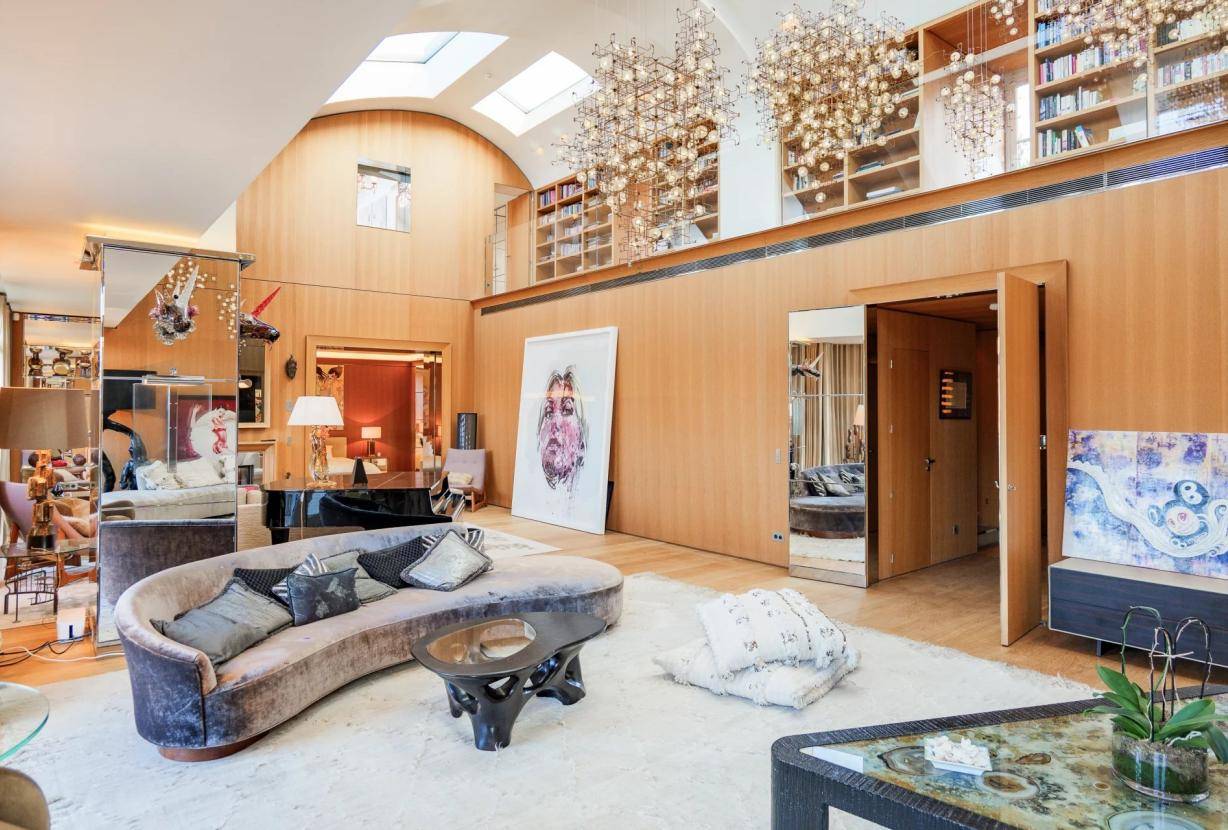
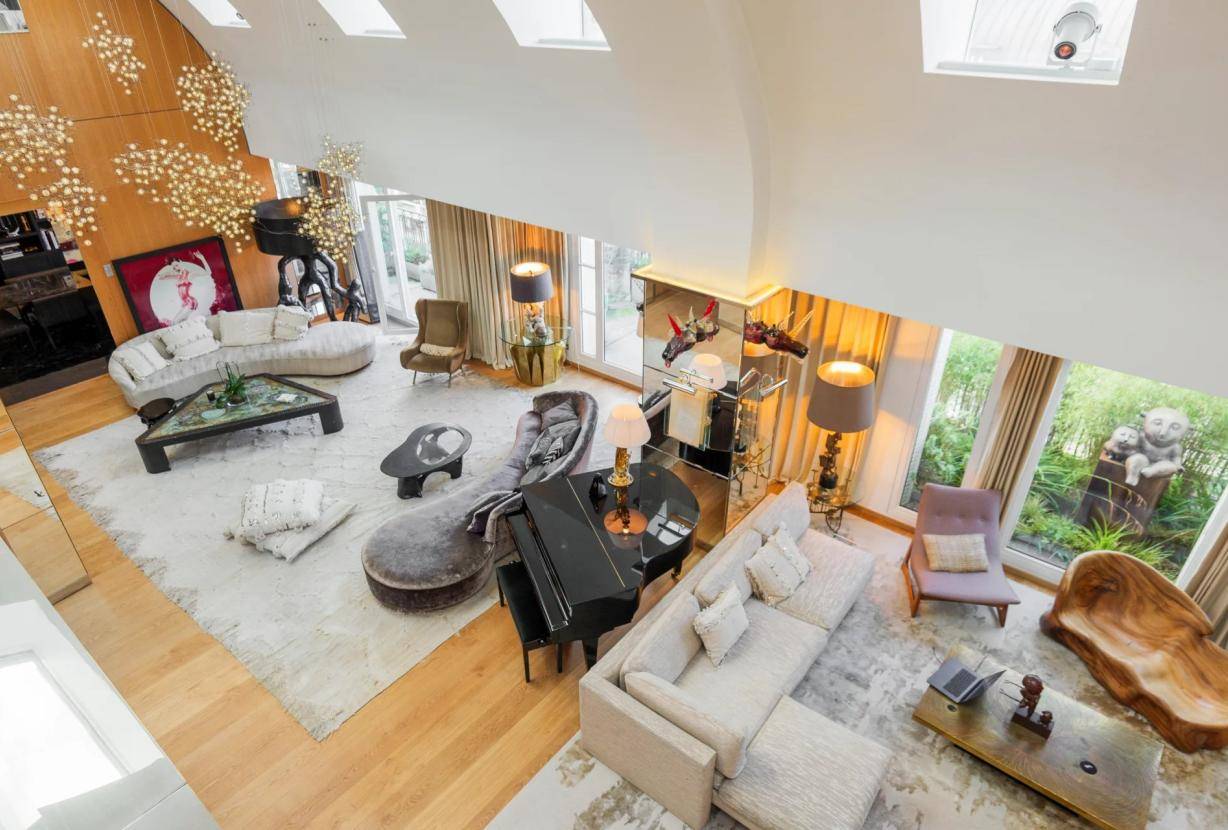
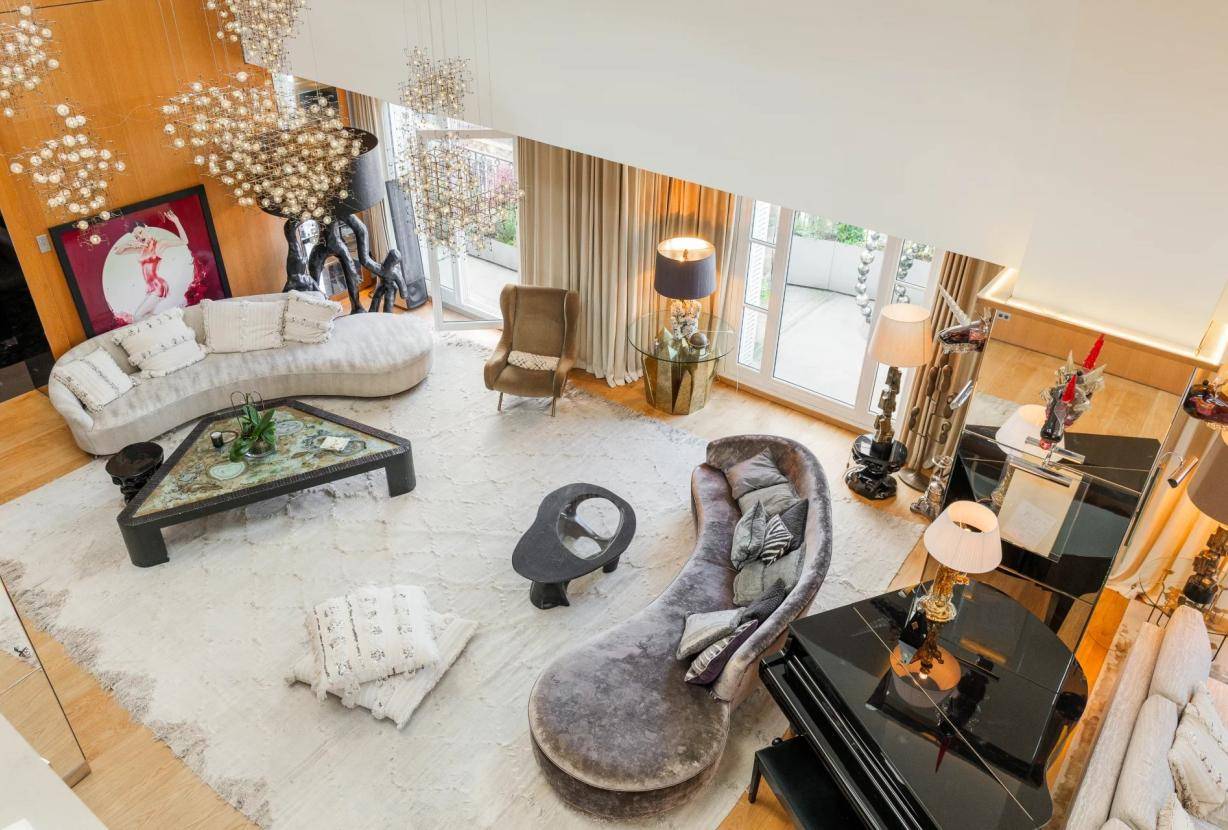
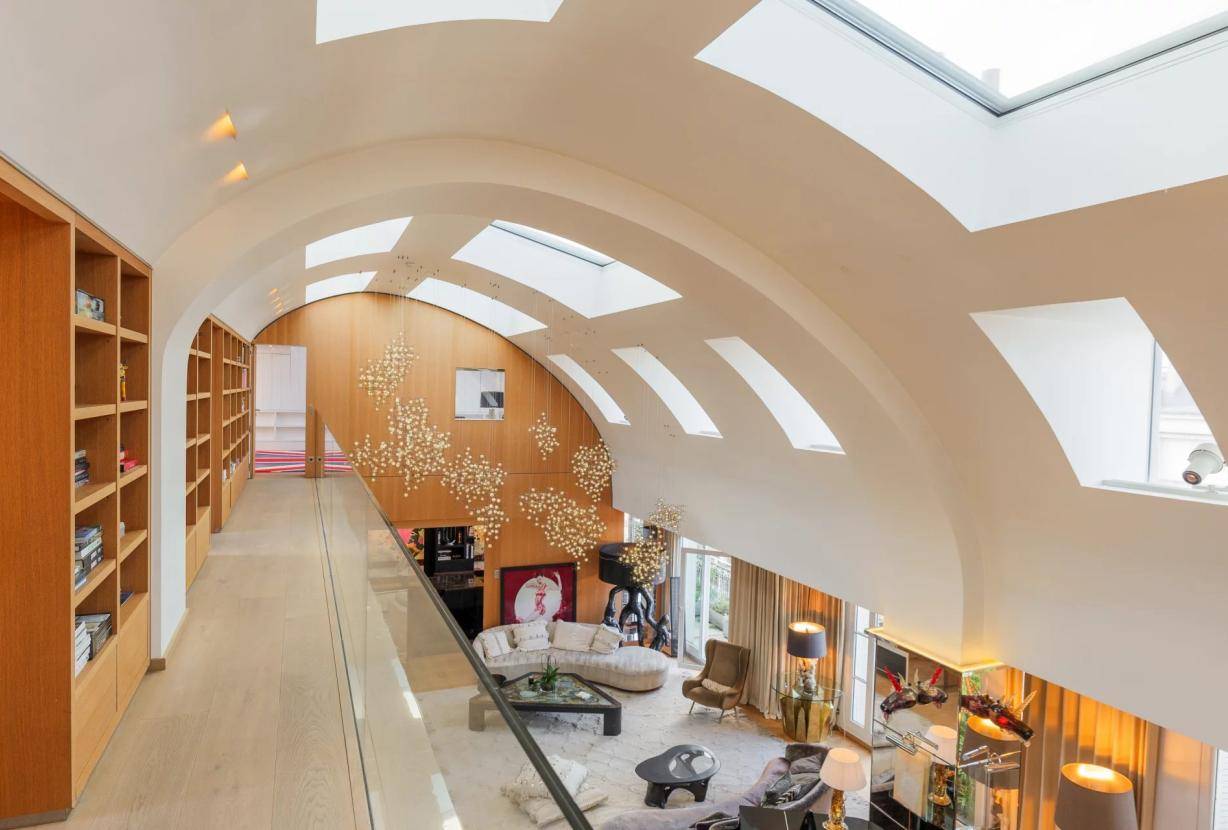
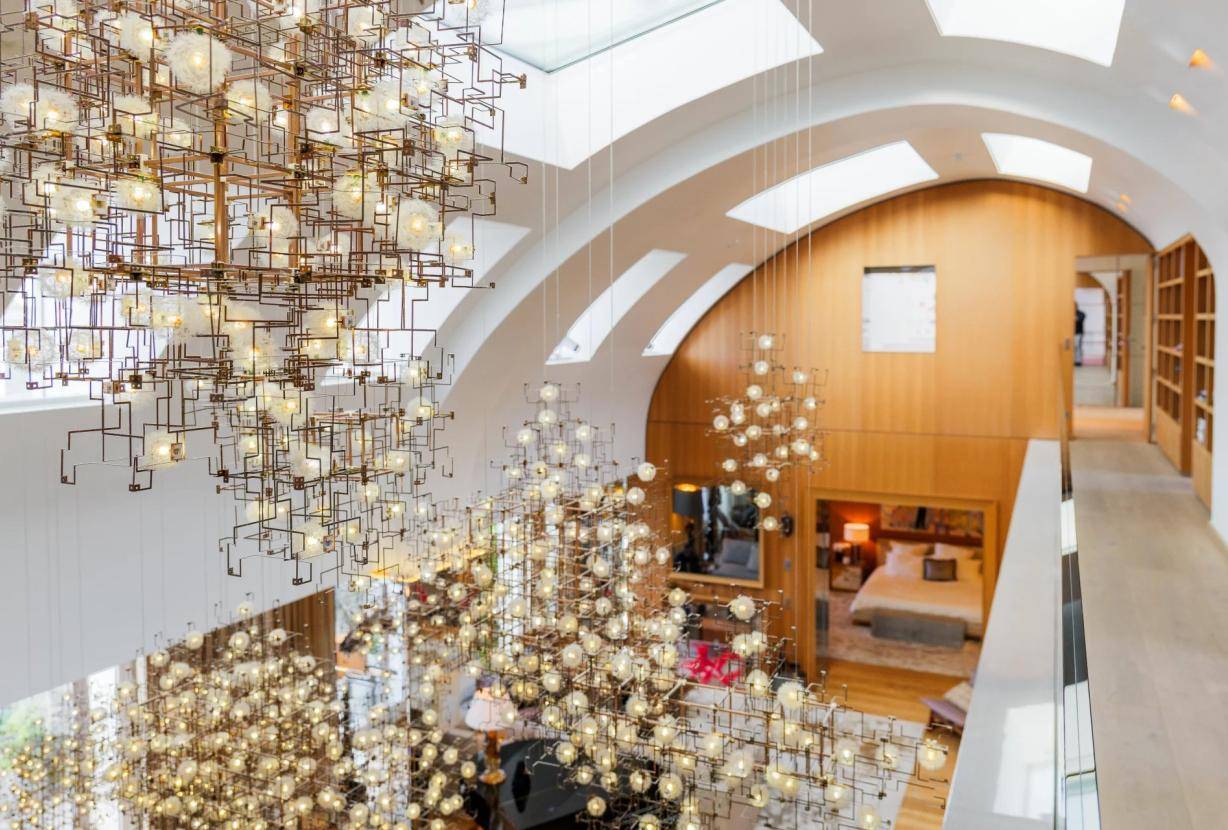
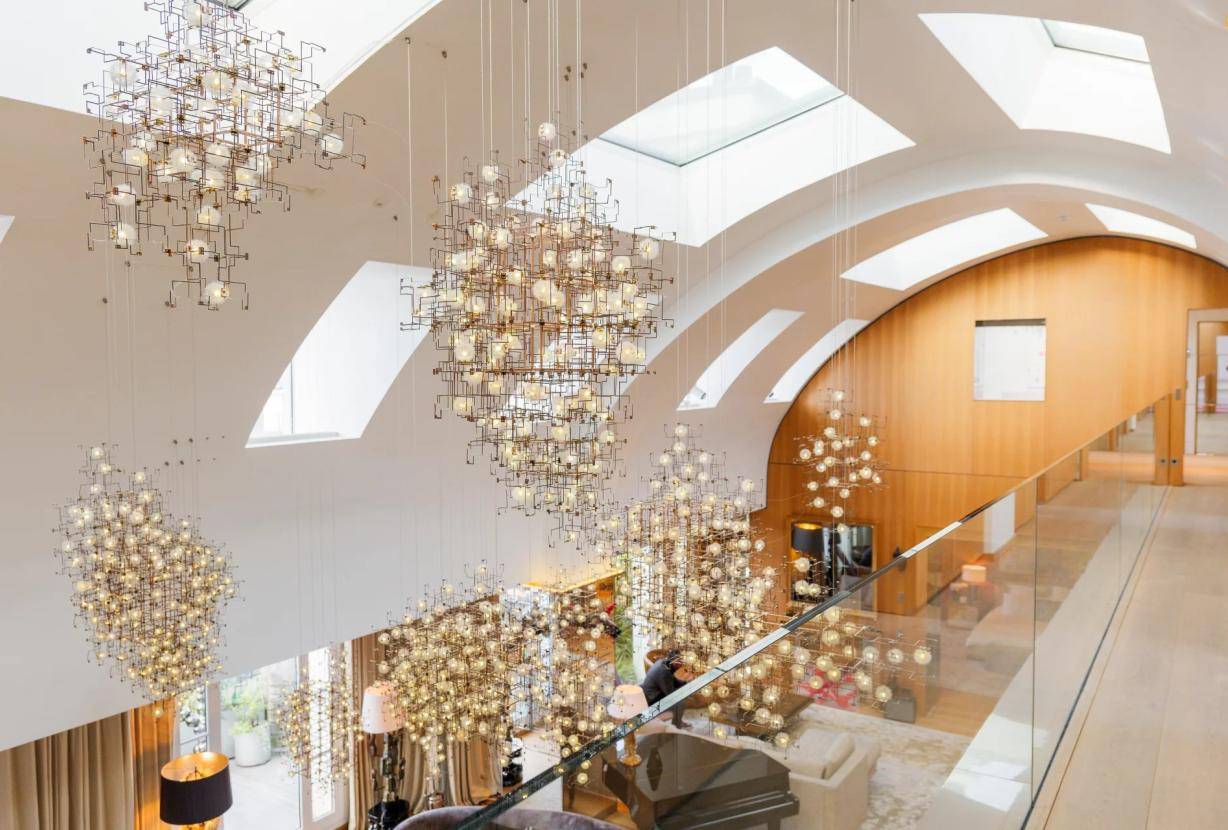
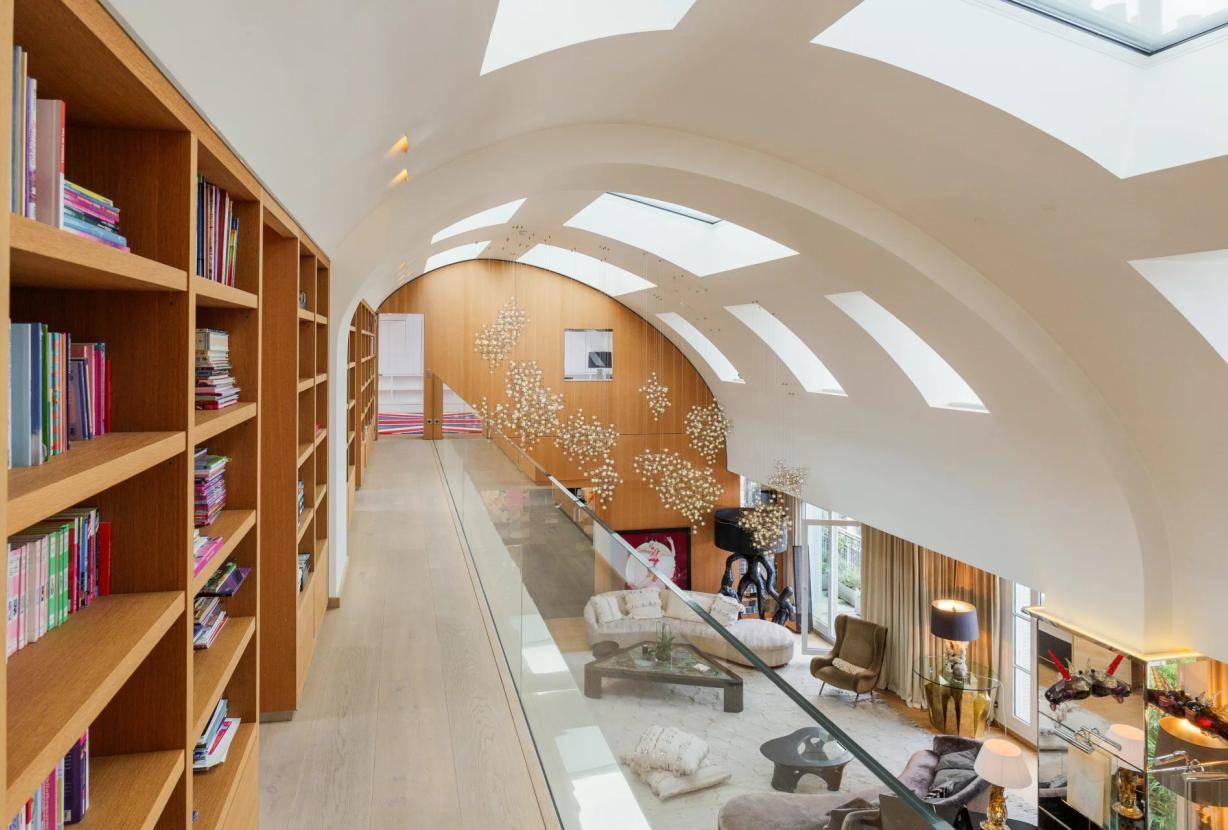
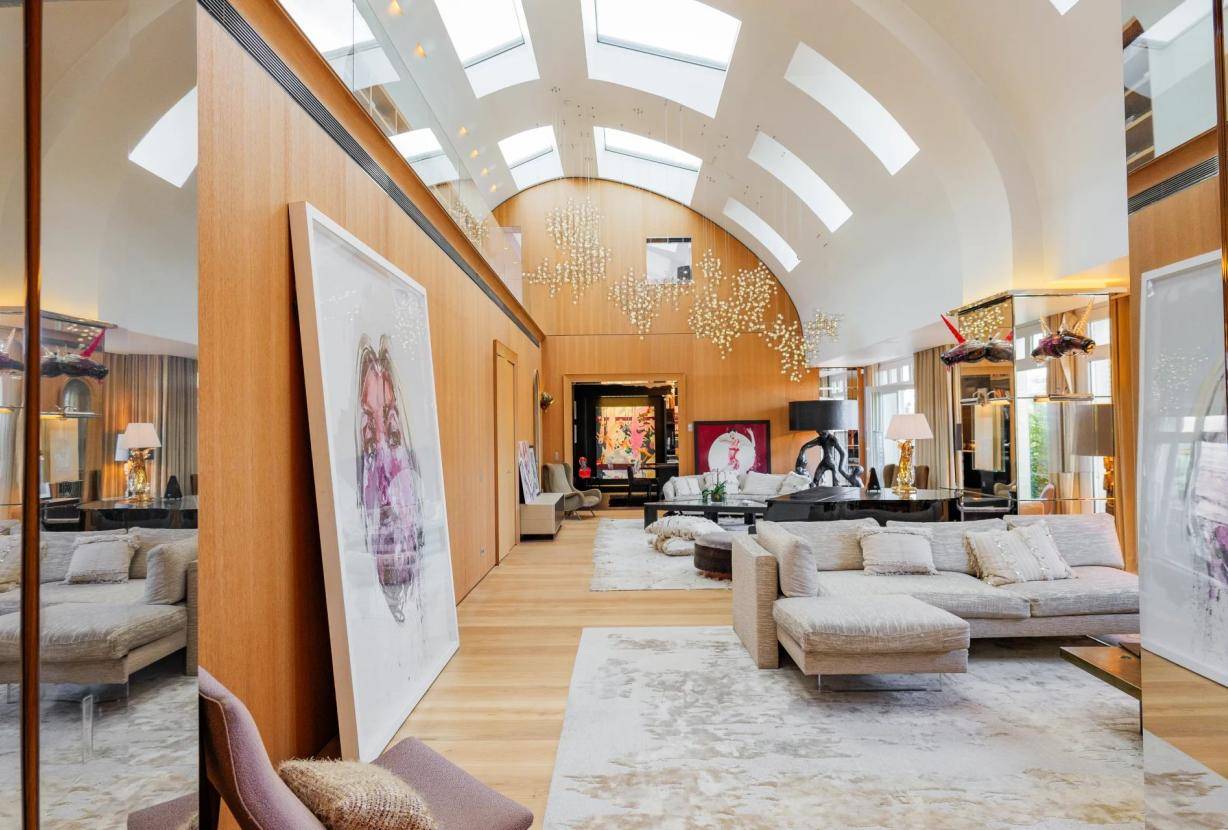
A truly singular offering in the heart of Paris, this exclusive penthouse is the only private residence within the iconic Royal Monceau, one of the city's thirteen official Palace hotels. Combining absolute privacy with five-star hospitality, the residence offers a level of prestige rarely found on the global market. With approximately 372 m² of internal space, plus 70 m² of private terraces (totaling approximately 432 m²), this exceptional home offers ample proportions and refined elegance in every room.
The terraces provide a rare outdoor space in central Paris, ideal for entertaining guests or for a peaceful retreat. The interior is impeccably designed and features four suites, each finished to the highest standards. The master suite, measuring approximately 140 m², includes an extensive dressing area and a luxurious bathroom, creating a private sanctuary within the residence. The property includes exclusive access to the full Royal Monceau experience, including its renowned spa, indoor pool, gym, bars, restaurants, and discreet five-star security.
Residents benefit from hotel-level services while maintaining the comfort and independence of a private home. The penthouse has previously been selected as a residence for distinguished international guests, reinforcing its rarity and prestige. Culinary offerings within the palace include Matsuhisa Paris by Nobu and Il Carpaccio, recognized in 2024 as the best Italian restaurant in the world, placing world-class gastronomy just steps from your door.
This penthouse represents a once-in-a-generation opportunity to acquire an irreplaceable residence that defines the pinnacle of Parisian luxury.
Honest analysis
Positive points
It is an ultra-prime asset, literally at the top of the Parisian luxury curve, with excellent product and storytelling, but with very restricted liquidity and an extremely niche buyer.
This is a truly singular offering in the heart of Paris: an exclusive penthouse that is the only private residence within the iconic Royal Monceau, one of the city's thirteen official Palace hotels. It combines absolute intimacy with five-star hospitality, offering a level of prestige rarely found in the global market. With about 372 m² of interior space, plus 70 m² of private terraces (approximate total of 432 m²), the property features ample proportions and refined elegance in all environments. The outdoor areas provide a rare open-air space in the center of Paris, ideal both for receiving guests and for serving as a peaceful refuge. The interior is impeccably designed and has four suites, each finished according to very high standards. The master suite, of approximately 140 m², includes a large walk-in closet and a luxurious bathroom, configuring a true private sanctuary within the residence.
The penthouse also offers exclusive access to the full Royal Monceau experience: renowned spa, indoor pool, gym, bars, restaurants, and discreet five-star standard security. Residents enjoy luxury hotel-level services but preserve the comfort and independence of a private home. The property has already been selected as a residence for high-profile international guests, which reinforces its rarity and prestige. The palace's gastronomic offerings include Matsuhisa Paris by Nobu and Il Carpaccio, recognized in 2024 as the best Italian restaurant in the world, placing world-class gastronomy literally steps from the residence's door. In short, this penthouse represents a once-in-a-generation opportunity to acquire an irremediably scarce residence that defines the pinnacle of Parisian luxury.
From a physical point of view, the product is extremely solid: generous internal area, plus 70 m² of truly usable terraces, something very rare in intra-muros Paris and even more so within a Palace hotel. The layout with four suites, including a master of exceptional proportions with a large closet and spa-bathroom, resonates well with the profile of ultra-high-net-worth individuals seeking a base in Paris for medium stays, with maximum comfort and the feeling of a "suspended house." The terraces function not only as an aesthetic differentiator but as real space for entertaining, organizing private events, and reinforcing the perception of exclusivity.
The context of the Royal Monceau is one of the great pillars of the thesis: the hotel is situated in a prime location (8th arrondissement, Parc Monceau–Étoile axis), is officially classified as a Palace, and has a consolidated image with high-income international clientele. The association of the residence with the Raffles brand and the artistic and gastronomic curation of the Royal Monceau creates a very strong "branded residence" effect, difficult to replicate in new projects because of urbanistic and regulatory restrictions and the very scarcity of buildings with this pedigree in Paris. Direct access to the spa, indoor pool, high-standard gym, bars, starred restaurants, and ultra-discreet security places the property on a level where the resident practically integrates into the hotel's ecosystem, with concierge, housekeeping, and room service at their disposal, but with complete privacy and autonomy.
In the market, the asking price of around 15.7 million euros positions the asset in the city's super-prime bracket. Considering the internal area and attributing relevant value to the balconies, the price per square meter is well above conventional luxury apartments in the 8th arrondissement, which are already expensive, but here there is a clear premium for uniqueness: it is the only private residence in the Royal Monceau, with full access to the Palace's infrastructure and services. This type of asset is, in practice, more of a "collector's piece" than a traditional investment oriented toward cash flow. The typical buyer is not chasing yield, but rather capital preservation in euros, geographical diversification, personal status, and intensive use benefits.
The main value drivers are structural scarcity, brand and services, and global demand. Scarcity comes from the fact that it is an asset that will hardly be replicated: it is a private residence within an already consolidated Palace, in an area where the built stock is practically fixed. The brand and services reinforce the location: living there is having a complete package of wellness, gastronomy, and luxury hospitality incorporated into daily life. Global demand comes from UHNWIs who already own properties in other locations – London, Dubai, Miami, São Paulo – and want a "statement asset" in Paris: something that communicates status, refined taste, and allows for entertaining with maximum discretion.
The risks
On the other hand, there are clear risks. Firstly, country/city risk: France experiences recurring cycles of debate regarding the taxation of large fortunes, and there may be political instability that leads some large estates to redirect investments to other friendlier jurisdictions. This can affect the liquidity of the ultra-luxury segment in specific horizons. Secondly, liquidity is naturally low: tickets above 14–15 million euros reach a very restricted universe of buyers; it is not uncommon for a sales cycle of this order to take one to three years, depending on the macro moment and interest rates. Thirdly, there is a direct dependence on the performance and reputation of the hotel: any deterioration of the brand, negative change in management, high-impact construction work, or misaligned repositioning can immediately impact the perceived value of the residence.
In financial terms, it is an asset more suitable for capital preservation than for income generation. Annual condominium costs, hotel services, maintenance, and taxes will likely be high, easily a few percentage points of the property value per year. The typical buyer profile is all-cash, precisely to avoid the additional cost of financing an asset whose direct financial return is modest. In a reasonable base scenario, moderate real appreciation is projected in the long term, provided Paris maintains its prime market position and the Royal Monceau preserves or strengthens its reputation. In an optimistic scenario – political normalization, lower global interest rates, and reinforcement of Paris's role as a safe haven for the eurozone – this type of trophy asset can capture more interesting appreciation. In an adverse scenario – continued instability and a greater exit of UHNWIs from France – the price may remain flat or even suffer additional corrections, and any discount necessary to close a resale could consume a good part of the projected gain.
Considerations
From a usage point of view, the best fit is as a second or third home for a global family, with a small staff, who values hotel service, high security, and anonymity. There is potential for monetization via ultra-luxury rentals – high-standard stays, temporary residence for celebrities or dignitaries, small high-level events – but this market is niche, lacks transparency, is dependent on authorization and alignment with hotel management, and ideally, a specialized operator. The personal or institutional branding angle is also strong: for a family office, artist, or company, owning the only private residence of a Palace in Paris is a narrative asset – it generates stories, media, content, and networking with other guests and hotel partners.
The ideal buyer profile is someone with very high net worth, low sensitivity to recurring costs, and who seeks diversification in euros with a strong lifestyle component. Usually, it is someone already familiar with branded residences from chains like Aman, Four Seasons, or similar, who understands the logic of paying a premium for service, location, and brand. As an entry strategy, it makes sense to try to negotiate a discount on the asking price, arguing with the recent market correction, the political environment, and the very specificity of the asset, while seeking total clarity from the start regarding rules of use, interior customization, and rental exploitation possibilities.
Conclusion
In summary, the investment thesis works best for those willing to accept moderate direct financial return in exchange for wealth protection in an iconic asset, intense personal use benefit, and a very strong prestige component. It is not a suitable product for those seeking high rental income or quick turnover; the return comes from exclusivity, brand, experience, and potential long-term appreciation, alongside liquidity risks and the French political-economic context.
4 bedrooms in Paris
- 4-Bedroom Home for Sale in Paris - France Paris €10,154,998