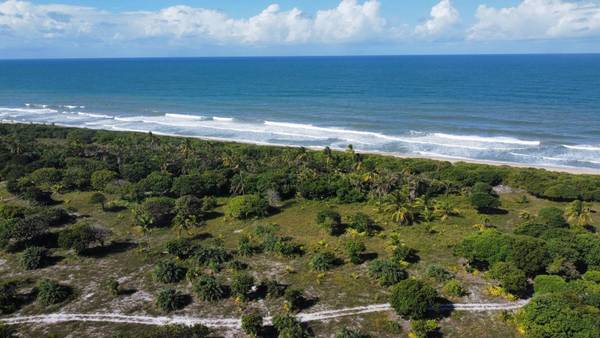
Homes for sale in Uruçuca
Bahia, Brazil
About Uruçuca
Uruçuca is a municipality in southern Bahia, but almost nobody who buys here buys the town itself. The town sits inland, in the Almada river valley, in cocoa country. What people look for is Serra Grande, the coastal district, set against the BA-001 highway between Ilhéus and Itacaré. Practically the whole property market of the municipality lies in those few kilometres of coast and hillside, and this page is about them.
Serra Grande is a village on two levels. Vila Alta, on top of the hill, holds the shops, the guesthouses and the cultural life; below, at sea level, lie Pé de Serra and Sargi, with some twenty kilometres of beaches you can still walk without seeing a building. Between the two there is forest — and it is the forest that explains the price, the rules and the risk of buying here.
The road that made the market is the road that made the park
Until the late nineties this stretch of coast was hard to reach and so it stayed unbuilt. In 1998 the paved BA-001 between Ilhéus and Itacaré opened, presented at the time as the country's first ecological road, and Serra Grande found itself half an hour from Itacaré and three quarters of an hour from Ilhéus airport. That road created the market.
And the same road created the limit. The Serra do Conduru State Park, covering 9,275 hectares across the municipalities of Ilhéus, Itacaré and Uruçuca, was created in 1997 as environmental compensation for building that stretch of highway. While the park was being delimited, 458 tree species were counted in a single hectare, one of the highest diversities ever measured on the planet. Anyone buying in Serra Grande buys inside a place whose value came from the road and whose rules came from the same road. The two are inseparable, and both are dealt with in detail below.
Where it is and how to get there
Serra Grande sits on the BA-001, about 30 kilometres from Itacaré and 43 kilometres from Ilhéus. Ilhéus airport, with regular flights from Salvador, São Paulo and Belo Horizonte, is under an hour away by car. Salvador is more than 400 kilometres away by land, with a ferry or an inland detour in between, and it is a full day's journey.
For a buyer the reading is simple, and it is the central advantage of the place: Serra Grande has Itacaré's access without Itacaré's crowds. You arrive by plane and by car on the same day, and you arrive in a village with no traffic at its entrance in January. The trade-off is that it does not have Itacaré's infrastructure either, and that weighs on services, on healthcare and on liquidity.
The town of Uruçuca lies some 25 kilometres inland, and that is where you go for paperwork and for anything administrative in the municipality. It is not where you take a holiday, but it is where a great deal gets resolved.
The areas, one by one
Vila Alta
This is the heart of Serra Grande, on top of the hill, with the shops, guesthouses and restaurants and a cultural life out of all proportion to the village's size. Buying here means having everything on foot and accepting the bustle of high season. The viewpoint, eighty metres above the sea, opens over Pé de Serra, Sargi and part of the Ilhéus coastline.
Pé de Serra and Sargi
These are the village beaches, at sea level, with fine sand, warm water and a calm sea that is not the surf of Itacaré. This is where the hotels, guesthouses and seafront houses are. It is also the strip with the tightest environmental rules in the whole area, being the shoreline itself.
The Tibina road
The Tibina climbs from the coast inland and is today the market's expansion front. This is where you find developments with marked plots, opened streets and electricity installed, and hilltop land with permanent sea views. You buy cheaper square metres than in the village and pay for it in car dependence and in dirt road during the rainy season.
The forest corridor, towards the Conduru
Between the coast and the park lies a band of native Atlantic Forest, with large tracts sold by the hectare, many on hilltops with permanent ocean views. It is the most beautiful product on the market and the one that demands the most documentary care: part of this land sits inside the ecological corridor linking the park to the coast, which changes what can be done with it.
The town and the Almada valley
Cocoa country, with cabruca farms — cocoa planted beneath the canopy of the native forest, a system more than two hundred years old that is the reason so much forest is still standing in this region. It is another market: what changes hands is farmland, not a beach house, and the paperwork is that of rural property.
What is for sale
Land and plots
This is most of the offer, and it is two different things. A plot is land inside a development, measured in hundreds or a few thousand square metres, with marked streets and power — this is what you find on the Tibina road, from twelve hundred square metres up. Land is the large tract, measured in hectares, on a hilltop or in a band of forest, bought by someone who wants to build an isolated house, a low-density project, or simply to hold forest. Anyone searching for land for sale in Uruçuca should know that the price gap between the two is wide; the legal gap is wider, and it is dealt with below.
There is also an intermediate format found here and rare elsewhere: rural condominiums in shares of two hectares or more, with a common reserve set aside for conservation, electricity installed and rural title. One of them, a few kilometres from the village of Serra Grande, divides a hundred and nineteen hectares into thirty-six parcels. It is a product designed for people who want forest and running water without buying a whole farm.
Farms
Medium-sized farms appear, in the tens of hectares, with workable land, springs, a main house and internal roads. The best of them reach the market with georeferencing done, clean registered title and the Rural Environmental Registry up to date — and here, that difference is worth more than the view.
Houses and guesthouses
This is the smallest segment by number. There are houses with four or five en-suite bedrooms in Serra Grande, with a pool and a few hundred square metres built, and there are working guesthouses with a dozen rooms, for sale as businesses. Buying a guesthouse here means buying a job in a market with a short season, and the due diligence is corporate, not just property.
About advertised prices
One feature of this market confuses people coming from outside: it is common for the price not to be published. Many listings simply say "on request", and the figure comes out in the first conversation with the broker. It is not a sign of anything wrong; it is how the local market works, above all for land and for upper-end property.
Investment analysis
Appreciation
The recent history of Serra Grande is the history of a place that grew expensive by being Itacaré's discreet neighbour. Whoever bought before the asphalt made the best deal; whoever buys now is betting on the next cycle, which depends on less certain things — sanitation, stable power, flights into Ilhéus and bed capacity. What appreciated most in recent years was land that had three things at once: clean paperwork, a sea view and access that works all year. Missing one of them, a plot falls behind however beautiful it is.
Holiday rental
It works, but in a short window, narrower than Itacaré's, because there are fewer beds and less movement. The useful year runs from December to March, with July and long weekends filling in. An honest calculation starts from the high season, deducts management, cleaning and maintenance, and reckons with the humidity, which here ruins anything left closed without ventilation.
Exit
This is the most underestimated part of this market. The pool of buyers is small and seasonal, and most of the offer is land. A large tract without georeferencing, somewhere remote, can wait years; a plot with clean title and access sells within a reasonable time. Liquidity here is a function of the paperwork and the access, not of the price.
Points to consider
A State Park is not the same thing as an APA
This is the most important point on the whole page, and it is what sets Uruçuca apart from the neighbouring beaches. There are two layers of protection here, under very different regimes.
The Environmental Protection Area of the Itacaré/Serra Grande Coast, created in 1993, covers the coastal strip of both municipalities. It is a sustainable-use unit: private property is allowed and building is allowed, within what the zoning permits and with a licence.
The Serra do Conduru State Park is something else. It is a strict protection unit: the land is public domain, nothing is built, and private holdings left inside its boundaries are subject to expropriation and land-tenure regularisation. Before making any offer, confirm on the official map, not in the listing, whether the land is inside the park, in its buffer zone, or outside it. A forest plot with a beautiful view may be precisely the one thing you cannot buy in order to build.
Possession is not ownership
A significant share of the land in this region was never properly titled: it changes hands as "possession", with private contracts, chains of assignment and, at times, little more than a receipt. Only a public deed registered on the property record, at the competent land registry, transfers ownership. Buying possession happens every day, but it is a risk decision, taken with a discount on the price and with a local lawyer — never on trust in the seller's good manners.
Rural property, and the foreign buyer
Almost everything sold here by the hectare is rural property, and rural property in Brazil has its own regime: registration with INCRA, the Rural Environmental Registry, certified georeferencing and a legal reserve. For a foreigner there are also size limits and prior authorisations, and a non-resident individual as a rule cannot acquire. Anyone coming from abroad who wants hectares must settle this before negotiating, not after — it is the difference between a deal and a problem that lasts years.
Atlantic Forest is protected by federal law
Independently of the park and the APA, native vegetation falls under the Atlantic Forest Law. That limits clearing, earthworks and construction on slopes, dunes and mangrove, and requires licensing for interventions that elsewhere would be routine. A plot "ready to build" may not be: the right question is not whether it is beautiful, but what the licence allows you to do on it.
It rains, and the dirt road feels it
This is one of the rainiest stretches of the country's coast, with the rain concentrated between March and July. The dirt roads climbing to the Tibina and to the forest tracts deteriorate, and some accesses require four-wheel drive at that time of year. Before buying away from the asphalt, it is worth asking what that same track is like in April.
Services, healthcare and scale
Serra Grande is a village, not a town. There are shops, restaurants and basic healthcare; a serious case goes to Ilhéus, more than forty minutes away by road. Outside the high season, part of the commerce closes. Anyone buying to live here year-round should visit in February and in June before deciding, because they are two different places.
Building here costs more
Materials come from Ilhéus or Itabuna, skilled labour is scarce and fought over, and the humidity demands construction solutions that in other climates would be luxury. A budget built on Salvador prices does not survive the first month on site. Anyone buying land to build should budget with room to spare and count on supervision on the ground.
Legal and tax checklist, in Brazil
Before buying
- Up-to-date registration record of the property and a reading of the chain of title: the seller must be the person on the record.
- Location checked against the official map of the Serra do Conduru State Park and against the zoning of the Itacaré/Serra Grande Coast APA.
- If rural: registration with INCRA, the Rural Environmental Registry, certified georeferencing and a recorded legal reserve.
- Clearance certificates for the seller — personal, tax, labour and enforcement — and for the property.
- Rural or municipal property tax paid up, depending on whether the property is rural or urban.
- If what exists is possession: who holds it, for how long, with which documents, and whether there is a path to adverse possession.
At purchase
A foreigner buys urban property in Brazil without restriction, needing only a CPF tax number; for rural property there are limits and additional requirements. The normal route is a purchase agreement, payment of the municipal transfer tax to the council, a public deed at a notary and — the step so many forget — registration on the property record. Before registration there is no transfer of ownership, however signed the deed may be.
While you hold it, and on sale
Annual rural or municipal property tax and, for tax residents, declaration of the asset. Anyone renting out declares the income and, as a non-resident, is subject to withholding at source. On sale there is capital gains tax, and remitting funds abroad requires that the money's entry was registered with the foreign exchange authorities at the time of purchase — buying with money that came in unregistered creates a problem that only appears years later, on the way out.
Who it suits — and who it does not
It suits those who want forest and sea somewhere easy to reach and free of mass tourism, and who accept a village instead of a town. It suits those buying a plot with clean title and building with local supervision. And it suits, above all, those who value being beside one of the richest blocks of Atlantic Forest known, and who understand that this comes with rules.
It does not suit those who want stable income all year, those who need town services at the door, those buying at a distance with no one trustworthy on the ground, or those unprepared for the possibility that the paperwork takes longer than expected. And it makes no sense at all to buy hectares of forest without first knowing, on the official map, what that forest is.
Uruçuca compared
Against Itacaré, thirty kilometres to the north, Serra Grande is smaller, quieter and has fewer services; Itacaré has more beds, more restaurants, a more liquid market and the movement that brings. Against Maraú, it gains a great deal in access — Maraú is far and will stay far — and loses in empty beach. Against Ilhéus, it is a destination rather than a town: more expensive per square metre in the good strip and without the services of a regional capital. Against Trancoso, it is far less sophisticated and far less expensive, and it has no international circuit.
Due diligence specific to Uruçuca
Beyond what has already been said, four checks are worth more here than elsewhere. The first is to lay the registration record over the map of the conservation units — park, buffer zone and APA — before discussing price. The second is to go to the land after heavy rain, because the same access changes character between September and April. The third is to confirm access and right of way: there are beautiful tracts whose track depends on a neighbour's goodwill, with nothing in writing. The fourth is to talk to someone who has already built in the area about real cost per square metre and about what the environmental licence did or did not allow — it is the information no listing brings and that decides whether the project is viable.
Final considerations
Among the homes and land for sale in Uruçuca, almost everything is in Serra Grande and almost everything is land. It is a market where the scenery sells itself and where what separates a good deal from a bad one rarely shows in the photographs: it is in the registration record, in the conservation-unit map and in the access road in April. A well-chosen property here is a rare asset, set beside one of the greatest tree diversities ever measured on the planet. A badly titled one, or one inside the park, is a problem you pass on.
For anyone who wants to go ahead, the path is simple to state and takes discipline to follow: confirm on the official map what the land actually is, demand the registration record before any deposit, and visit in February and in April before signing.
When you contact us through a property page, we forward your enquiry to whoever holds the full information on that specific property — the year's rural or municipal property tax, the title registration, the georeferencing where it exists and the status of any outstanding financing. The whole inventory is available in Portuguese, English, Spanish, French and Hebrew.
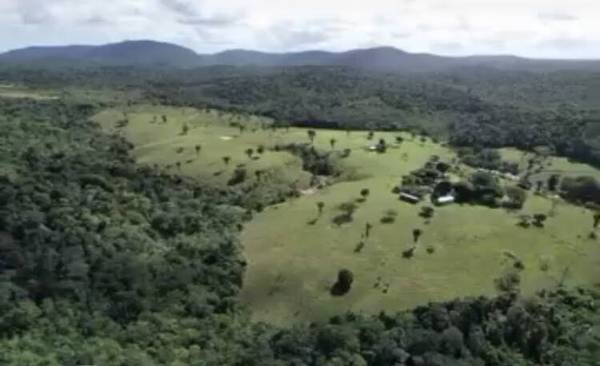
Smallholding for Sale in Uruçuca - Bahia - Brazil
View property →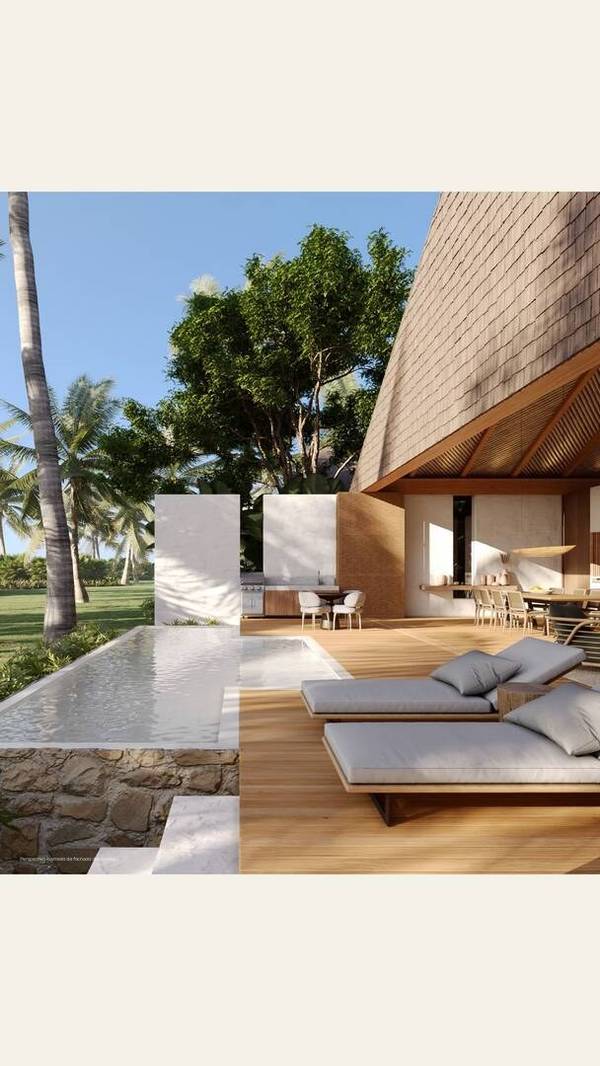
5 Bedroom House for Sale in Uruçuca - Bahia - Brazil
5 bed • 6 bath • 381 m²
View property →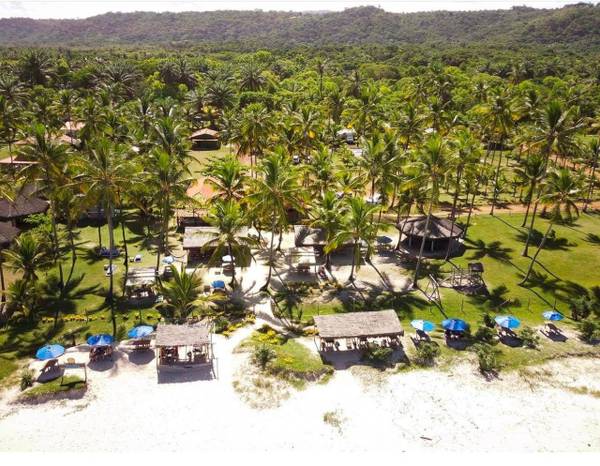
Land for Sale in Uruçuca - Bahia - Brazil
View property →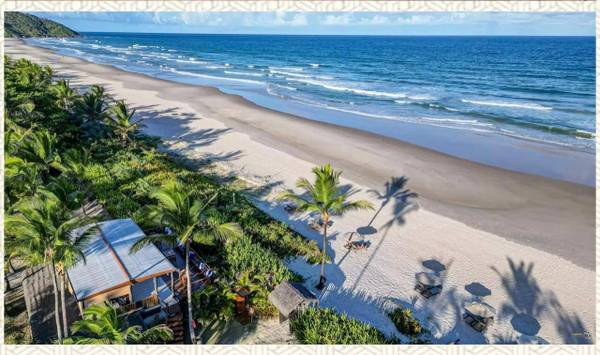
12 Bedroom Guesthouse for Sale in Uruçuca - Bahia - Brazil
12 bed • 12 bath
View property →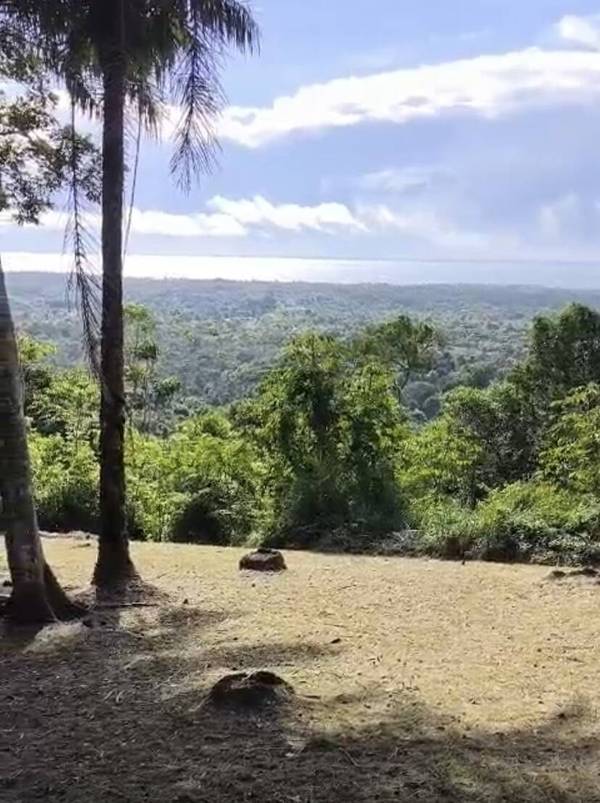
Plot for Sale in Uruçuca - Bahia - Brazil
View property →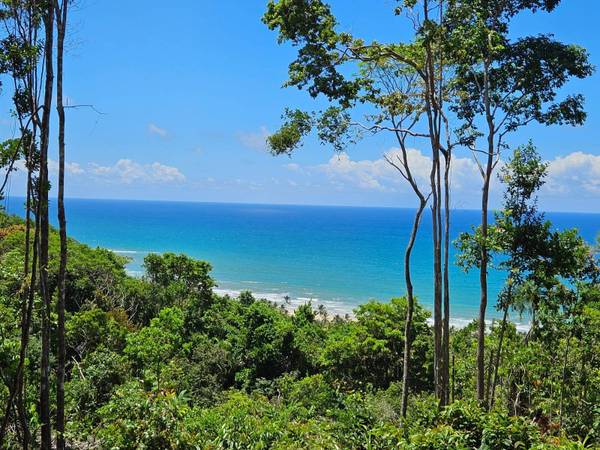
Land for Sale in Uruçuca - Bahia - Brazil
View property →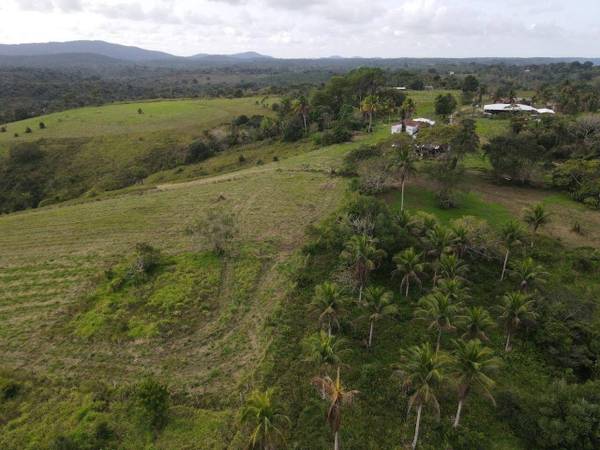
Farm for Sale in Uruçuca - Bahia - Brazil
View property →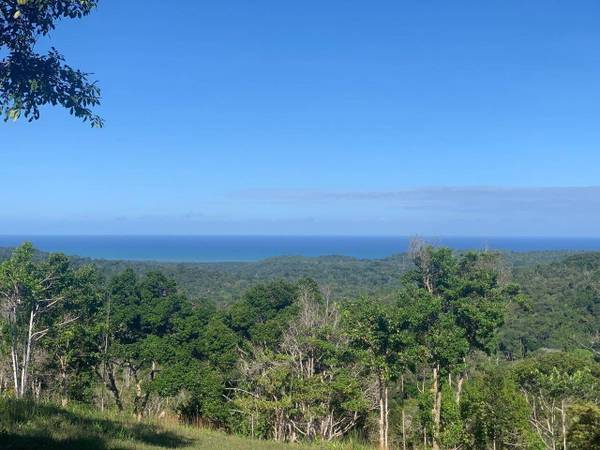
Land for Sale in Uruçuca - Bahia - Brazil
View property →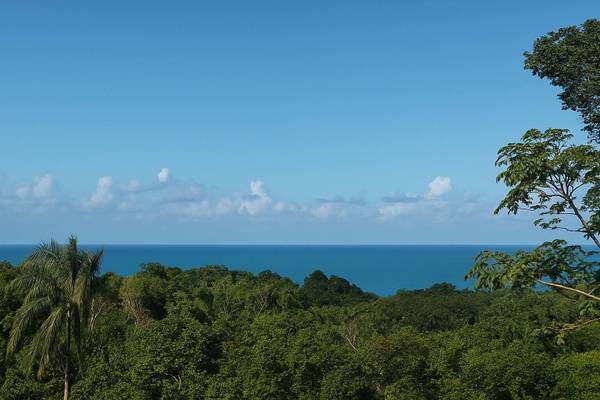
Plot for Sale in Uruçuca - Bahia - Brazil
View property →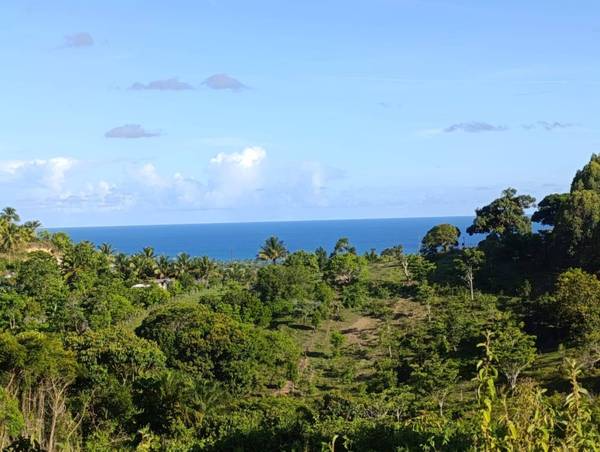
Land for Sale in Uruçuca - Bahia - Brazil
View property →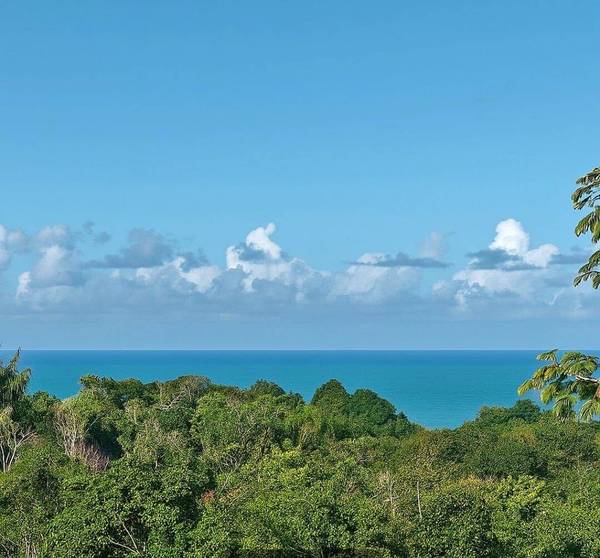
Land for Sale in Uruçuca - Bahia - Brazil
View property →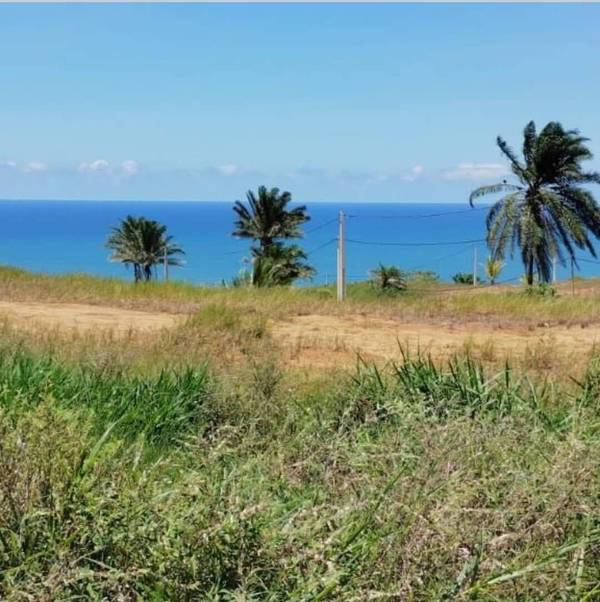
Plot for Sale in Uruçuca - Bahia - Brazil
View property →