Homes for sale in Torremolinos
Costa del Sol, Spain
About Torremolinos
Property for sale in Torremolinos: a full market analysis
Torremolinos is where the Costa del Sol was invented. It was here, in the 1950s and 1960s, that a village of fishermen and millers turned into Spain's first international mass-tourism destination — and that origin explains everything you can buy, and everything you risk, when buying in this town today. Anyone looking for property for sale in Torremolinos — studios to let, one- and two-bedroom apartments by the beach, townhouses or high-end flats with bay views — is looking at the lowest entry price on the entire coast and the easiest market to let. In our portfolio, prices run from €133,000 to €2.65 million, with a very clear concentration between €130,000 and €400,000. This analysis covers the areas, the housing stock, rental potential, Spanish taxation and the real risks of buying here.
The airport next door: Torremolinos's advantage
Torremolinos is the Costa del Sol municipality closest to Málaga airport. This is not a relative closeness of the "half an hour away" kind: the airport sits against the north-eastern boundary of the municipality, and the Cercanías C-1 rail line covers the distance in about ten to twelve minutes, with trains every twenty minutes. What is more, unlike its neighbours, Torremolinos does not have one station — it has several, spread across its territory: Los Álamos, La Colina, Torremolinos and Montemar Alto, which means a large part of the town has a train within walking distance.
For anyone buying to let, this is the difference between having and not having short weekend bookings: a guest landing at seven in the evening can be in the apartment by eight, with no car and no taxi. For a second-home buyer, it means being able to come for three days without the journey consuming one of them. It is the reason Torremolinos sustains occupancy rates that prettier and more expensive parts of the coast cannot match.
Understanding Torremolinos: a town that has been reinventing itself for seventy years
The town owes its name to the Torre de Pimentel, a fourteenth-century watchtower, and to the watermills driven by the stream — "torre" and "molinos". It was absorbed into Málaga in 1924 and regained its municipal independence in 1988, after a local campaign that still forms part of the town's identity. In between, it lived through the period that made it famous: in the 1960s, Torremolinos was where Europe came for the summer and where international cinema showed up, with the Pez Espada as the emblem of an era.
Today it has around 70,000 residents, one of the longest and busiest promenades on the coast, and a sustained municipal effort to upgrade the seafront that has substantially changed the face of Bajondillo and Playamar over the past decade.
The centre, Calle San Miguel and Bajondillo
The commercial heart is Calle San Miguel, a pedestrian artery running down from the centre to the top of the cliff. From there, the Cuesta del Tajo — and the public lifts the town installed — drop down to Bajondillo, the urban beach at the foot of the centre. It is the busiest area, with the oldest high-rise blocks on the seafront and an enormous price gap between sitting above the beach and being two streets up.
La Carihuela
La Carihuela is the old fishing quarter and remains the soul of the town: low fishermen's houses, narrow streets, a pedestrian promenade and the coast's densest concentration of chiringuitos and fish restaurants — sardine skewers grilled over a sand-filled boat are an institution here, not a tourist attraction. It is the area most sought after by those who want to live in Torremolinos all year, and the one that best holds value.
Playamar and Los Álamos
East of the centre, Playamar lines up the 1970s residential towers facing the beach, with communal gardens and pools — much in demand for letting thanks to the combination of beach on the doorstep and an accessible price. Further east still, Los Álamos is more open, with wider beaches and less density, but also closer to the airport, with everything that implies and which I address below.
Montemar and the upper town
Montemar climbs the hillside to the west, between the centre and Benalmádena, and is where the quietest and best-built residential supply sits: houses, townhouses and lower-density blocks with wide views over the bay. This is where the municipality's highest values are found and where the product competes directly with Benalmádena.
El Calvario, La Leala and inland
Climbing inland, away from the beach, are the districts where the town's permanent population lives — clearly lower prices, genuine neighbourhood life and almost no tourist pressure. Mostly without sea views, but this is where the square metre is cheapest on the whole Málaga coastline.
What you buy in Torremolinos
Torremolinos has one characteristic that sets it apart from everywhere else on the coast: it was built to house tourists, not families. That left behind a housing stock with the smallest average unit size on the entire Costa del Sol — many studios and many one-bedroom flats, thrown up in the 1960s and 1970s for short stays.
Our portfolio reflects that faithfully. The studio between €133,000 and €295,000 is the town's signature product and the cheapest ticket into the entire coast: small, sometimes thirty to forty square metres, almost always in a block with a pool, and with rental demand that is practically guaranteed. The one- and two-bedroom apartment between €160,000 and €435,000 is the body of the market. Above that sits the quality segment — two- and three-bedroom apartments between €435,000 and €885,000, and townhouses between €580,000 and €620,000, mostly in Montemar and along the renovated seafront. And at the top there is occasional high-end product reaching €2.65 million, typically large apartments with unobstructed views.
It is worth saying plainly: buying the cheapest studio on the coast is a legitimate decision and can be a good deal, but it is also the purchase with the most hidden traps. The points to consider below explain exactly which.
Who lives in Torremolinos
Torremolinos has a larger and more varied permanent population than its holiday-destination reputation suggests, with a very established resident foreign community — British, Scandinavian, German and, more recently, residents from across Europe who work remotely and chose the town for its cost of living and its airport link.
The town is also, openly and for decades now, one of the leading LGBTQ+ destinations in Spain and in Europe. The Nogalera area, next to Plaza Costa del Sol, concentrates that life, and Torremolinos Pride in June is one of the largest in the country and a genuine economic driver for the town outside high season. This is not a piece of local colour: it is a structural characteristic that sustains demand, retail and letting all year round, and any honest analysis of this market has to say so.
Rental potential
This is probably the easiest town to let on the whole Costa del Sol, for reasons that compound: an airport ten minutes away by train, an urban beach, a dense food and nightlife offer, a low entry price and a stock of studios and small flats tailor-made for short turnover. A well-located studio has demand practically all year.
Against that, it is also the market with the most direct competition — thousands of near-identical units chasing the same guest — and the one where holiday-let regulation bites hardest. Gross yield looks high; net yield depends entirely on community fees, works, management and whether the licence is possible at all. Read the next section before doing any sums.
Taxation and purchase costs
In Andalusia, buying a resale home attracts ITP transfer tax at 7% of the deed value. New build attracts 10% VAT plus 1.2% AJD stamp duty. On top come notary, registry and administrative fees — in practice another one to two per cent — plus legal fees.
In ownership there is municipal IBI, the community fee and, for anyone not tax-resident in Spain, IRNR. The distinction here matters and is often overlooked: residents of another EU or EEA country are taxed at 19% with expenses deductible; residents outside the EU are taxed at 24% on gross income, with no deductions at all. On a studio yielding €12,000 a year, that difference weighs on the bottom line more than almost any other variable in the deal. And even without letting, a property kept for personal use generates deemed rental income, also declarable.
Points to consider
None of these disqualifies Torremolinos. But this is the town on the coast where it is easiest to buy badly, which is why this is the most important section of this text.
The cheap studio and what it conceals
A €133,000 studio thirty metres from the sea looks like the best opportunity on the Costa del Sol, and sometimes it is. But three checks separate the good deal from the bad. First, the habitation certificate and occupancy licence: part of the 1960s and 1970s stock was built as tourist apartments and does not always have regularised residential use — which affects registration, financing and resale. Second, bank financing: very small units, below certain floor-area thresholds, are refused by several banks or financed on worse terms, which shrinks the pool of buyers the day you want to sell. Third, the make-up of the community: a building occupied mostly by short-term lets suffers more wear, more conflict and more difficulty approving works than a building of residents.
ITE and derramas
This applies here more forcefully than in any other town on the coast, because Torremolinos was the first to build high and therefore has the oldest stock. Sixty-year-old buildings, punished by decades of salt air, go through the ITE — the mandatory technical inspection — and out of it come structural, façade and plumbing works paid for through derramas, levies split among all owners that can exceed tens of thousands of euros per unit. Always ask for the minutes of the last three meetings and ask in writing whether a levy has been approved, is planned or is under discussion. And check whether there is a lift: many low buildings in La Carihuela and the centre have none.
Aircraft noise
This is the point that almost never appears in listings and is specific to Torremolinos. Málaga airport sits against the municipal boundary, and approach and departure routes pass over part of the territory, with greater incidence in the north-eastern sector — Los Álamos, San Julián and the strip closest to the airport. Intensity varies considerably with the runway in use and the wind, and there are parts of town where it is irrelevant and others where it is not. Visit the property on different days and at different times before deciding, and do not rely on a single winter-morning viewing.
Night-time noise and summer crowds
The town has serious nightlife, concentrated in the centre, in the Nogalera and by the beach. That is an economic advantage and a domestic problem, depending on the street. In summer the population multiplies, the promenade fills and parking becomes nearly impossible — a deeded garage space stops being a convenience and becomes a purchase criterion.
Density and views that disappear
Torremolinos is the most vertical town on the coast. Before paying a premium for a sea view, check the planning status of the plots in front and to the side — and check what time the sun reaches the terrace, because the density of towers casts long shadows from mid-afternoon.
The beach needs sand replenishment
Torremolinos's urban beaches, Bajondillo in particular, are subject to periodic regeneration with sand replenishment, and winter storms cause erosion that forces recurring intervention. This is managed by the authorities, but it is worth knowing that the width of the beach in front of the property is not a constant.
Water in Andalusia
The region has been through severe drought episodes in recent years, with restrictions that at times affected irrigation, pool filling and beach showers across several coastal municipalities. It is a structural climate risk and belongs in the assessment, especially in communities with large gardens and pools to maintain.
Buying here does not grant residency
The Spanish Golden Visa through real-estate investment ended in 2025. Buying a home in Spain does not confer a residence permit. Anyone who is not an EU citizen remains subject to the ninety-days-in-any-one-hundred-and-eighty rule in the Schengen Area, and living here requires a visa of its own, separate from the purchase.
Holiday letting: licence and community
Letting to tourists in Andalusia requires registration as a Vivienda con Fines Turísticos with the regional government, with concrete technical requirements. And since the recent reform, communities of owners may, by qualified majority, restrict or prohibit holiday letting in the building. In Torremolinos this is decisive, because this is precisely where most communities have an interest in stopping the turnover. The administrative licence is not enough: confirm the community's statutes and resolutions, in writing, before signing.
Who Torremolinos suits — and who it does not
It suits
Anyone wanting to enter the Costa del Sol with the least possible capital — this is literally the lowest entry price on the Málaga coastline. Anyone buying to let who wants the easiest occupancy on the coast. Anyone who values an airport ten minutes away and several train stations within the town itself. Anyone who wants a town that is alive all year, with real shops, restaurants and nightlife in January. And anyone looking for an open, cosmopolitan community, in a place whose tradition of welcome predates the entire modern coast.
It does not suit
Anyone seeking quiet, privacy and land — that is Benahavís or Sotogrande. Anyone wanting recent housing stock with no risk of works and levies. Anyone who cannot tolerate density, night-time noise and a crowded summer. Anyone sensitive to aircraft noise who is not prepared to choose the area carefully. Anyone looking for address prestige, which does not exist here. And anyone counting on residency through purchase, which has ended.
Torremolinos compared with its neighbours
Against Benalmádena: Benalmádena has the Andalusian-character Pueblo, topography with views and slightly newer stock; Torremolinos is flatter, more urban, cheaper and closer to the airport. Against Fuengirola: both have the train and high density, but Fuengirola is more family-oriented and residential, with its long continuous promenade; Torremolinos has more intense nightlife, a lower entry price and smaller units. Against Marbella: they do not compete at all — Marbella sells status and exclusivity, Torremolinos sells access and turnover. Against Estepona: Estepona offers new build and a well-kept old town an hour from the airport with no train; Torremolinos offers the exact opposite. Against the Algarve: a similar climate, but the Algarve is dispersed and low-density, with a different tax and legal framework.
Due diligence specific to Torremolinos
Beyond the usual — the nota simple from the land registry, the first-occupation licence, community debts which in Spain follow the property, and discrepancies between cadastre and registry on floor areas — there are checks here that count for more than in any other municipality on the coast.
Confirm that the property has regularised residential use and not merely tourist use, especially with studios and in 1960s and 1970s buildings. Ask for the minutes and the community's real budget, with explicit attention to levies and the state of the façade. Check whether the building has already passed the ITE and with what result. Ask what percentage of units is given over to holiday letting — that predicts wear, conflict and the likelihood of the community banning the activity. Confirm the lift, the deeded garage space and the solar orientation. Assess aircraft noise on site and at varying hours. Ask for the energy certificate and read it: in a 1968 building it foretells the bill. And confirm with the bank, before making an offer, whether the unit is mortgageable — with small floor areas that is not guaranteed. Always engage an independent lawyer, never the one recommended by the seller.
In summary
Torremolinos is the gateway to the Costa del Sol, in the literal and the economic sense. It is the town closest to the airport, the easiest to let, and the only one where you can still buy under €150,000 within walking distance of the beach. In exchange, it is the densest, the noisiest and the one with the oldest built stock on the coastline — and that is why here, more than anywhere else on this coast, the quality of the purchase is decided in the building and on paper, not in the town: in the community minutes, in the use licence, in the levy that is coming and in whether letting is actually possible. Those who do that work buy well into a market with liquidity few competitors can match. Those who do not find out too late why the price was what it was. The points to consider above do not argue against Torremolinos; they describe what must be checked to buy here with your eyes open.
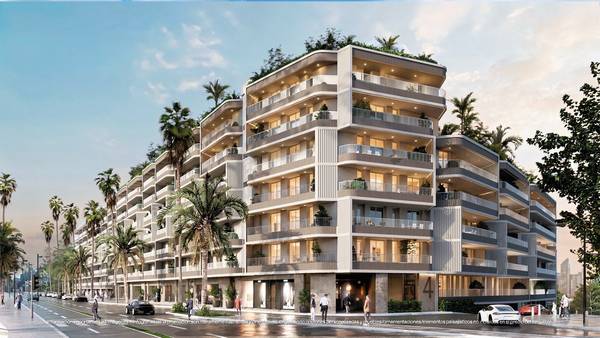
1-Bedroom Apartment for Sale in Torremolinos, Costa del Sol
1 bed • 1 bath • 52 m²
€363,000
View property →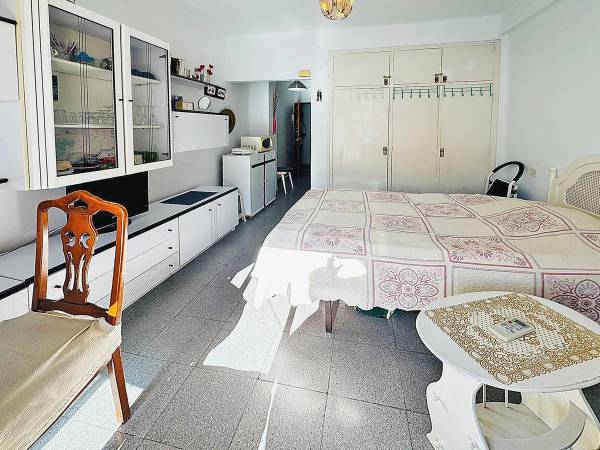
2-Bedroom Studio for Sale in Torremolinos, Costa del Sol
2 bed • 1 bath • 182 m²
€169,000
View property →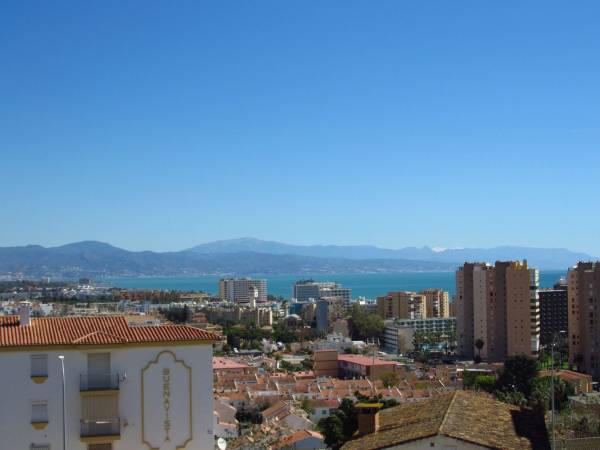
2-Bedroom Apartment for Sale in Torremolinos, Costa del Sol
2 bed • 1 bath • 73 m²
€295,000
View property →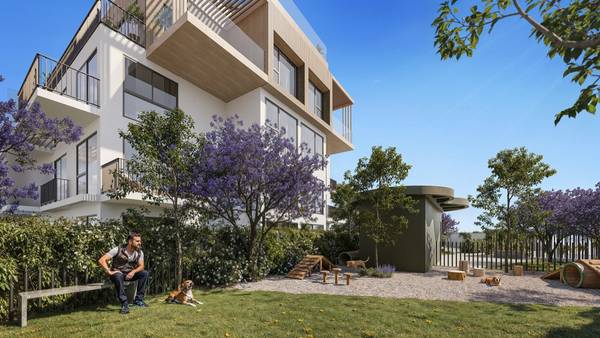
1-Bedroom Apartment for Sale in Torremolinos, Costa del Sol
1 bed • 1 bath • 59 m²
€377,000
View property →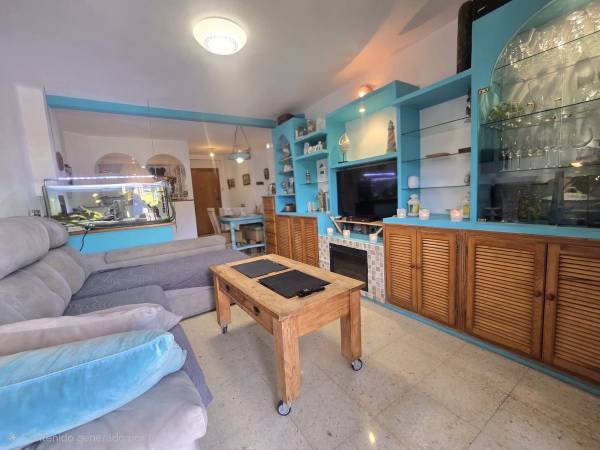
3-Bedroom Apartment for Sale in Torremolinos, Costa del Sol
3 bed • 1 bath • 88 m²
€319,500
View property →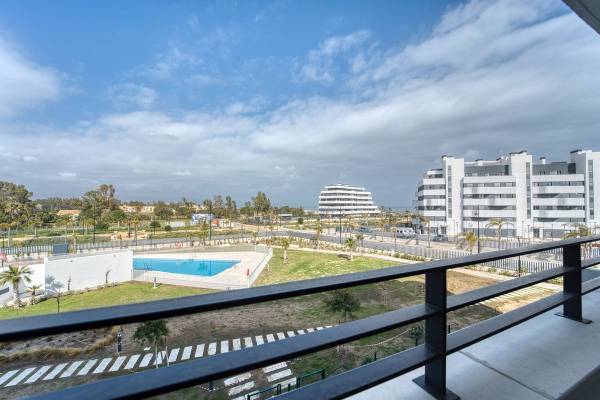
2-Bedroom Apartment for Sale in Torremolinos, Costa del Sol
2 bed • 2 bath • 110 m²
€760,000
View property →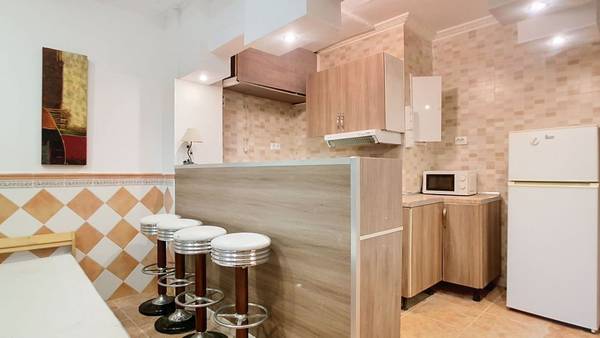
2-Bedroom Apartment for Sale in Torremolinos, Costa del Sol
2 bed • 2 bath • 96 m²
€199,000
View property →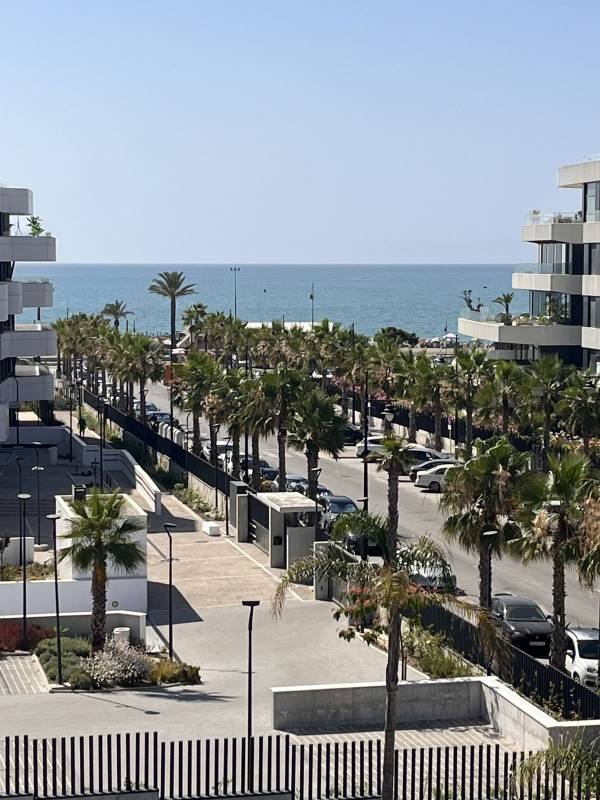
3-Bedroom Apartment for Sale in Torremolinos, Costa del Sol
3 bed • 2 bath • 114 m²
€885,000
View property →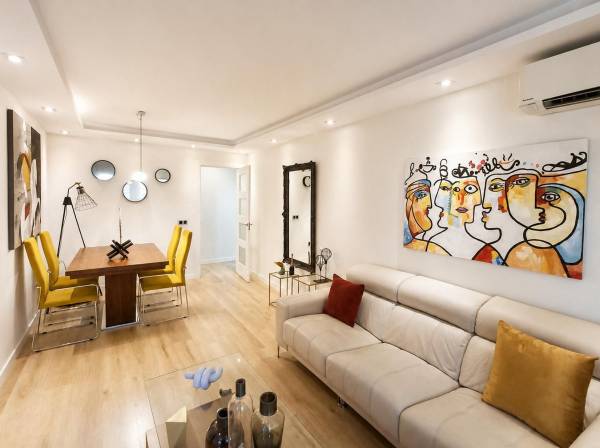
2-Bedroom Apartment for Sale in Torremolinos, Costa del Sol
2 bed • 2 bath • 182 m²
€435,000
View property →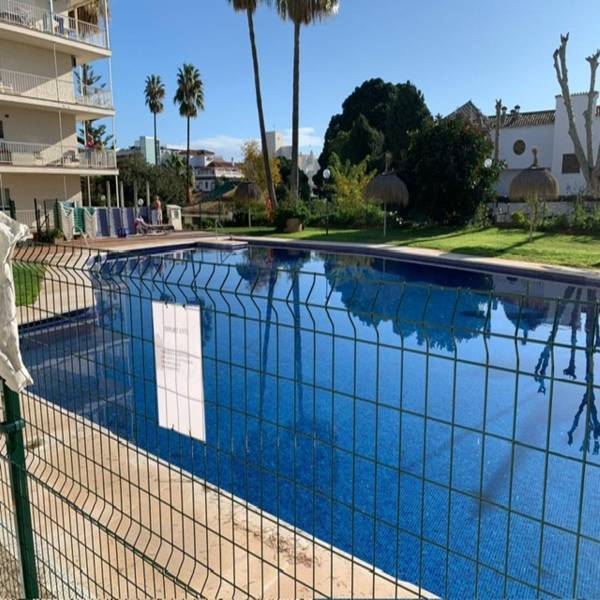
2-Bedroom Studio for Sale in Torremolinos, Costa del Sol
2 bed • 1 bath • 36 m²
€295,000
View property →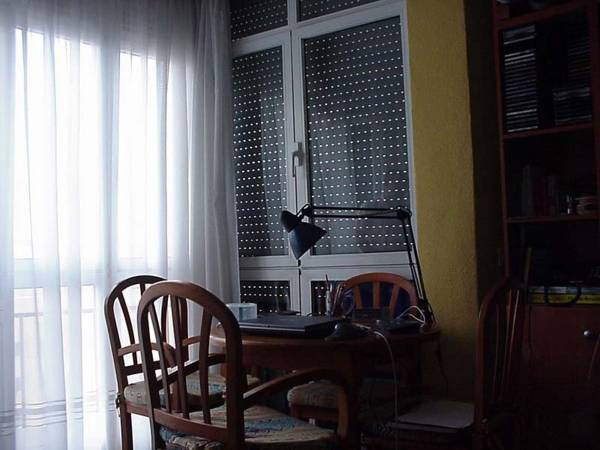
3-Bedroom Studio for Sale in Torremolinos, Costa del Sol
3 bed • 1 bath • 30 m²
€133,000
View property →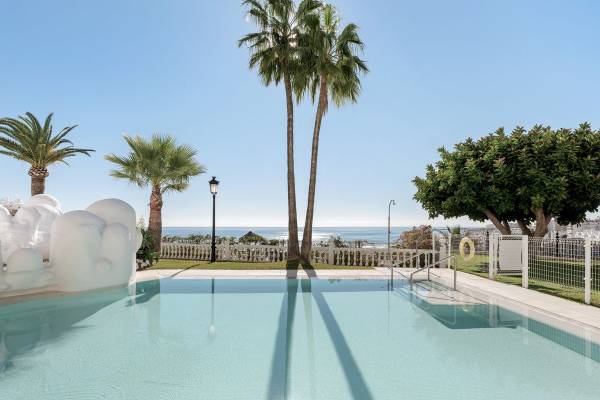
4-Bedroom Apartment for Sale in Torremolinos, Costa del Sol
4 bed • 3 bath • 366 m²
€2,650,000
View property →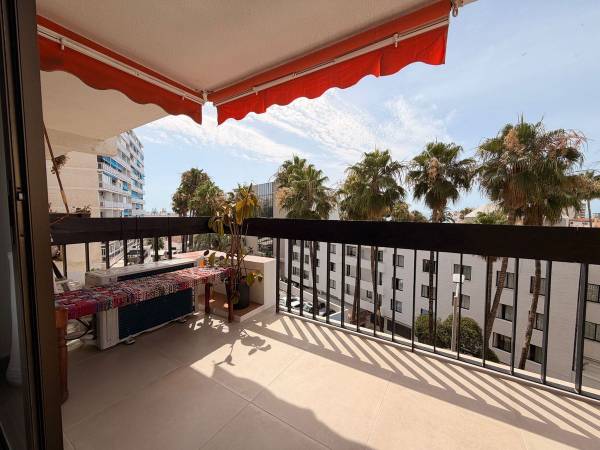
2-Bedroom Apartment for Sale in Torremolinos, Costa del Sol
2 bed • 1 bath • 60 m²
€325,000
View property →
2-Bedroom Townhouse for Sale in Torremolinos, Costa del Sol
2 bed • 3 bath • 182 m²
€580,000
View property →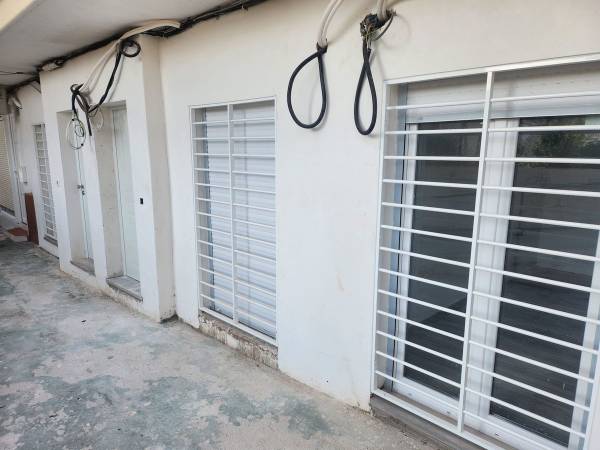
2-Bedroom Studio for Sale in Torremolinos, Costa del Sol
2 bed • 1 bath • 36 m²
€179,000
View property →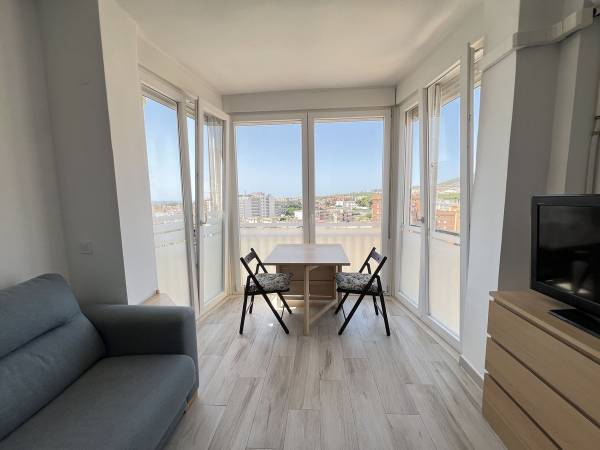
1-Bedroom Studio for Sale in Torremolinos, Costa del Sol
1 bed • 1 bath • 30 m²
€172,000
View property →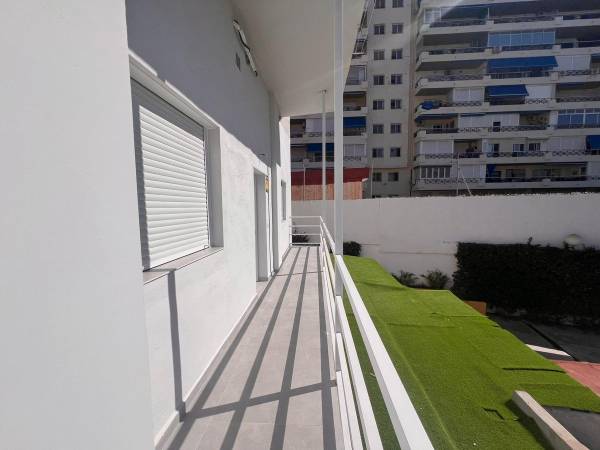
1-Bedroom Apartment for Sale in Torremolinos, Costa del Sol
1 bed • 1 bath • 48 m²
€195,000
View property →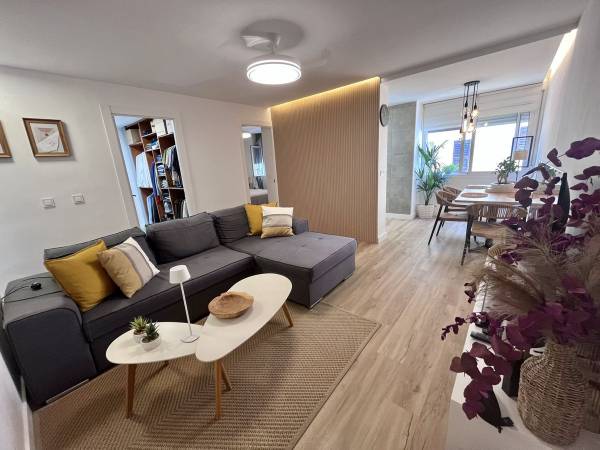
3-Bedroom Apartment for Sale in Torremolinos, Costa del Sol
3 bed • 1 bath • 70 m²
€330,000
View property →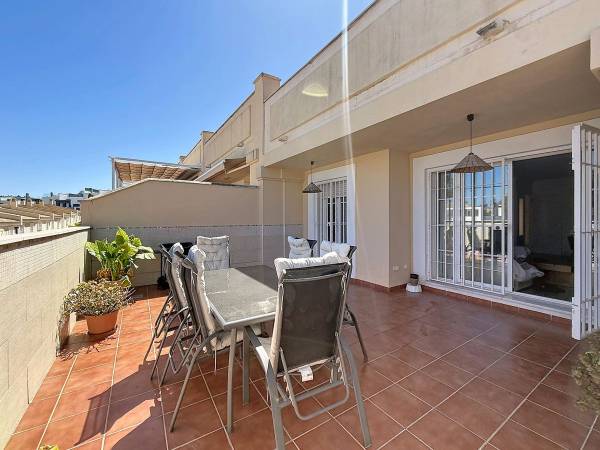
4-Bedroom Townhouse for Sale in Torremolinos, Costa del Sol
4 bed • 3 bath • 182 m²
€620,000
View property →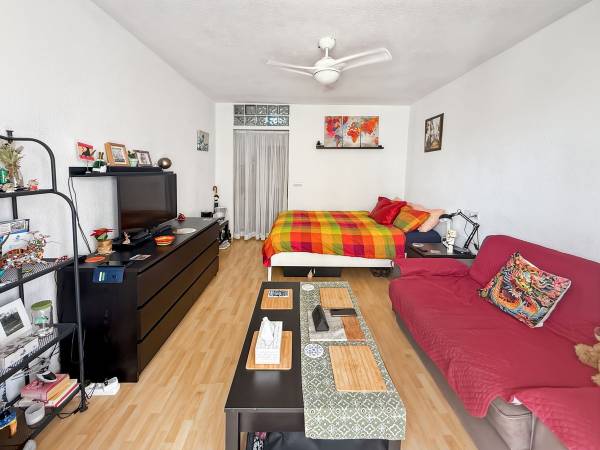
1-Bedroom Studio for Sale in Torremolinos, Costa del Sol
1 bed • 1 bath • 27 m²
€160,000
View property →