Homes for sale in Tampa
Florida, USA
About Tampa
Tampa, Florida: the working, urban face of the Gulf Coast
Tampa is Florida's third-largest city and the centre of a metropolitan region of about 3.2 million people (Tampa–St. Petersburg–Clearwater). Unlike the state's holiday destinations, Tampa is a city that works: it has Florida's largest port, MacDill Air Force Base (home of U.S. Central Command), one of the Southeast's biggest healthcare clusters — including Moffitt Cancer Center and Tampa General —, the University of South Florida and an expanding financial hub. That diversified economy, combined with no state income tax, sustains the continuous migration from the U.S. Northeast and the growth of the property market.
For international buyers, Tampa is usually the rational alternative to Miami: far lower price per square metre, less speculative volatility and a city that keeps running outside high season. In exchange, you must know that the city has no beach of its own — the Gulf beaches are 30–45 minutes away, in Clearwater and St. Pete Beach.
How the city is laid out
South Tampa (Hyde Park, Bayshore, Palma Ceia, Davis Islands)
The city's traditional address. Bayshore Boulevard runs along the bay with what is considered the longest continuous sidewalk in the United States, and concentrates the newest luxury condominiums. Hyde Park mixes restored historic homes with the open-air retail of Hyde Park Village; Davis Islands is a residential island with an executive airport and hospital. It is the most valuable area and the most liquid.
Westshore and the Westshore Marina District
The region's densest office district, beside the international airport (TPA) — and, on the waterfront, a new planned neighbourhood around a marina, with residential towers, restaurants and direct bay access. Much of the city's new one- and two-bedroom product is here.
Downtown, Water Street and Channelside
Downtown went through one of the country's largest urban regenerations of the past decade: the Water Street district created an entire neighbourhood of towers, hotels, offices and tree-lined sidewalks beside the Riverwalk. Buyer profile: those who want to live on foot, with urban life and water views.
Ybor City and Seminole Heights
Ybor is the historic cigar-factory district founded by Cuban, Spanish and Italian immigrants — today a cultural and nightlife quarter of brick buildings and streetcars. Seminole Heights is the 1920s bungalow neighbourhood that became an independent food scene, with the most interesting entry prices in the central city.
New Tampa, Carrollwood and Brandon (suburbs)
Family neighbourhoods with gated communities, well-rated schools and larger homes for less money — the choice for those who prioritise space over location.
The available inventory
Our Tampa selection runs from US$579,990 to US$1,075,000, concentrated in the city's two most liquid fronts: a two-bedroom apartment at Altura Bayshore (South Tampa's new luxury tower on Bayshore, with a sky pool and a private elevator per residence), two one- and two-bedroom units in the Westshore Marina District (Bridge Street, facing the marina, US$850,000 each) and a four-bedroom house at US$579,990 — the entry point of the inventory. It samples exactly what international buyers look for here: a serviced new-build condominium or a house in an established neighbourhood.
Investment analysis
Economic fundamentals
Tampa grows through corporate and population migration, not seasonal tourism. Port, healthcare, defence, university and financial services together generate year-round housing demand — which makes annual rentals more predictable than in holiday towns.
Relative price
Price per square metre in Tampa is substantially below Miami and Fort Lauderdale, with equivalent construction quality in new developments. For buyers who want Florida real estate in dollars without paying the Greater Miami premium, it is the main alternative address.
Rentals and the new cycle
After the 2021–2022 boom, the Florida market has cooled: for-sale inventory rose and prices flattened or slipped in some segments. That improved the buyer's negotiating position — but calls for a sober reading: buying today is a bet on long-term fundamentals, not on rapid appreciation.
How buying works in the U.S.
There are no restrictions on foreign buyers. In Florida the closing is handled by a title company (an attorney is advisable but not mandatory as in New York): offer and contract, escrow deposit, inspection, title search and title insurance, closing in 30–45 days for cash purchases. Many buyers use an LLC for asset and estate protection. Closing costs run ~2–5%. Non-resident financing is available (typical 30–40% down). On sale, 15% FIRPTA withholding applies, recoverable at filing; to rent out, you need an ITIN and annual U.S. filings.
Points to watch
- Homeowners insurance — Florida's biggest hidden cost. Premiums in the state are among the highest in the country, several times the national average, after years of insurers withdrawing and severe hurricane seasons. Get an insurance quote BEFORE making an offer: the figure can completely change the investment maths.
- Condominiums: mandatory structural reserves and special assessments. After the Surfside collapse, Florida law now requires inspections and funded reserves for older buildings. The result has been sharp increases in monthly fees and extraordinary assessments in many buildings. Before buying, demand the reserve study, recent minutes and information on approved or pending assessments.
- Hurricanes and storm surge. Tampa Bay is shallow, which amplifies storm surge; the region was directly affected in recent seasons. Check the specific property's evacuation zone and FEMA flood zone, and the cost of flood insurance (separate from homeowners insurance).
- Property tax without the resident cap. The Save Our Homes benefit, which limits annual increases in assessed value, applies only to residents with a homestead exemption. Investors and non-residents have no such cap — the bill can rise much faster than a resident neighbour's. Model the tax on your purchase price, not on what the current owner pays.
- Heat and humidity. June to September is intense and rainy — if you plan to use the home then, visit then.
- A car city. Public transport is limited; outside downtown and South Tampa, you depend entirely on a car.
- Not a beach town. The Gulf beaches are excellent but 30–45 minutes away — and bridge traffic worsens at weekends.
- A market in adjustment. Higher inventory and slower sales than at the peak; exiting an investment today requires a longer horizon.
None of these points disqualifies Tampa — they are the rules of today's Florida property game, and knowing them is exactly what separates a good purchase from an expensive one.
Who it makes sense for — and who it doesn't
It makes sense for buyers wanting dollar-denominated property with real economic fundamentals and no state income tax; for annual-rental investors (not seasonal); and for those seeking a serviced new-build condominium at half the price of a Greater Miami equivalent. It makes less sense for buyers who want feet-in-the-sand (that does not exist here), for those unwilling to deal with expensive insurance and Florida condo rules, and for anyone expecting 2021-style rapid appreciation.
Due diligence checklist
- Homeowners and flood insurance quotes before the offer — not after.
- In condominiums: structural integrity reserve study, minutes, budget, monthly fee and history of special assessments.
- Hurricane evacuation zone and FEMA flood zone for the specific address.
- Property-tax projection based on your purchase price (without the homestead cap).
- Full inspection: roof (age matters greatly for insurance), electrical, HVAC, and polybutylene plumbing in older homes.
- Title search and title insurance; check liens and HOA restrictions.
- Purchase structure (LLC) and FIRPTA/estate planning before the offer.
Tampa vs other Florida options
Against Miami, Tampa is markedly cheaper and less volatile, with less international glamour. Against Orlando (and the Doctor Phillips and Winter Garden areas in our portfolio), it trades the tourism and short-term rental engine for an urban economy of jobs and annual leases. Against Sarasota and Naples, it loses on beach and wins on city life and price. And against Howey-in-the-Hills or the interior, it offers far greater liquidity — there is always a buyer for a well-located South Tampa property.
Final considerations
Tampa is Florida's best example of a market sustained by a real economy rather than seasonality. Bought with insurance quoted in advance, condominium accounts audited and property tax correctly modelled, it is one of the most balanced entries into the U.S. market for international buyers.
When you contact us through a property page, we forward your enquiry to whoever holds the full information on that specific property — the current year's property tax, the HOA or condo fees and what they cover, the flood zone and the insurance quote. The whole inventory is available in Portuguese, English, Spanish, French and Hebrew.

Citron Grove: Townhome for Sale in Tampa - Florida - USA
3 bed • 2 bath • 155 m²
$385,990
View property →
Parkview at Long Lake: House for Sale in Tampa - Florida - USA
3 bed • 2 bath • 161 m²
$478,621
View property →
Montrose at Innisbrook: House for Sale in Tampa - Florida - USA
3 bed • 2 bath • 194 m²
$500,000
View property →
Southport: House for Sale in Tampa - Florida - USA
4 bed • 2 bath • 223 m²
$579,990
View property →
Aqua at Westshore Yacht Club: Apartment for Sale in Tampa - Florida - USA
2 bed • 2 bath • 215 m²
$1,580,000
View property →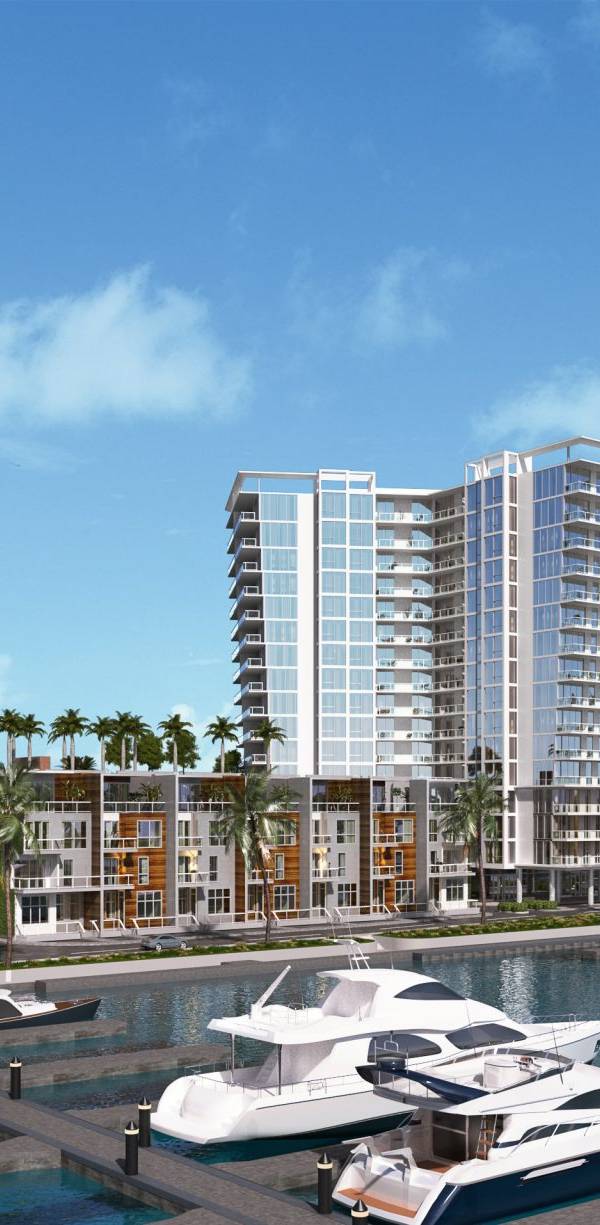
Apartments for Sale in Tampa - Florida - USA
1 bed • 1 bath • 102.01 m²
$850,000
View property →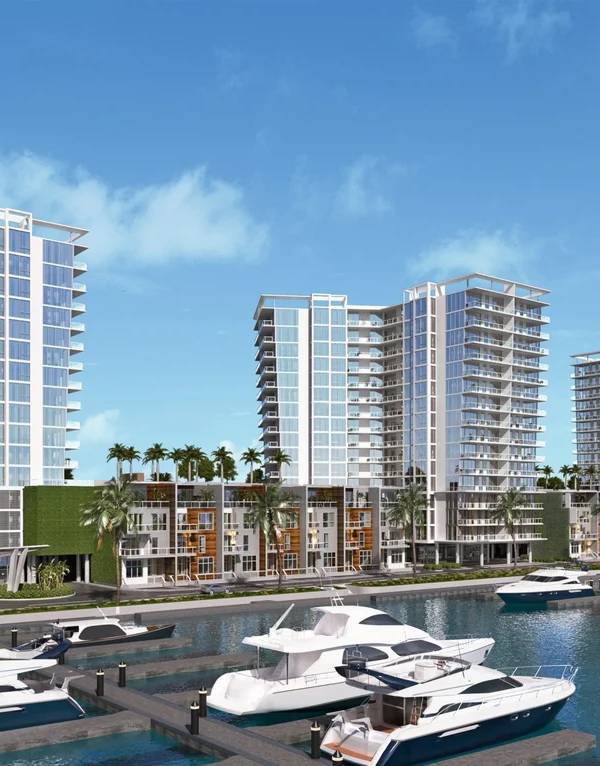
2-Bedroom Apartment for Sale in Tampa – Florida – USA
2 bed • 2 bath • 209 m²
$850,000
View property →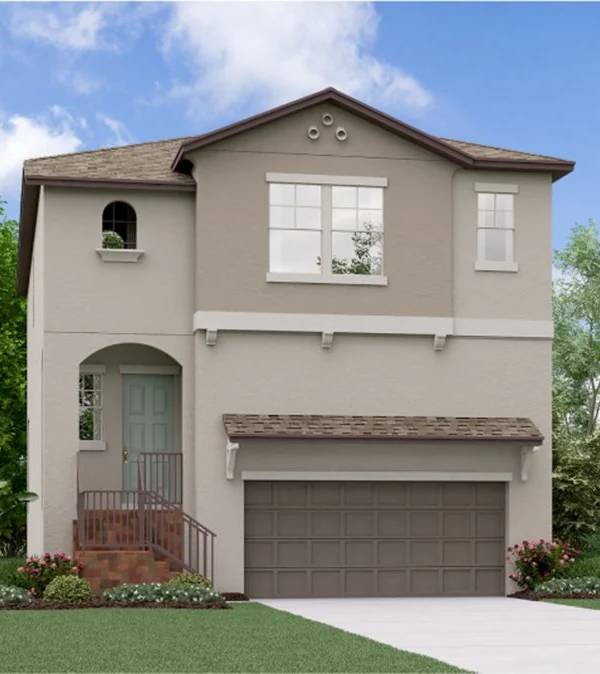
4 Bedroom Home for Sale in Tampa - Florida - USA
4 bed • 2 bath • 223 m²
$579,990
View property →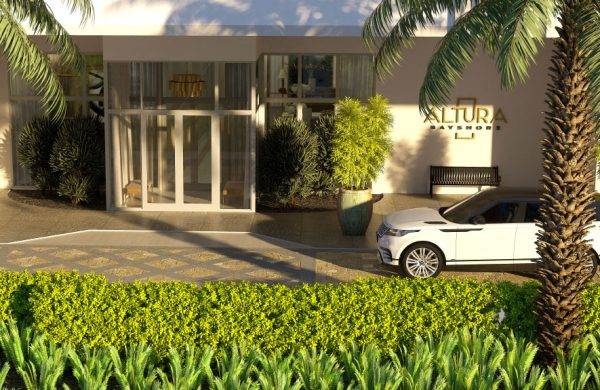
2 Bedroom Apartment for Sale in Tampa - Florida - USA
2 bed • 3 bath • 222.97 m²
$1,075,000
View property →