Homes for sale in Stone Ridge
New York, USA
About Stone Ridge
Where Stone Ridge is, and where the name comes from
Stone Ridge is a hamlet in the Town of Marbletown, Ulster County, New York. It runs along Route 209 in the Rondout Valley, between two ridges that face each other: the Shawangunks to the east and the Catskills to the west. It has no village government and no municipal boundaries of its own: it is a settlement with its own postcode, 12484, inside a larger town. That has practical consequences, which come up further down, mainly around permits and taxes.
The name is not decorative. The Rondout Valley holds one of the densest concentrations of eighteenth-century stone houses in the country, raised by settlers of Dutch and Huguenot origin using stone quarried from the land itself. Anyone driving 209 between Hurley, Stone Ridge and Accord passes dozens of them, many still lived in.
The valley stone houses, and why they are almost never for sale
That collection is what gives the place the reputation that brings it into searches. But it is worth separating reputation from market: stone houses change hands rarely, often without ever reaching a listing, and when they do they compete for a particular buyer, willing to pay the premium for rarity and to take on what comes with it.
This is worth saying at the outset, because it is the first thing that disappoints anyone arriving because of the photographs: none of the four houses currently for sale in Stone Ridge is a colonial-era stone house. They are twentieth-century buildings and one from 2026. Anyone here for the 1750 Dutch farmhouse will have to wait, and possibly wait years.
What changes when you buy eighteenth-century stone
A stone wall laid in lime mortar does not behave like a modern wall. It needs to breathe; sealing it with cement or with plastic paint traps moisture inside and degrades the stone from within. Lime rendering is a specialism with few practitioners in the region, and the cost of doing it properly bears no comparison with an ordinary house.
Then there is insulation, which those houses do not have, and the heating bill that follows from it. And if the property is listed or sits inside a protection area, exterior work becomes subject to approval. None of this argues against buying; it only means budgeting the house for what it is, rather than for what a house of the same size would cost to keep.
SUNY Ulster: what separates Stone Ridge from a weekend hamlet
The main campus of SUNY Ulster is in Stone Ridge, on Cottekill Road. It is the most important difference between this place and the mountain hamlets to the north: there is employment, activity and rental demand across the whole academic year, not only from June to October.
That changes the arithmetic for anyone buying to let. A twelve-month lease to campus staff or to someone working in Kingston earns less per night than a summer short-term let, but it earns in February, requires no booking management, and does not depend on town rules that can change.
What is for sale today
The houses for sale run from 419,900 to 745,000 dollars. A sample this size are not a market, and no average calculated across them would describe anything at all; so a few examples are set out below.
A few examples
The most expensive, on Atwood Road, is a modern build completed in 2026, with four bedrooms, three bathrooms and a cloakroom, and around 279 sq m. It is the only one with no history: new systems, current insulation and no surprises inside the walls.
On Pine Bush Road stands the Galloway House, a Craftsman residence of about 1924, set well back from the road on an acre, with broad lawns and distant views to the Shawangunks. It has three bedrooms and an original bluestone front porch. It is the closest thing here to a historic house, without being stone or colonial.
On Candlewood Lane, at the end of a cul-de-sac, there is a cape with four bedrooms, three bathrooms, a wood-burning fireplace and a partly finished basement. The listing and the description disagree on floor area — one gives around 220 sq m, the other a little over 186 — and that difference should be settled before any offer.
The cheapest is on Maryland Court, also a cul-de-sac: three bedrooms, one bathroom, all on a single level, on a flat wooded lot of more than an acre, with vaulted ceilings and a wood-burning fireplace. One bathroom for three bedrooms is the obvious limitation, and it is also what explains the price.
What the prices say, and what they do not
The spread between the 2026 house and the single-level one is a little over 325,000 dollars, and almost all of it comes down to three variables: year of construction, number of bathrooms, and accumulated work still to do. This is not a market where the view sets the price, unlike up on the ridge.
What these figures do not show is the cost of ownership. In the Hudson Valley counties the effective property tax rate runs above the national average — on the order of two per cent of market value, against roughly one per cent as the national norm. On a 600,000 dollar house that is a monthly line as heavy as a mortgage payment, and it has to be in the calculation from the start.
Getting there and getting around: Route 209, and the train that does not exist
Stone Ridge is about 145 kilometres from New York City, which means two hours by car with no traffic and considerably more on a Friday afternoon. There is no railway station: the nearest rail link to the city is Poughkeepsie, across the Hudson, some forty-five minutes away by car, and there are buses from Kingston and New Paltz.
Within the valley, everything is done by car. Route 209 is the spine and is maintained year round, but the side roads are rural, with varying surfaces and widths, and in winter the difference shows. A house three kilometres off 209 on a hillside is not the same proposition in January as the same house beside the main road.
Well water, septic systems and the winter bill
Outside the small serviced clusters, the norm in the town is well water and a septic system. These work well when properly built and become expensive when they are not. Before closing, ask for a water analysis, a well yield test and a septic inspection including probing of the leach field — three checks that are not routine in a city and that here avoid most of the unpleasant surprises.
Winter is real and it is long. Old, poorly insulated houses consume a great deal, and oil or propane heating in a large house is an expense that catches out anyone coming from an urban flat. Asking the seller for the last two years of fuel consumption is the cheapest and most informative request in the whole process.
Short-term letting in Marbletown
Short-term letting is regulated at town level, with its own permitting, and the rules across Ulster County have tightened in recent years and still vary from place to place. Anyone doing the investment arithmetic on weekend income has to confirm the rules in force in Marbletown before signing, not after.
What is around
High Falls is minutes away, with the remains of the Delaware and Hudson Canal and the museum that tells their story. Accord and Kerhonkson carry the valley south, Rosendale sits to the north, and Kingston — with a hospital, serious services and the historic district by the river — is twenty-five minutes off. New Paltz, with the university and its street-level commerce, is a similar distance.
For anyone buying for the landscape, the ridge is the argument: the Mohonk Preserve and Minnewaska State Park Preserve lie across the valley, with conglomerate cliffs, mountain lakes and a trail network used all year. The Rondout Creek runs through the valley and explains both the fertility of the farms and the risk that comes next.
Points to consider
The first is flood risk. The Rondout and its tributaries do overflow, and there are parcels in the valley within mapped flood zones. Before making an offer, confirm the zone, the insurance cost and the history of the specific parcel, which does not always match that of the street.
The second is the cost of ownership already mentioned: an effective tax rate above the national average, plus well, septic and heating. It is perfectly manageable when it is in the calculation from the start, and a problem when it turns up afterwards.
The third is the absence of a walkable centre. Stone Ridge is a crossroads with local shops strung along a road, not a village you leave on foot to go to dinner. Anyone who wants that will find it in New Paltz or Rosendale, and it is worth seeing all three before deciding. There is also the variation in internet service from road to road, which matters to anyone working from home and is confirmed at the exact address, not by postcode.
None of these points disqualifies Stone Ridge. They are the price of sitting in a farming valley with two ridges in view, two hours from Manhattan, and anyone who knows them before buying is not caught out by them afterwards.
Who buys well in Stone Ridge
The buyer who does well here is the one who wants the Rondout Valley with a year-round economy: the campus, the Kingston hospital and the farms keep things moving in February, which is not the case in the mountain hamlets further north. And the buyer who does well is the one who arrives without a fixed idea of the stone house, and looks at what is actually for sale.
Anyone specifically after the eighteenth-century Dutch farmhouse would do better to say so and to be patient: few come up each year across the whole valley, they rarely sit long on the market, and buying one is a conservation project as much as a house purchase.
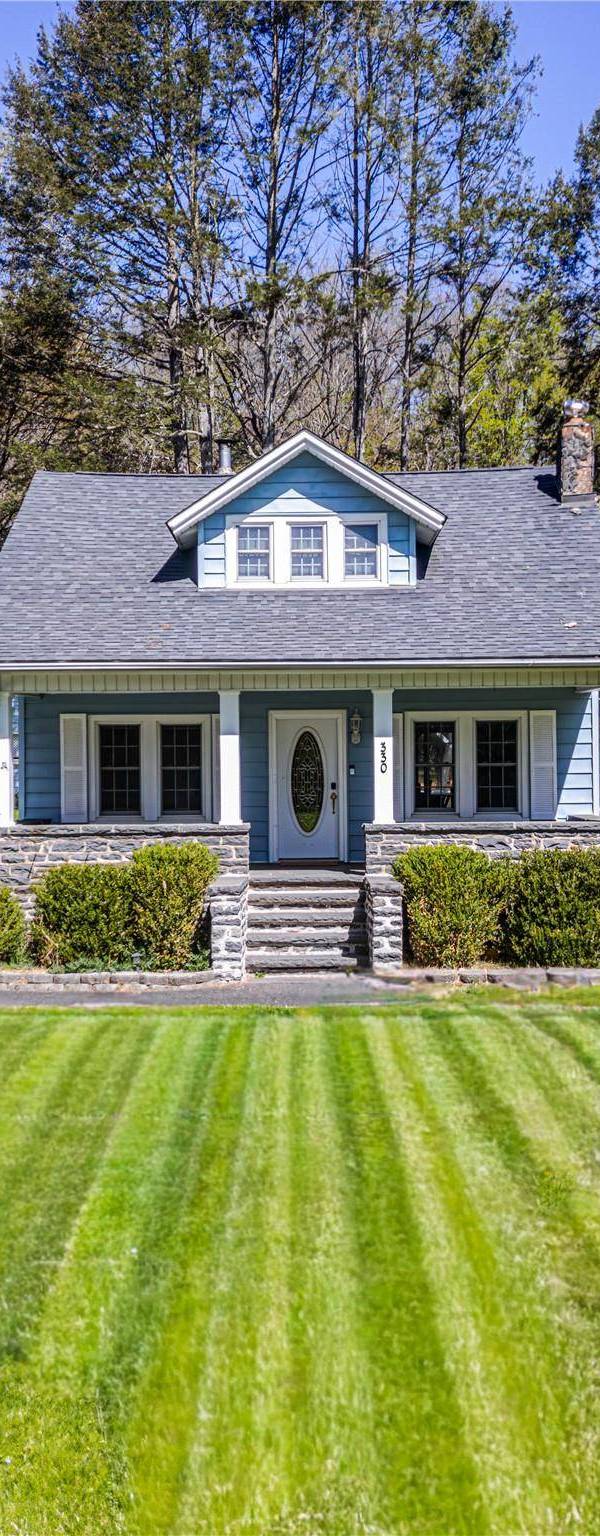
3 Bedroom Home for Sale in Stone Ridge - New York - USA
3 bed • 3 bath • 140.75 m²
$650,000
View property →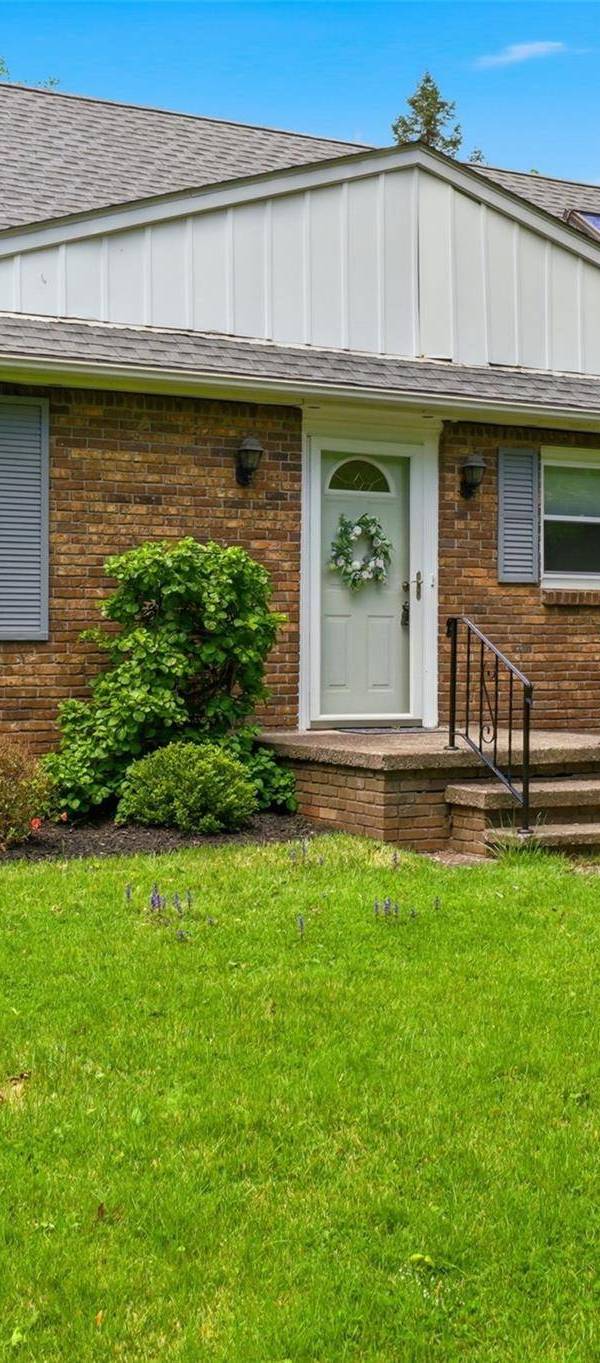
4 Bedroom Home for Sale in Stone Ridge - New York - USA
4 bed • 3 bath • 219.81 m²
$599,000
View property →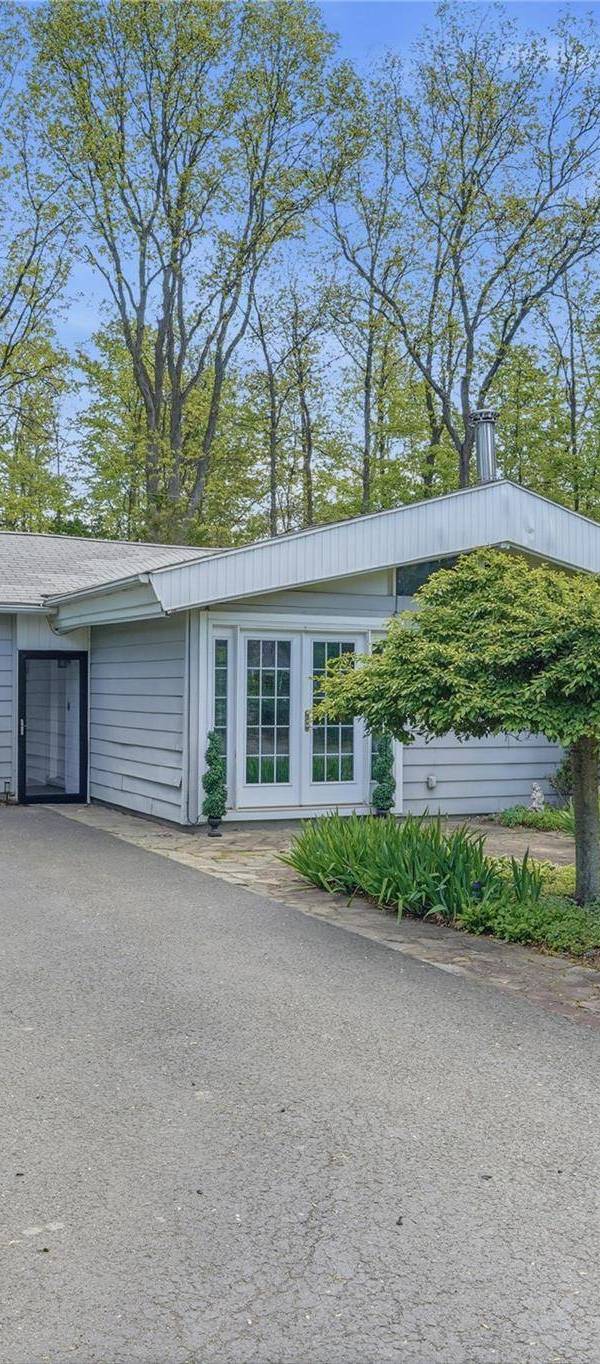
3 Bedroom Home for Sale in Stone Ridge - New York - USA
3 bed • 1 bath • 143.72 m²
$419,900
View property →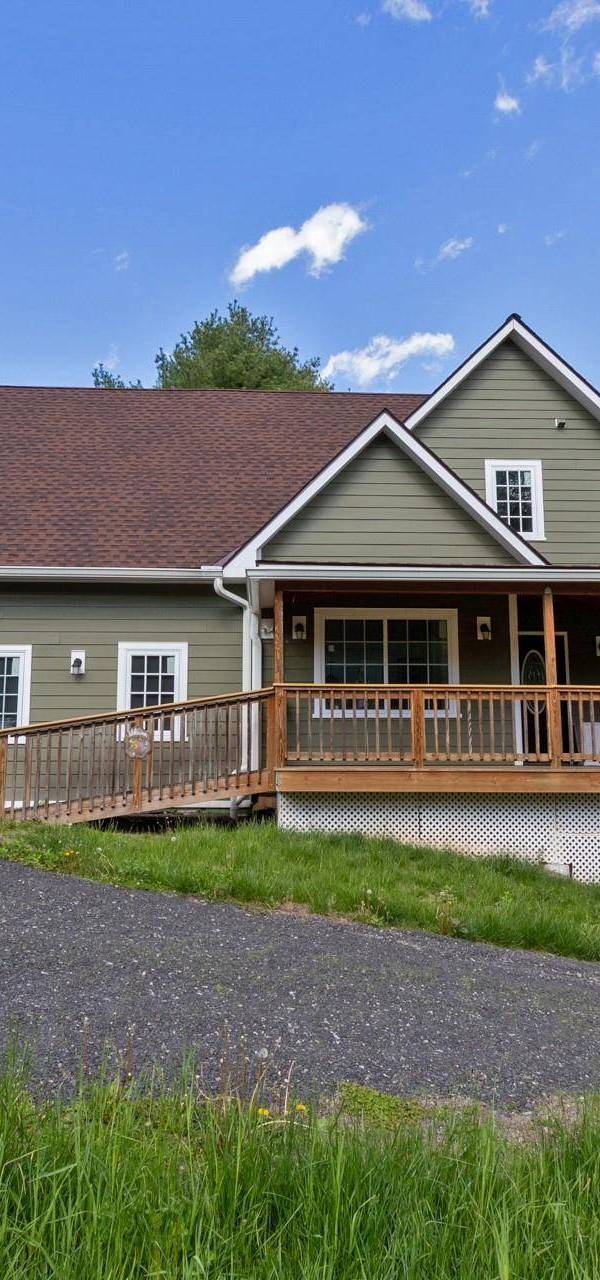
4 Bedroom Home for Sale in Stone Ridge - New York - USA
4 bed • 4 bath • 278.71 m²
$745,000
View property →