Homes for sale in Setúbal
Setúbal, Portugal
About Setúbal
Property for sale in Setúbal: a complete market analysis
Setúbal is probably the widest gap between quality of life and price anywhere in the Lisbon Metropolitan Area. It sits less than 50 kilometres from the capital, has the Serra da Arrábida on its doorstep, one of Europe's finest beaches twenty minutes away, resident dolphins in its estuary — and price per square metre that is a fraction of Lisbon or Cascais. Buyers looking for property for sale in Setúbal — city-centre apartments, Arrábida villas, Azeitão estates or resort apartments in Tróia — will find a market appreciating fast yet still affordable. In our portfolio, apartments range from around €165,000 to €1.2 million; villas and the Azeitão estates go up from there, and there are also building plots and whole buildings for those buying to develop or for income. This analysis covers the areas, prices, rental potential, Portuguese taxation and — frankly — what Setúbal does less well.
Understanding Setúbal: estuary, mountain and a working city
Setúbal is not a tourist town that grew; it is a genuine port city, with a fishing fleet, an active commercial port and an industrial history that still defines its character. That is precisely why it remains affordable — and also why buyers must choose their area far more carefully than in a seaside resort.
The centre and the historic lower town
The lower town holds the older building stock, the Livramento Market — one of the country's most remarkable fish markets, with tiled panels and a local fleet supplying it daily — traditional commerce and urban life. This is where the municipality's cheapest apartments are found, many in buildings that need deep refurbishment. A genuine regeneration movement is under way, but it is uneven: street by street, the condition of the stock changes dramatically.
São Sebastião and the established residential areas
Climbing from the centre, São Sebastião is the residential area most sought after by the local middle class: buildings from recent decades, neighbourhood shops, schools and easier parking. This is where most two- and three-bedroom apartments in good condition are concentrated, and the natural choice for those buying to live in or to let long-term.
The Arrábida slopes and Azeitão
This is the municipality's upper segment. The road climbing into the Serra da Arrábida and the Azeitão area concentrate villas, estates and properties with land, some of them historic. Azeitão is a small gastronomic capital — Azeitão cheese, its pastries, Moscatel wine and historic cellars — and retains a sophisticated rural atmosphere twenty minutes from the centre. Here you buy space, privacy and landscape; you do not buy urban convenience.
Tróia, across the estuary
The Tróia peninsula is a spit of sand facing the city, reached by ferry in about twenty minutes. It has Roman fish-salting ruins, a golf course, a marina and a modern resort with seafront apartments. It is a separate market with its own logic: strong seasonal demand, slower resale and total dependence on the ferry link.
What Setúbal has that Lisbon does not
It is worth being specific, because this is what underpins medium-term value. The Serra da Arrábida is a natural park where limestone mountain falls directly into transparent water — a Mediterranean landscape unusual in Portugal. The beaches of Galapinhos, Galápos, Portinho da Arrábida and Figueirinha rank among the country's finest, and Galapinhos has been voted Europe's best beach. The Sado estuary is home to a resident population of bottlenose dolphins, one of few in Europe and now a tourism asset in its own right. Add the Livramento Market, choco frito (fried cuttlefish) as the emblematic local dish, the São Filipe fortress above the city, and a natural and gastronomic profile no commuter town on the south bank can match.
Access
Setúbal has its own rail link to Lisbon — the Fertagus line, crossing the 25 de Abril bridge and connecting to Pragal, Entrecampos and Roma-Areeiro, with journey times of around 50 to 60 minutes to the capital's centre. By car, the A2 motorway covers the distance in about 40 minutes outside peak hours, and Lisbon airport is 45-60 minutes away. There is also the ferry to Tróia and estuary crossings. This is solid accessibility by south-bank standards — with the important caveat described below regarding rush hour.
Who buys in Setúbal
The profile has changed substantially over the past decade. Alongside the traditional local buyer are now families priced out of Lisbon, trading a two-bedroom flat in the capital for a three-bedroom with a garage here; remote and hybrid professionals, for whom commuting twice a week makes the train perfectly viable; and foreign residents seeking a Portugal with nature, sea and moderate living costs, avoiding the saturation of Lisbon and the Algarve. This accumulated demand explains the rapid appreciation of recent years — and also underpins the local rental market.
Rental potential
Setúbal works mainly in long-term letting, with steady demand from those working in the city, at Autoeuropa and in the regional logistics hub, plus students at the Polytechnic Institute. The yield is less spectacular than holiday letting but carries no seasonality and less wear. Short-term letting exists and is growing, fed by the Arrábida and the dolphins, but it is seasonal and subject to the licensing restrictions described below. Tróia works in reverse: strong in summer, almost dormant in winter.
Points to consider
None of these is a reason to rule Setúbal out, but ignoring them is exactly how people buy badly here.
It is a port and industrial city
This is what most surprises those who know the Arrábida only from photographs. Setúbal has a fully active commercial port, a fishing dock and a significant industrial base. There is even a working cement plant at Outão, inside the natural park's perimeter — a long-standing and locally contested situation that affects the landscape and is the subject of recurring public debate. Depending on the area and the wind, heavy traffic, noise and odours are part of daily life. This is not a resort town and should not be bought as one.
Economic dependence on a single employer
Autoeuropa, in Palmela, is the region's largest industrial employer and one of the country's biggest exporters. That brings stability — but it also concentrates risk: any shock to the European automotive sector feeds directly into local employment, rental demand and prices. It is a structural factor to weigh in a long-term investment.
The bridge and rush hour
The train works well; the car, not always. The 25 de Abril bridge is a classic bottleneck, and at peak times the crossing can easily double journey time. Add the A2 tolls and the daily cost of commuting. Anyone planning to drive into Lisbon every day should do the trip at the real hour before buying.
Neighbourhoods that differ sharply
Setúbal is socially mixed, with established areas and others showing clear shortfalls in infrastructure and maintenance. The difference in atmosphere — and in future appreciation — between adjacent neighbourhoods is greater here than in almost any city in the region. Walking the area at different times of day is indispensable and cannot be replaced by photographs or maps.
Older stock with underestimated refurbishment costs
Much of the cheap supply in the lower town sits in buildings that have gone decades without structural work: damp, end-of-life installations, no lift, roofs needing replacement. The entry price is attractive precisely because the work has not been done. Budget the refurbishment with margin before signing, and confirm whether works have already been voted by the residents' association.
The Arrábida beaches fill up — and access is restricted
This is the direct trade-off of their being so beautiful. In summer, vehicle access to Portinho da Arrábida is restricted, parking is scarce and the beaches frequently reach capacity. Out of season they are a privilege; in August they require planning. Add the wildfire risk typical of a Mediterranean range and the building and works restrictions applying within the natural park, which limit extensions and alterations to properties located there.
Tróia depends on the ferry
The river link conditions everything: timetables, cost, and the sense of isolation outside high season. It is a seasonal market, with lower resale liquidity than the mainland and a small resident community in winter.
Short-term letting is restricted
The framework for local accommodation in Portugal has been tightened, with containment zones and limits on new licences in areas under urban pressure, plus the possibility of opposition from the residents' association. If your investment plan depends on short-term letting, confirm the specific position of the unit and the area before buying — never after.
The property route to the Golden Visa has ended in Portugal
Since October 2023, under the Mais Habitação law, real-estate investment is no longer a route to the Portuguese Golden Visa. Buying a home in Portugal no longer confers residency through that route. Anyone who is not an EU citizen remains subject to the Schengen rule of 90 days in every 180 and must pursue another visa route — the D7 for passive income and the digital nomad visa still exist, with their own requirements. Be wary of any intermediary still selling the golden-visa-through-property argument.
The tax regime for new residents has changed
The Non-Habitual Resident (NHR) regime was closed to new entrants and replaced by a considerably narrower incentive aimed mainly at research and innovation activities. Anyone planning a move on the assumption of the classic NHR should redo the calculations against the current framework, not information from earlier years.
The city itself is not a beach town
The city fronts the estuary and the port, not an ocean beach. The beaches that give Setúbal its fame are 10-20 minutes away by car, in the Arrábida. Anyone imagining waking to white sand from the centre is buying the wrong city.
Portuguese taxation — checklist
On purchase: NIF (tax number) is mandatory; IMT (municipal transfer tax) applies at progressive rates varying with value and purpose — a permanent main home enjoys more favourable bands than a second home; Stamp Duty at 0.8% on the value; deed, registration and lawyer typically add 1-2%. On ownership: annual IMI, calculated on the rateable value at the municipal rate, and AIMI for holdings above the legal threshold per owner; community fees where applicable. On income: rental income of non-residents is taxed at a special rate of 25%, with documented property-related expenses deductible. On sale: capital gains — non-residents in the EU/EEA now fall under the same framework as residents, with 50% of the gain subject to tax at progressive rates, following a significant legislative change in this area. Inheritance: there is no inheritance tax between spouses, descendants and ascendants; for others, Stamp Duty of 10% applies. Always confirm the specific position with an accountant, as Portuguese taxation has been amended frequently.
Who Setúbal suits — and who it does not
It suits
Those wanting the Lisbon Metropolitan Area at provincial prices, with a direct train and exceptional nature on the doorstep; families trading floor area for proximity to the capital; hybrid or remote professionals who need Lisbon only two or three times a week; lovers of the sea, diving, sailing and nature, for the Arrábida and the estuary; those seeking long-term letting with steady demand; and those buying to refurbish, since there is well-located older stock with real upside after works.
It does not suit
Those wanting a tourist beach town without industry — that is the Algarve or Costa da Caparica; those needing to be in Lisbon daily by car at peak hours; those seeking the international luxury segment with immediate liquidity, which in Portugal concentrates in Lisbon, Cascais and the Algarve's Golden Triangle; anyone counting on a Golden Visa through property purchase, which no longer exists; and anyone unwilling to study the area neighbourhood by neighbourhood before deciding.
Setúbal compared with other locations
vs Lisbon: Setúbal costs a fraction and delivers space, nature and parking; Lisbon delivers employment, culture and far greater resale liquidity. vs Almada and Costa da Caparica: these sit closer to the bridge and have extensive ocean beach, but lack the Arrábida and the character of a city in its own right — Setúbal is a district capital with full services. vs Cascais: the opposite proposition — Cascais is the established, expensive international market; Setúbal is value with nature. vs the Algarve: the Algarve has more sun, more tourism infrastructure and a more liquid international market; Setúbal has price, proximity to the capital and less seasonality. vs Palmela and Azeitão: more rural and residential, with estates and vineyards; Setúbal is the city that supplies them with services, a hospital and a railway.
Specific due diligence in Setúbal
Request the permanent land registry certificate and confirm charges, mortgages and title; check the tax property record and whether the registered area and typology match reality — discrepancies are frequent in older stock. Require the usage licence and, for construction after 2004, the housing technical file. In older lower-town buildings, assess structure, roofs and damp with a surveyor, and request the residents' association minutes from recent years to identify approved works and outstanding fees. If the property lies within the Arrábida Natural Park, confirm the constraints on building, extension and alteration before assuming any project — they are restrictive and prevail over commercial expectations. Check the property's position under the municipal master plan and, if you plan short-term letting, the local accommodation regime applying to the area and the building. In Tróia, factor ferry timetables and costs into the yield analysis. Always instruct an independent lawyer or licensed conveyancer, never the one recommended by the selling side.
Final considerations
Setúbal is one of the few Portuguese cities where you can still buy first-rate nature at working-city prices. The Arrábida, the dolphin estuary, the market, the food and the train to Lisbon form a combination no other city on the south bank assembles. In return, the buyer must accept what Setúbal also is: an active port, a city with industry, with uneven neighbourhoods and a historic centre still halfway through its recovery. It is precisely that dual nature that explains the price — and it is why, here, the choice of neighbourhood and building weighs more heavily on the decision than the choice of city. The points to consider above do not disqualify Setúbal; they describe the map used by those who buy well within it.
When you contact us through a property page, we forward your enquiry to our partner broker, who holds the full information on that specific property — the Alojamento Local short-term rental licence where one exists, condominium charges, registry status and negotiation terms.
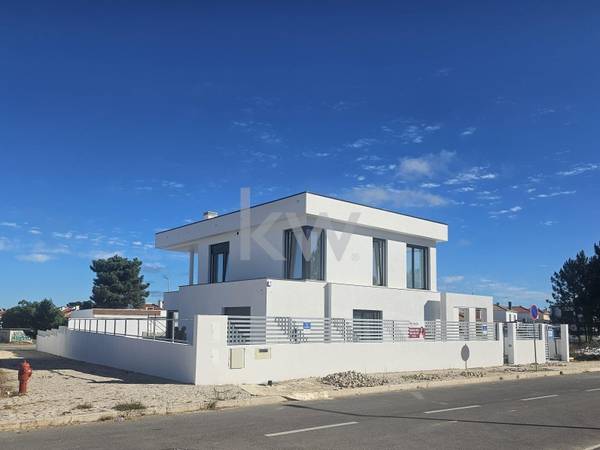
Off-Plan 4 Bedroom House for Sale in Setúbal - Portugal
4 bed • 4 bath • 187 m²
€840,000
View property →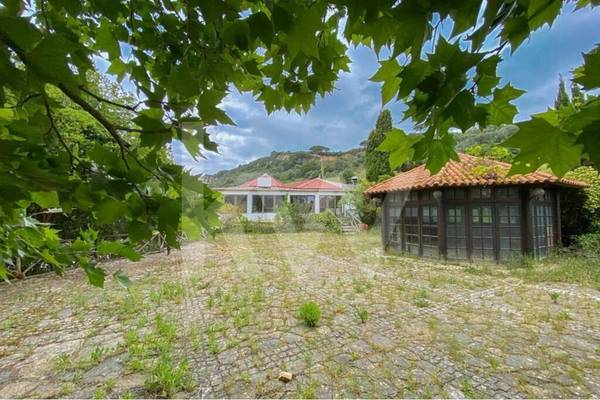
Retail Unit for Sale in Setúbal - Portugal
8 bath • 287.44 m²
€835,000
View property →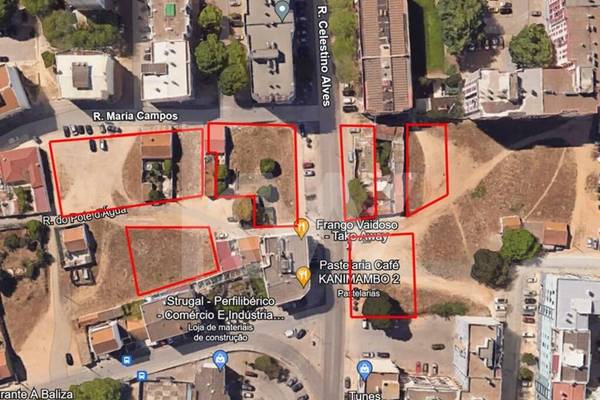
Land Plot for Sale in Setúbal - Portugal
5056 m²
€1,470,000
View property →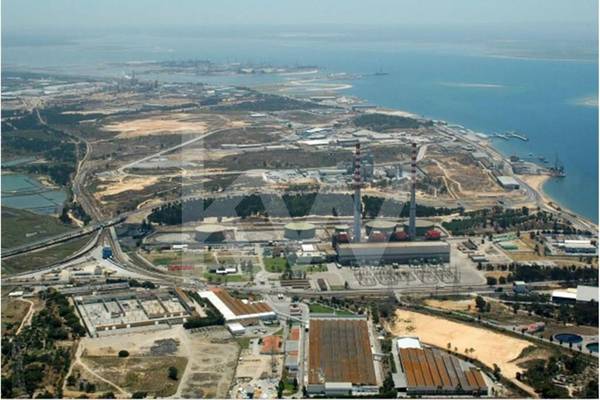
Land Plot for Sale in Setúbal - Portugal
14565 m²
€531,000
View property →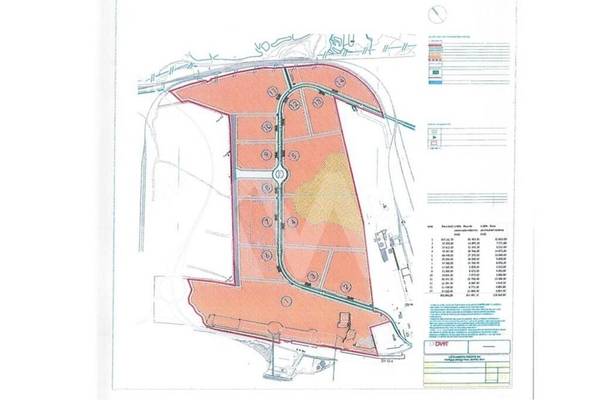
Land Plot for Sale in Setúbal - Portugal
25000 m²
€907,000
View property →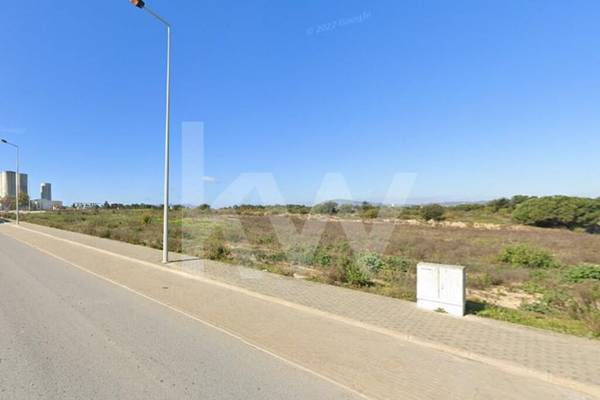
Land Plot for Sale in Setúbal - Portugal
34266 m²
€1,262,000
View property →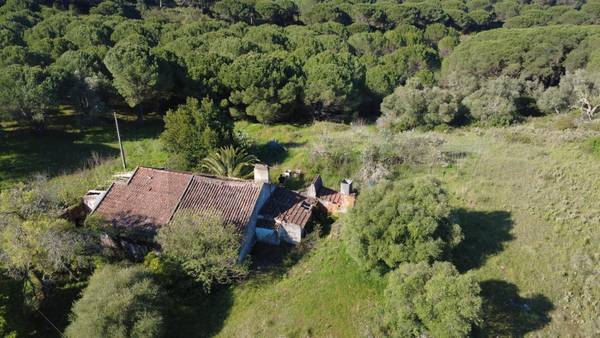
4 Bedroom Country Estate for Sale in Setúbal - Portugal
4 bed • 1 bath • 200000 m²
€900,000
View property →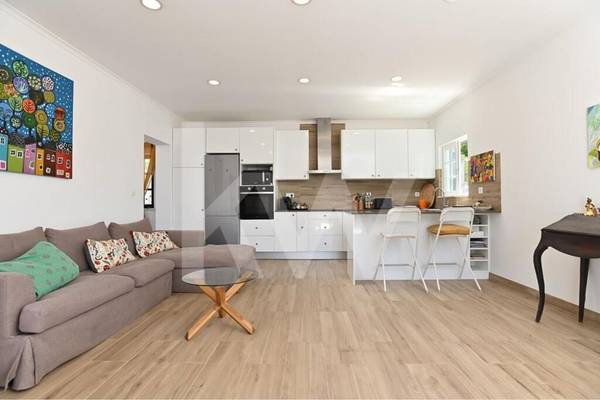
5 Bedroom House for Sale in Setúbal - Portugal
5 bed • 5 bath • 172.98 m²
€645,000
View property →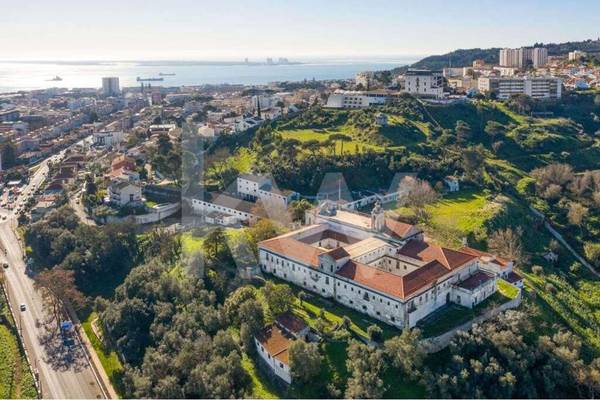
5 Bedroom Country Estate for Sale in Setúbal - Portugal
5 bed • 30 bath • 45080 m²
€5,000,000
View property →
Land Plot for Sale in Setúbal - Portugal
15750 m²
€350,000
View property →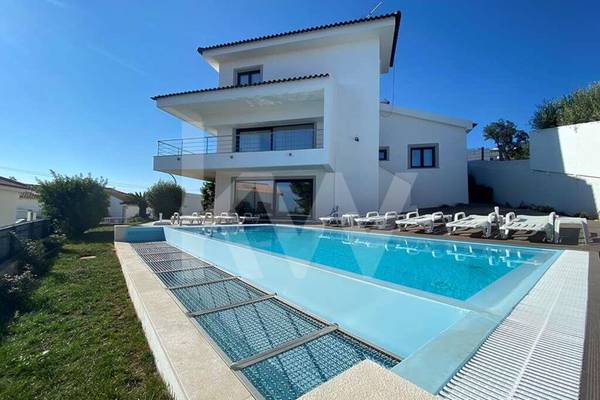
5 Bedroom House for Sale in Setúbal - Portugal
6 bed • 5 bath • 463 m²
€1,750,000
View property →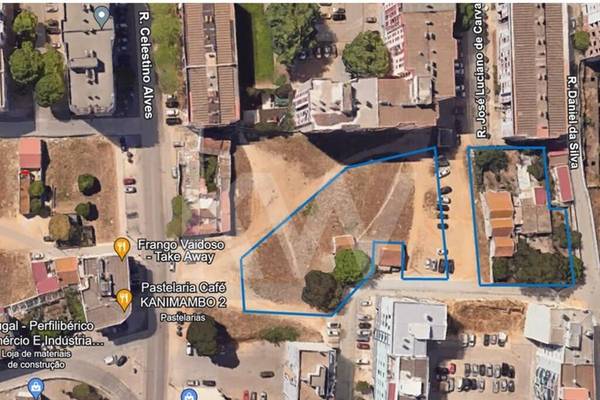
Land Plot for Sale in Setúbal - Portugal
3737 m²
€990,000
View property →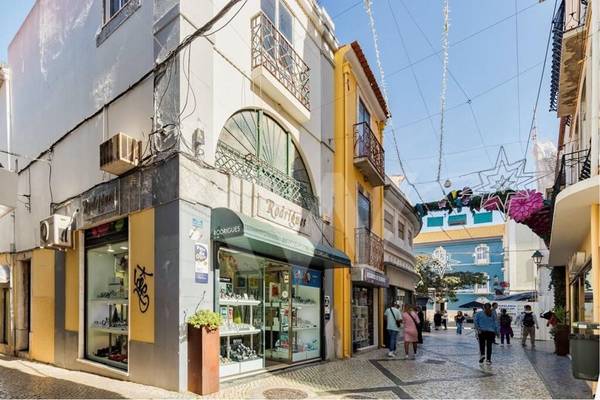
Building for Sale in Setúbal - Portugal
2 bath • 73 m²
€339,000
View property →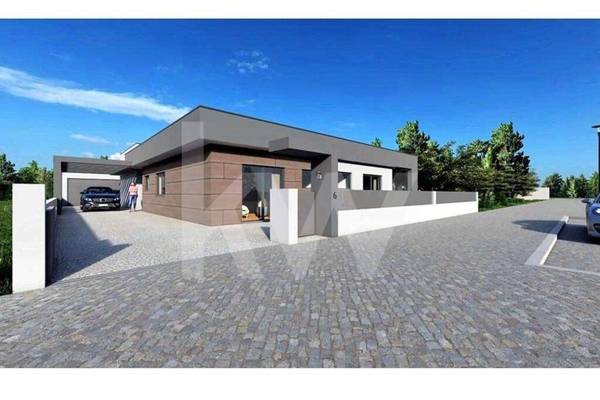
Off-Plan 5 Bedroom House for Sale in Setúbal - Portugal
5 bed • 8 bath • 277 m²
€990,000
View property →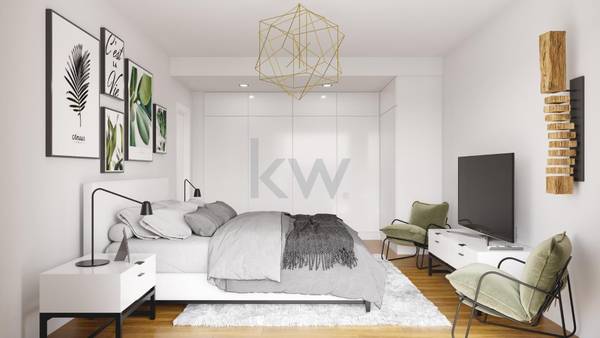
Off-Plan 4 Bedroom Apartment for Sale in Setúbal - Portugal
4 bed • 4 bath • 134.93 m²
€632,400
View property →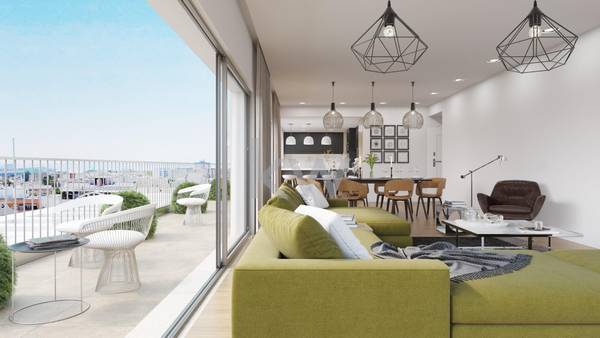
Off-Plan 2 Bedroom Apartment for Sale in Setúbal - Portugal
2 bed • 2 bath • 90.2 m²
€412,080
View property →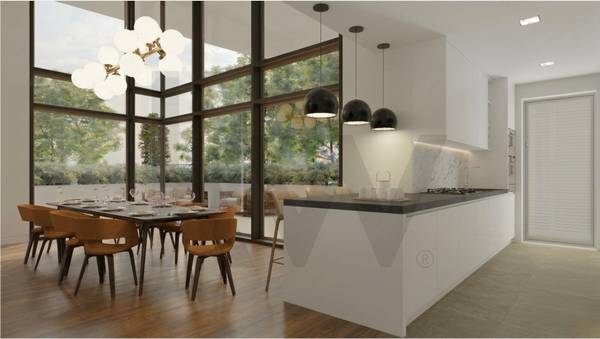
Off-Plan 3 Bedroom Apartment for Sale in Setúbal - Portugal
3 bed • 2 bath • 101.05 m²
€474,300
View property →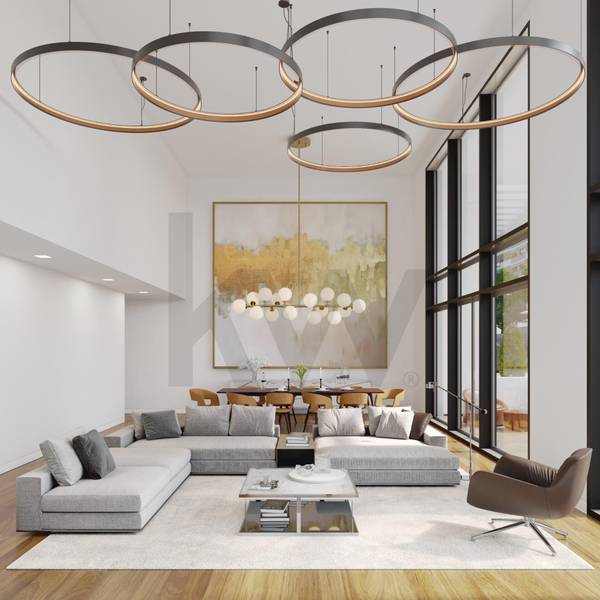
Off-Plan 4 Bedroom Apartment for Sale in Setúbal - Portugal
4 bed • 4 bath • 135.07 m²
€632,400
View property →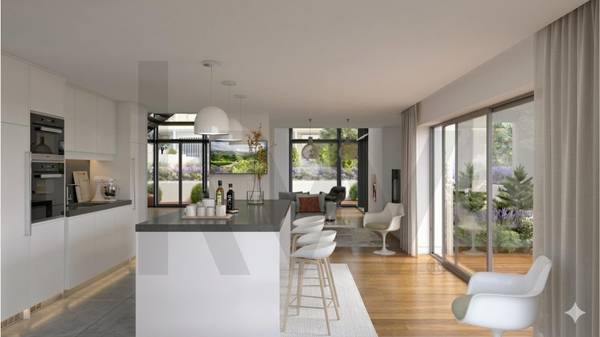
Off-Plan 3 Bedroom Apartment for Sale in Setúbal - Portugal
3 bed • 2 bath • 101.05 m²
€474,300
View property →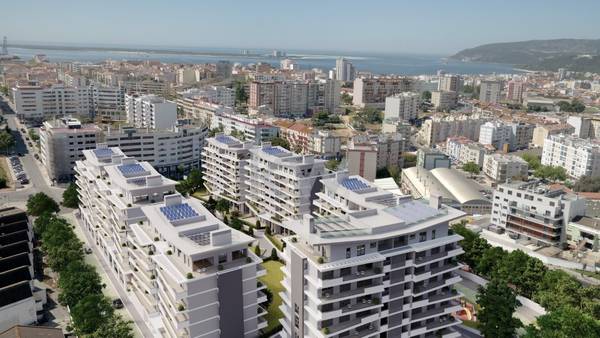
Off-Plan 4 Bedroom Apartment for Sale in Setúbal - Portugal
4 bed • 4 bath • 134.77 m²
€632,400
View property →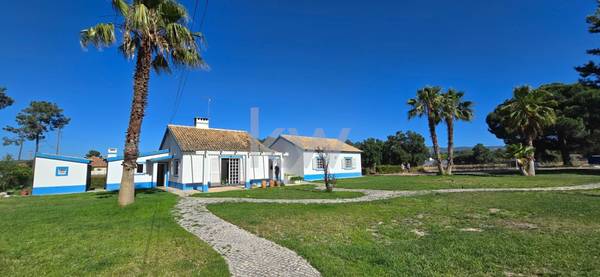
4 Bedroom Country Estate for Sale in Setúbal - Portugal
4 bed • 3 bath • 29500 m²
€1,600,000
View property →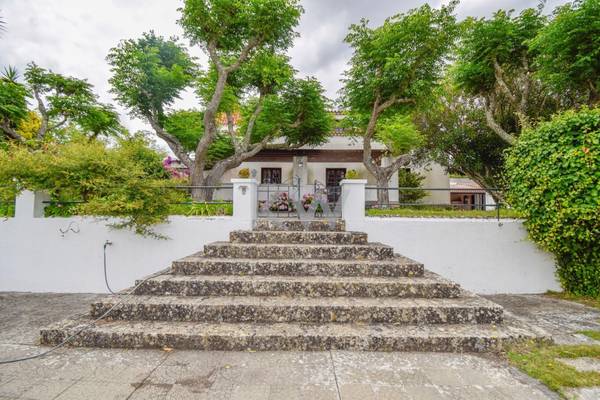
5 Bedroom Country Estate for Sale in Setúbal - Portugal
5 bed • 6 bath • 5744 m²
€1,390,000
View property →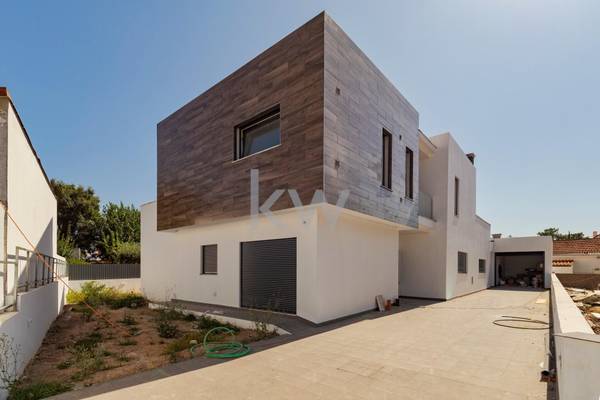
Off-Plan 5 Bedroom House for Sale in Setúbal - Portugal
5 bed • 5 bath • 180 m²
€780,000
View property →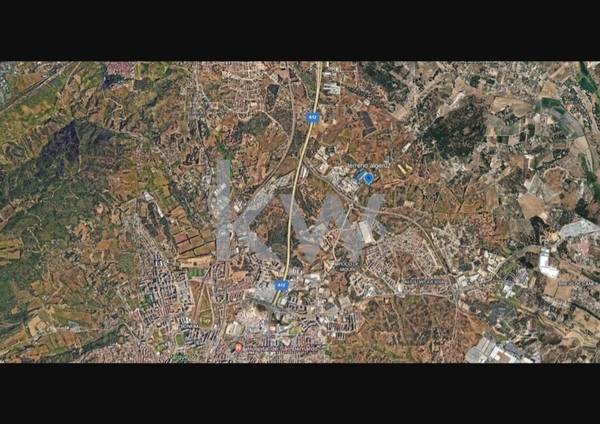
Land Plot for Sale in Setúbal - Portugal
5000 m²
€750,000
View property →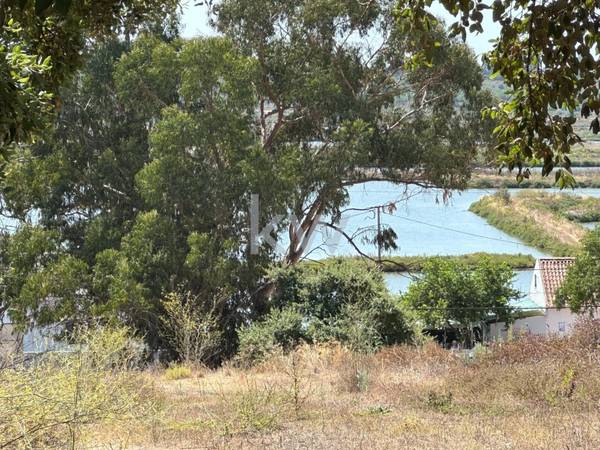
Land Plot for Sale in Setúbal - Portugal
20160 m²
€1,920,000
View property →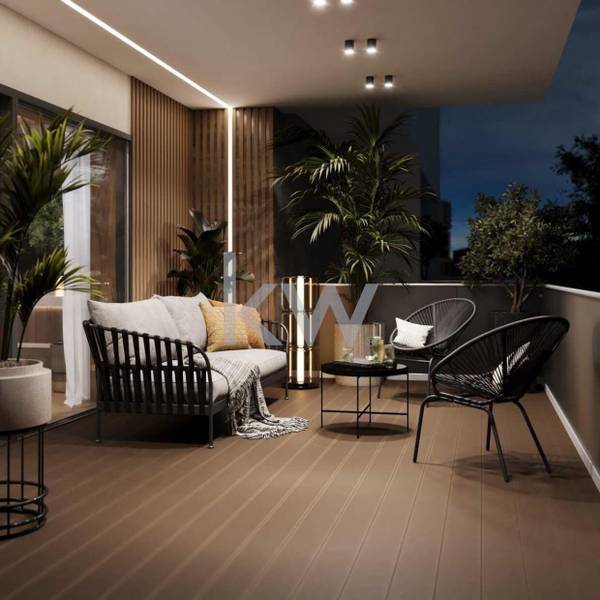
Off-Plan 1 Bedroom Apartment for Sale in Setúbal - Portugal
1 bed • 92.55 m²
€335,000
View property →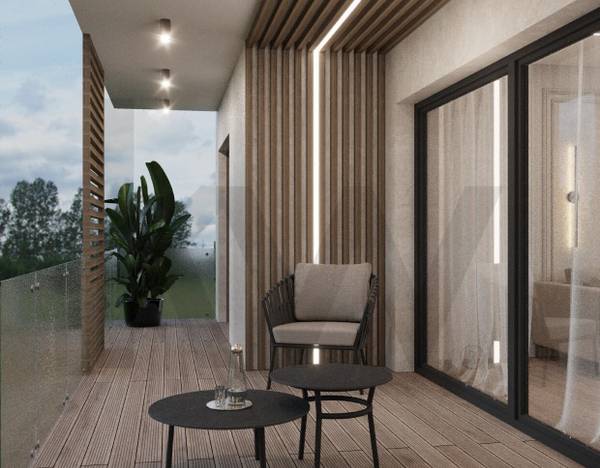
Off-Plan 3 Bedroom Apartment for Sale in Setúbal - Portugal
3 bed • 2 bath • 145.57 m²
€435,000
View property →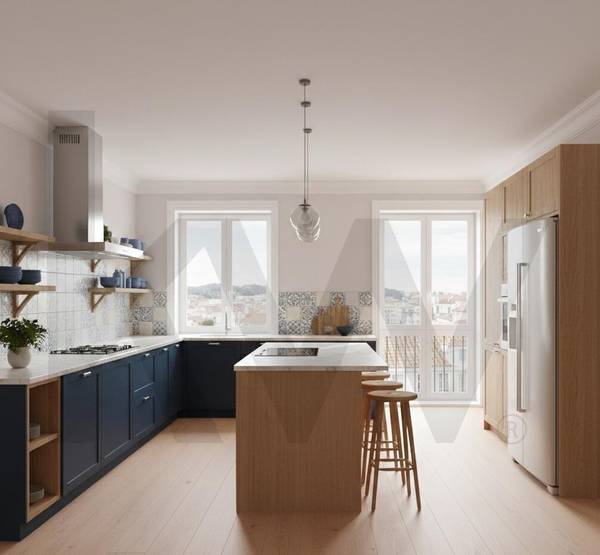
3 Bedroom Apartment for Sale in Setúbal - Portugal
3 bed • 2 bath • 170 m²
€490,000
View property →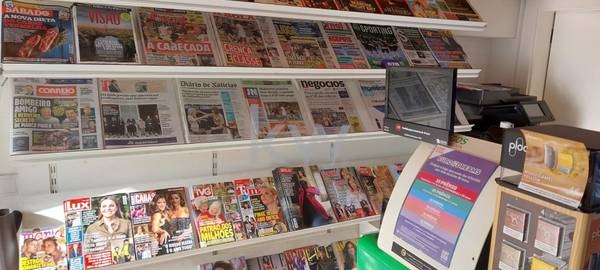
Retail Unit for Sale in Setúbal - Portugal
1 bath • 16.5 m²
€265,000
View property →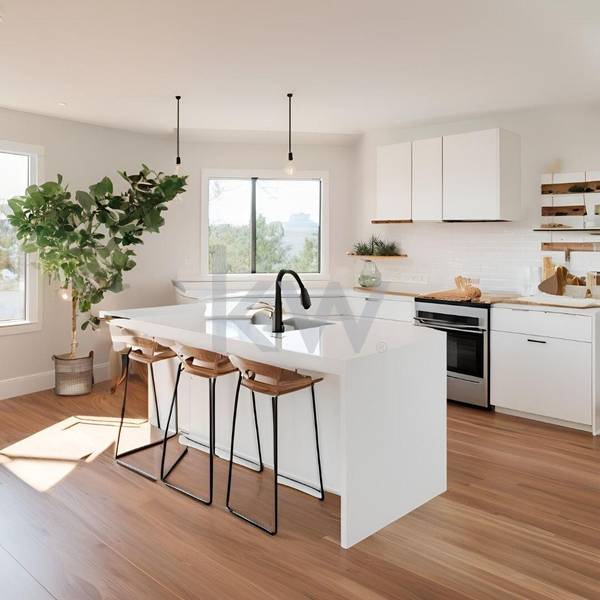
3 Bedroom Apartment for Sale in Setúbal - Portugal
3 bed • 1 bath • 140 m²
€450,000
View property →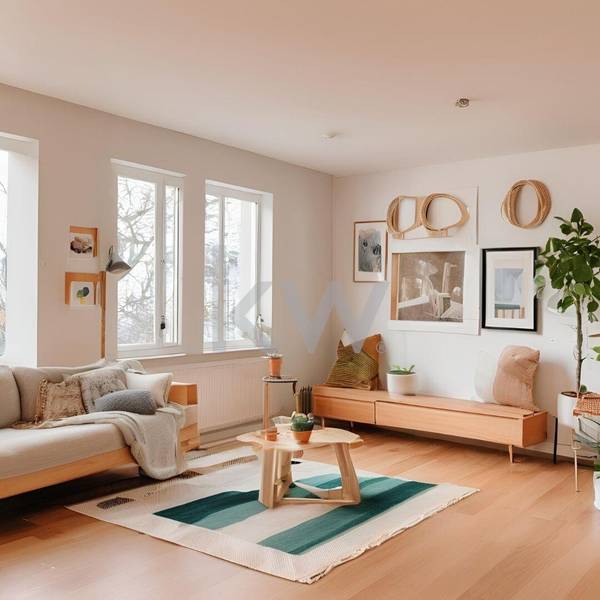
2 Bedroom Apartment for Sale in Setúbal - Portugal
2 bed • 1 bath • 118 m²
€330,000
View property →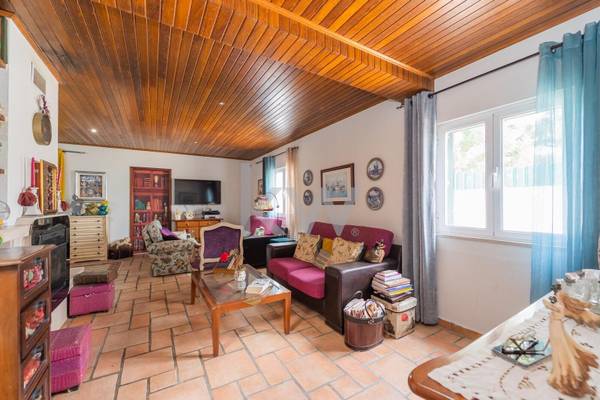
4 Bedroom House for Sale in Setúbal - Portugal
4 bed • 2 bath • 160 m²
€610,000
View property →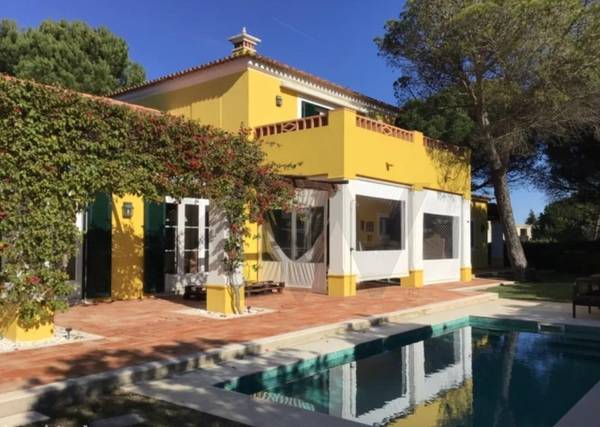
5 Bedroom House for Sale in Setúbal - Portugal
5 bed • 4 bath • 309 m²
€2,248,000
View property →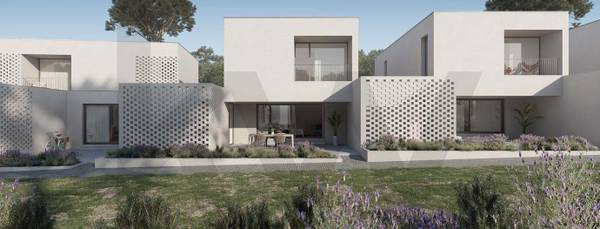
3 Bedroom House for Sale in Setúbal - Portugal
3 bed • 138 m²
€550,000
View property →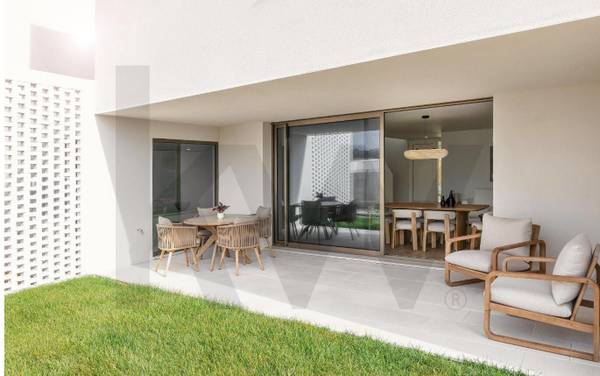
3 Bedroom House for Sale in Setúbal - Portugal
3 bed • 131 m²
€495,000
View property →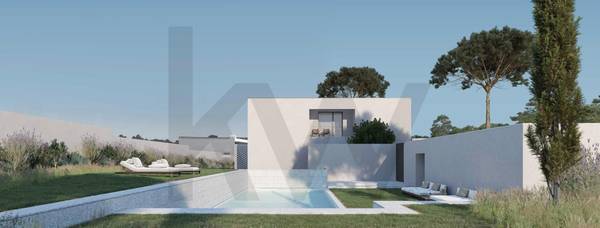
4 Bedroom House for Sale in Setúbal - Portugal
4 bed • 154 m²
€625,000
View property →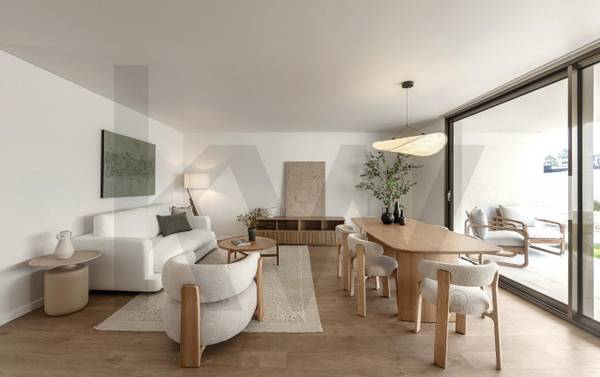
3 Bedroom House for Sale in Setúbal - Portugal
3 bed • 138 m²
€500,000
View property →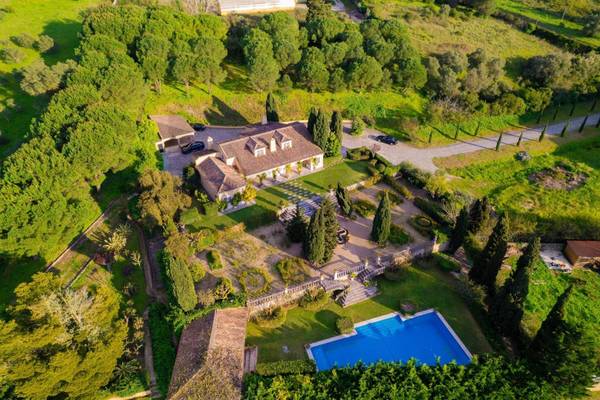
4 Bedroom Country Estate for Sale in Setúbal - Portugal
4 bed • 4 bath • 34600 m²
€2,980,000
View property →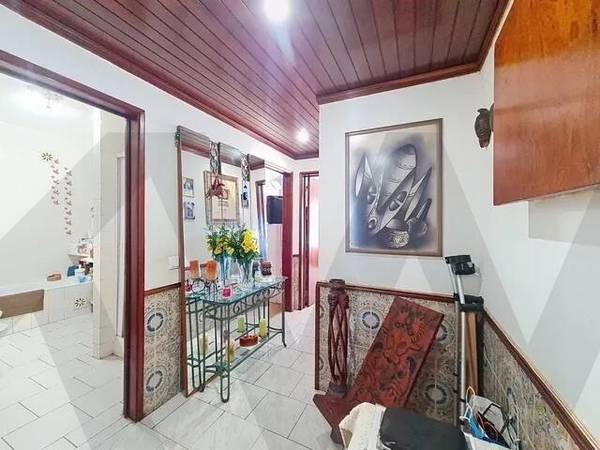
2 Bedroom Apartment for Sale in Setúbal - Portugal
2 bed • 1 bath • 85 m²
€269,000
View property →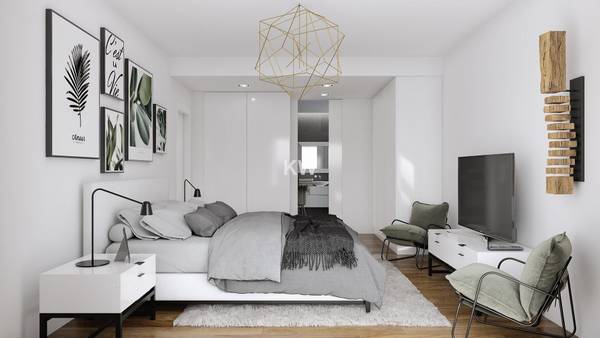
Off-Plan 3 Bedroom Apartment for Sale in Setúbal - Portugal
3 bed • 2 bath • 102.83 m²
€481,440
View property →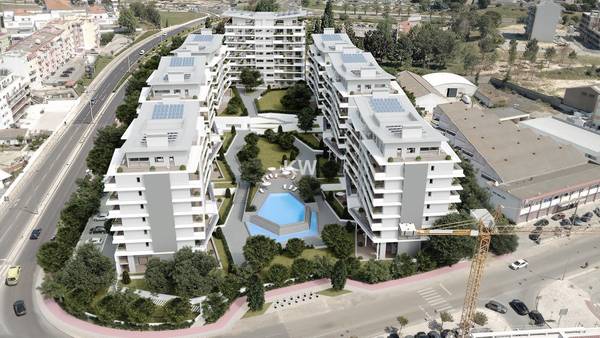
Off-Plan 3 Bedroom Apartment for Sale in Setúbal - Portugal
3 bed • 2 bath • 102.83 m²
€504,900
View property →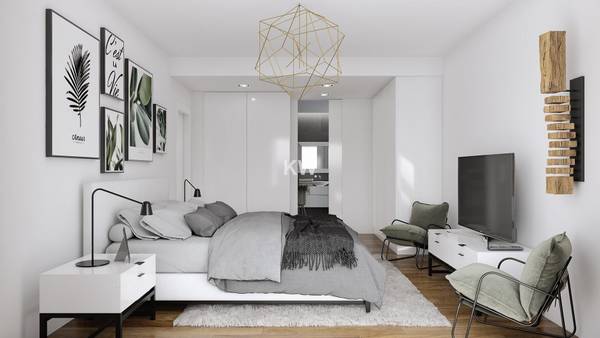
Off-Plan 3 Bedroom Apartment for Sale in Setúbal - Portugal
3 bed • 2 bath • 101.05 m²
€496,740
View property →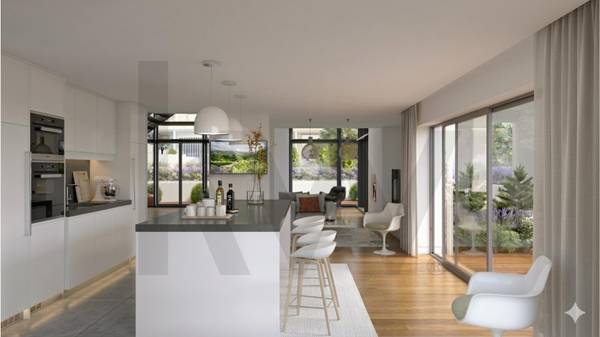
Off-Plan 3 Bedroom Apartment for Sale in Setúbal - Portugal
3 bed • 2 bath • 102.59 m²
€527,340
View property →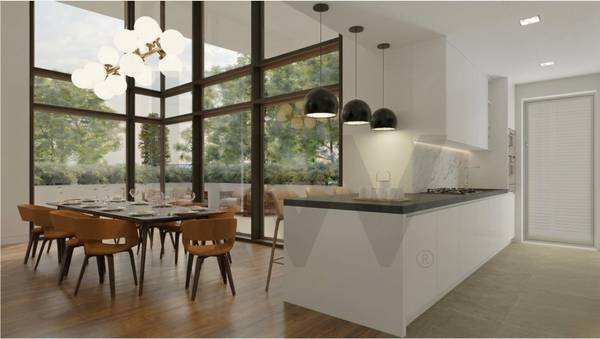
Off-Plan 3 Bedroom Apartment for Sale in Setúbal - Portugal
3 bed • 2 bath • 100.73 m²
€519,180
View property →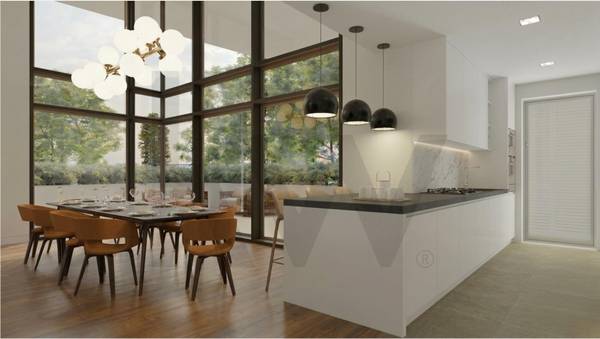
Off-Plan 3 Bedroom Apartment for Sale in Setúbal - Portugal
3 bed • 2 bath • 100.74 m²
€504,900
View property →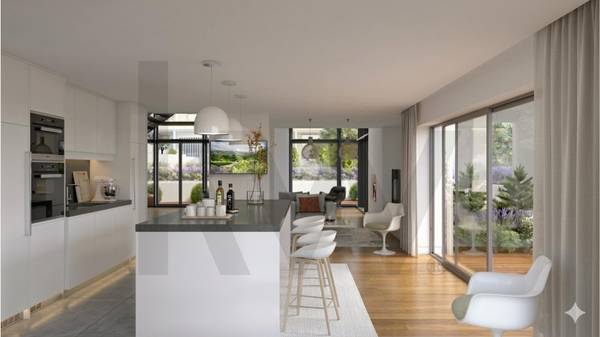
Off-Plan 3 Bedroom Apartment for Sale in Setúbal - Portugal
3 bed • 2 bath • 100.7 m²
€519,180
View property →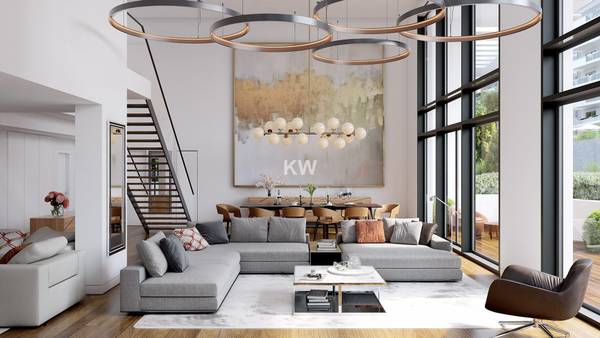
Off-Plan 2 Bedroom Apartment for Sale in Setúbal - Portugal
2 bed • 2 bath • 89.75 m²
€441,660
View property →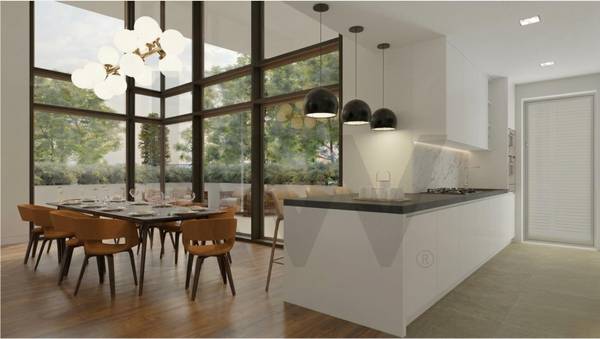
Off-Plan 3 Bedroom Apartment for Sale in Setúbal - Portugal
3 bed • 2 bath • 100.7 m²
€504,900
View property →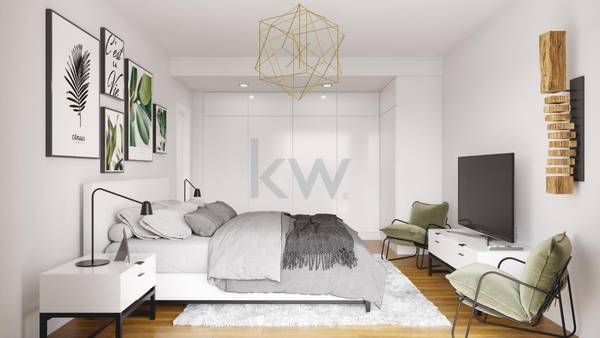
Off-Plan 2 Bedroom Apartment for Sale in Setúbal - Portugal
2 bed • 2 bath • 89.75 m²
€431,460
View property →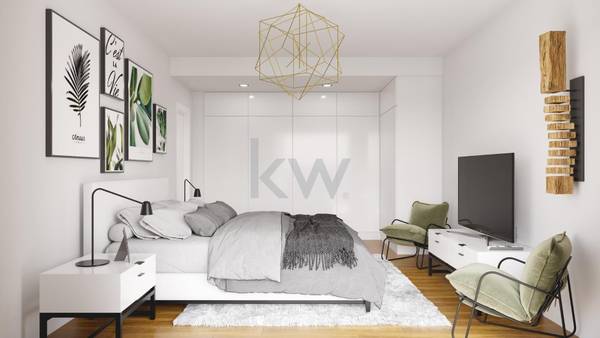
Off-Plan 2 Bedroom Apartment for Sale in Setúbal - Portugal
2 bed • 2 bath • 90.02 m²
€431,460
View property →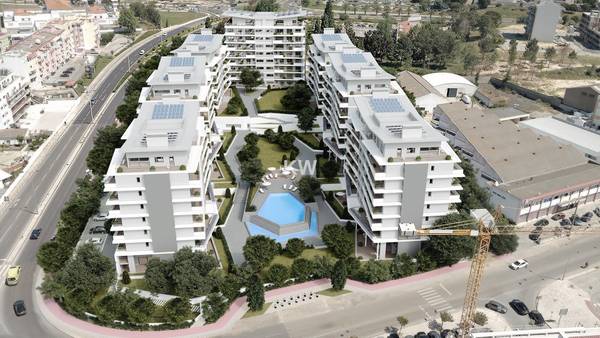
Off-Plan 3 Bedroom Apartment for Sale in Setúbal - Portugal
3 bed • 2 bath • 102.93 m²
€527,340
View property →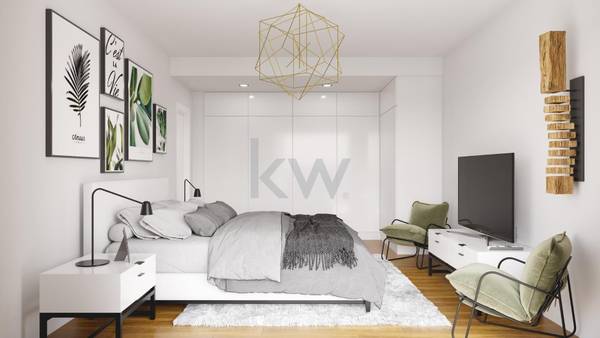
Off-Plan 2 Bedroom Apartment for Sale in Setúbal - Portugal
2 bed • 2 bath • 90.2 m²
€431,460
View property →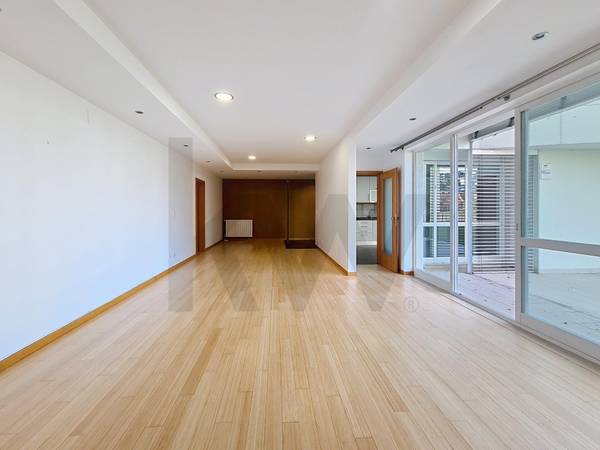
3 Bedroom Apartment for Sale in Setúbal - Portugal
3 bed • 3 bath • 141 m²
€440,000
View property →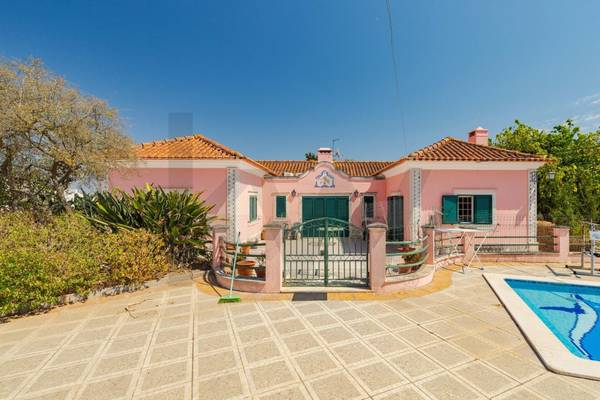
5 Bedroom Country Estate for Sale in Setúbal - Portugal
5 bed • 5 bath • 20000 m²
€1,200,000
View property →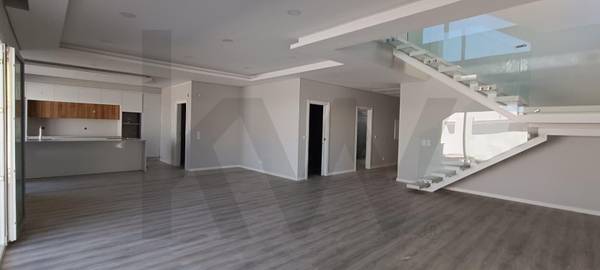
Off-Plan 4 Bedroom House for Sale in Setúbal - Portugal
4 bed • 243 m²
€730,000
View property →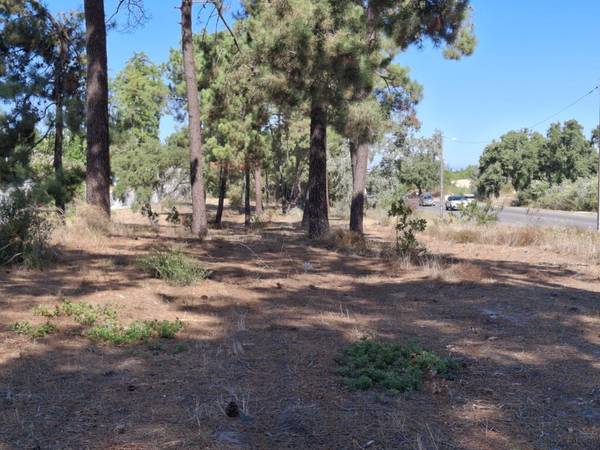
Land Plot for Sale in Setúbal - Portugal
35173 m²
€550,000
View property →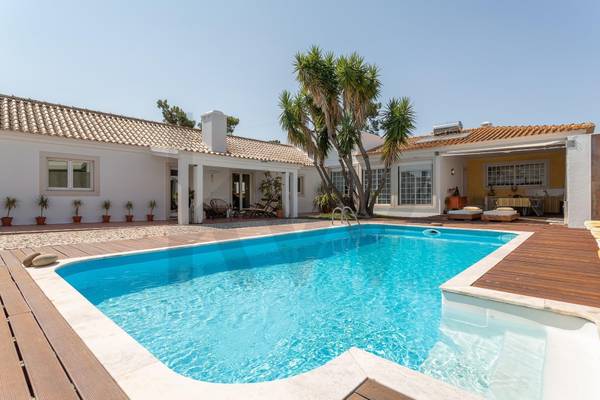
3 Bedroom House for Sale in Setúbal - Portugal
3 bed • 3 bath • 169.13 m²
€810,000
View property →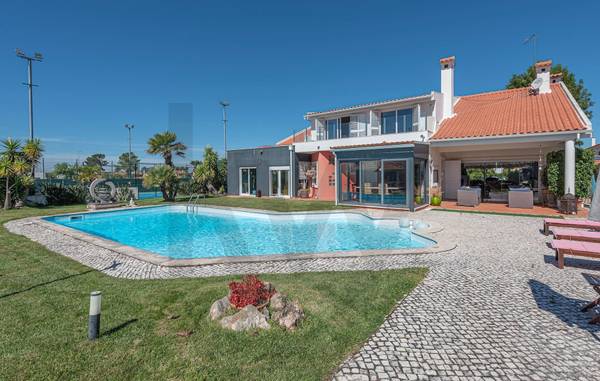
5 Bedroom House for Sale in Setúbal - Portugal
5 bed • 4 bath • 361.5 m²
€1,400,000
View property →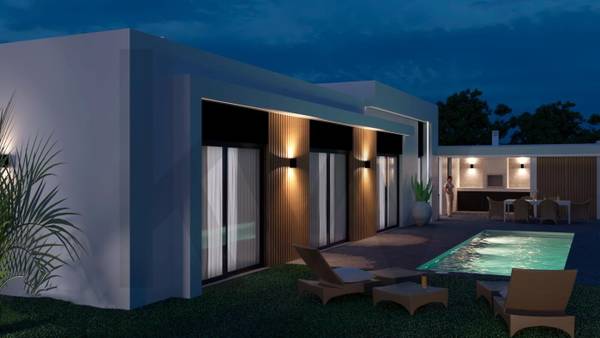
4 Bedroom House for Sale in Setúbal - Portugal
4 bed • 4 bath • 187 m²
€820,000
View property →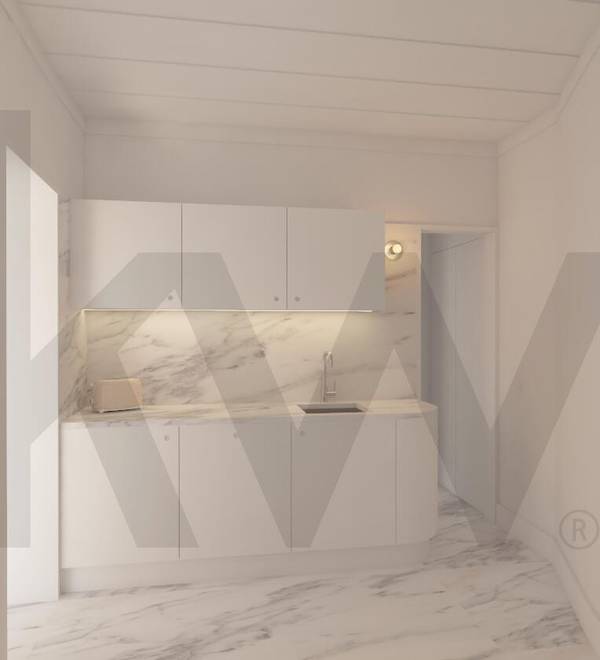
1 Bedroom Apartment for Sale in Setúbal - Portugal
1 bed • 44 m²
€255,000
View property →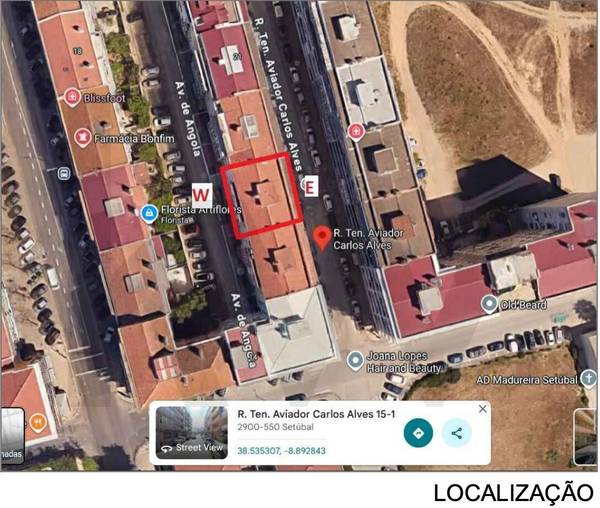
2 Bedroom Apartment for Sale in Setúbal - Portugal
2 bed • 1 bath • 66.6 m²
€165,000
View property →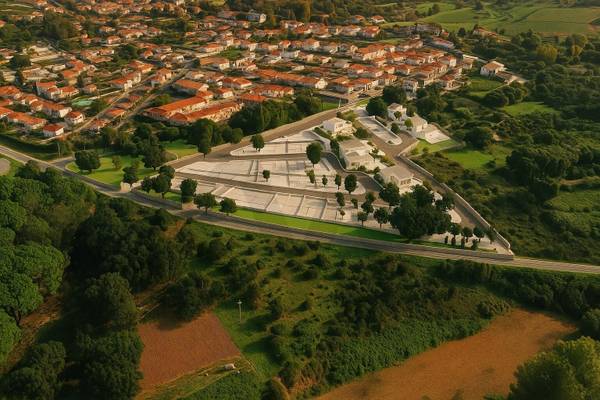
Land Plot for Sale in Setúbal - Portugal
39459.99 m²
€3,250,000
View property →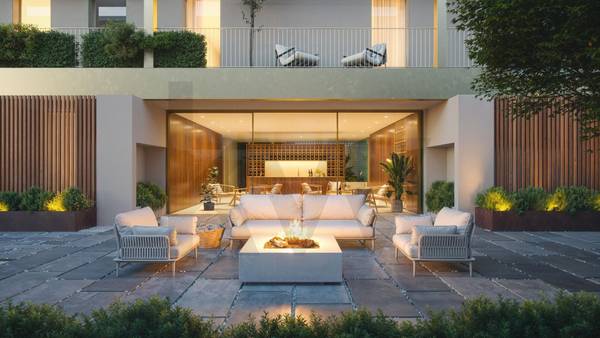
Off-Plan 2 Bedroom Apartment for Sale in Setúbal - Portugal
2 bed • 3 bath • 93.8 m²
€460,000
View property →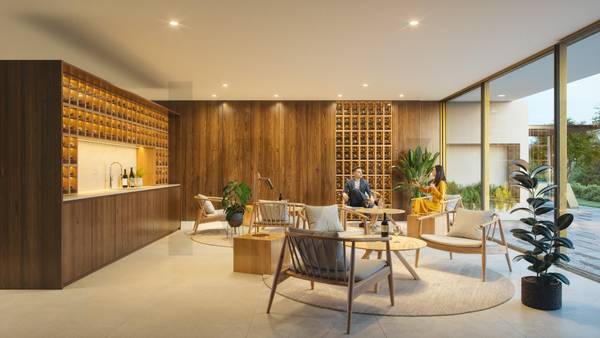
Off-Plan 3 Bedroom Apartment for Sale in Setúbal - Portugal
3 bed • 3 bath • 126.9 m²
€530,000
View property →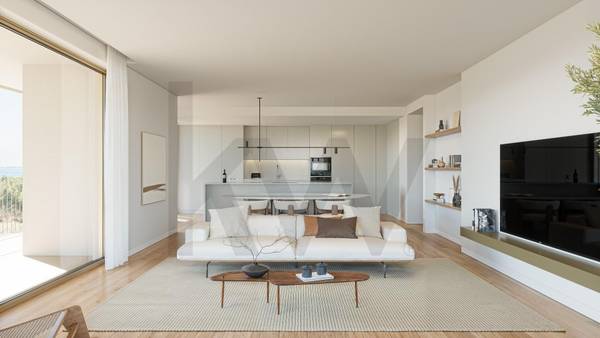
2 Bedroom Apartment for Sale in Setúbal - Portugal
2 bed • 2 bath • 82.2 m²
€395,000
View property →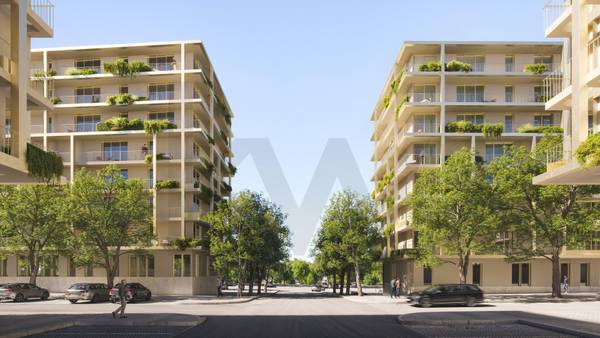
Off-Plan 3 Bedroom Apartment for Sale in Setúbal - Portugal
3 bed • 3 bath • 126.9 m²
€520,000
View property →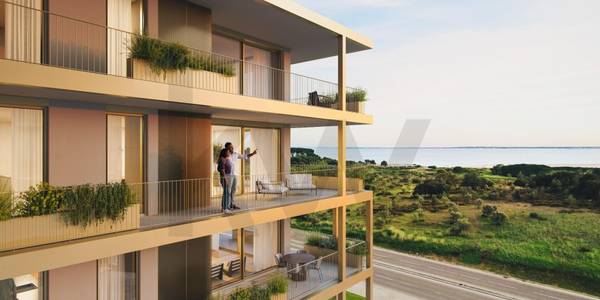
Off-Plan 2 Bedroom Apartment for Sale in Setúbal - Portugal
2 bed • 3 bath • 93.8 m²
€450,000
View property →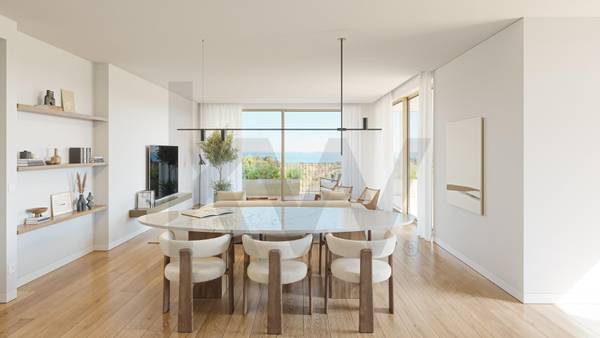
3 Bedroom Apartment for Sale in Setúbal - Portugal
3 bed • 3 bath • 117.7 m²
€495,000
View property →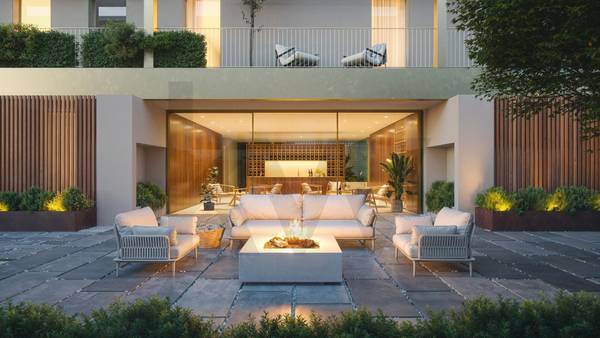
Off-Plan 3 Bedroom Apartment for Sale in Setúbal - Portugal
3 bed • 3 bath • 137.1 m²
€610,000
View property →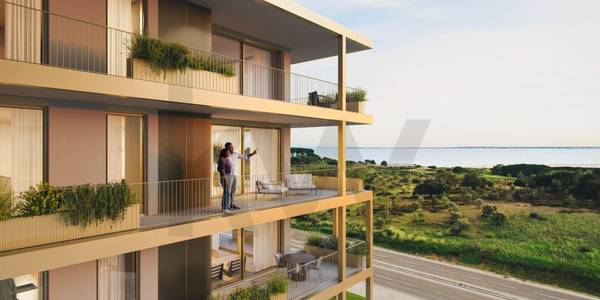
Off-Plan 3 Bedroom Apartment for Sale in Setúbal - Portugal
3 bed • 3 bath • 126.9 m²
€550,000
View property →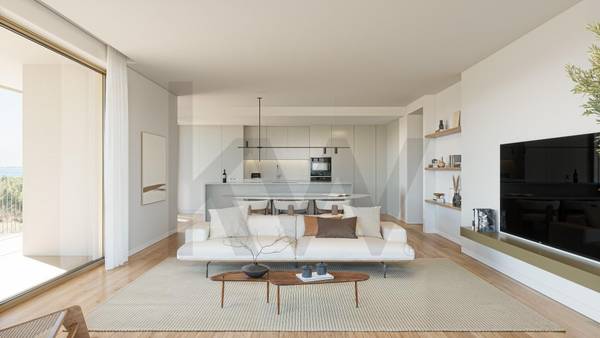
Off-Plan 4 Bedroom Apartment for Sale in Setúbal - Portugal
4 bed • 3 bath • 154.5 m²
€900,000
View property →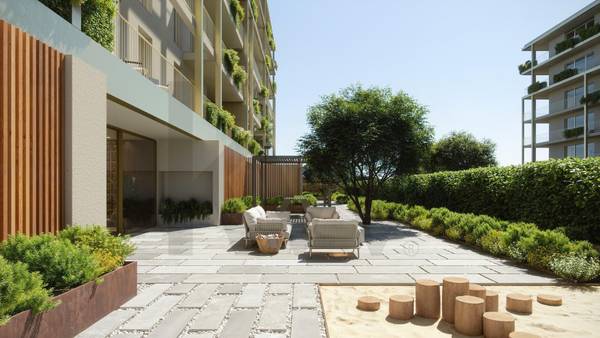
Off-Plan 2 Bedroom Apartment for Sale in Setúbal - Portugal
2 bed • 3 bath • 97.6 m²
€440,000
View property →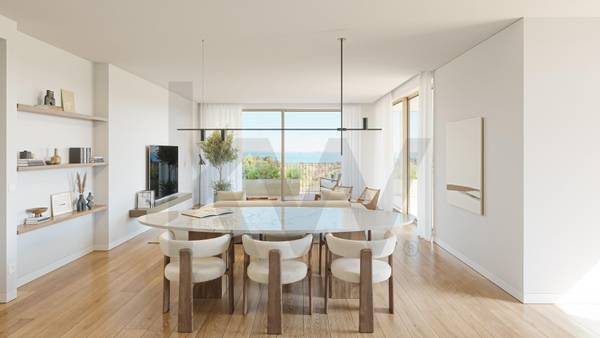
Off-Plan 3 Bedroom Apartment for Sale in Setúbal - Portugal
3 bed • 3 bath • 126.9 m²
€530,000
View property →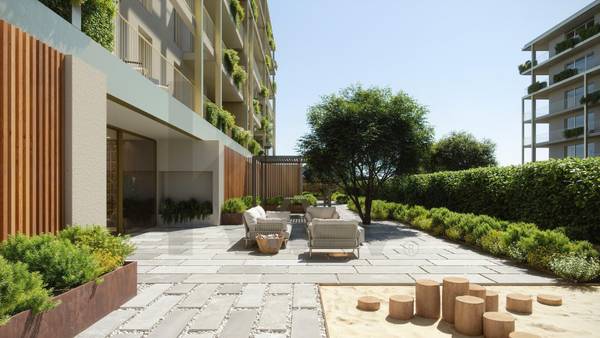
Off-Plan 3 Bedroom Apartment for Sale in Setúbal - Portugal
3 bed • 3 bath • 126.9 m²
€540,000
View property →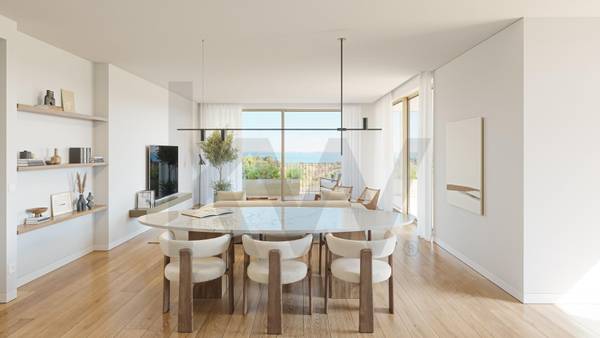
1 Bedroom Apartment for Sale in Setúbal - Portugal
1 bed • 1 bath • 56.9 m²
€310,000
View property →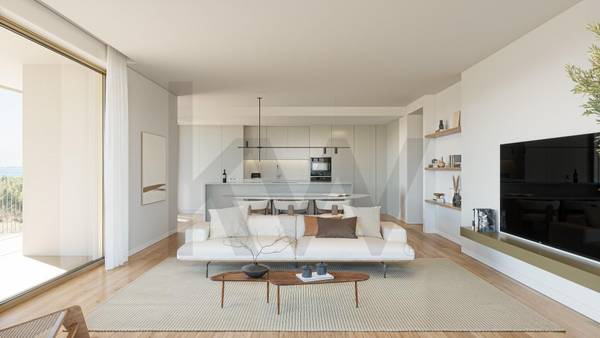
Off-Plan 2 Bedroom Apartment for Sale in Setúbal - Portugal
2 bed • 3 bath • 97.5 m²
€440,000
View property →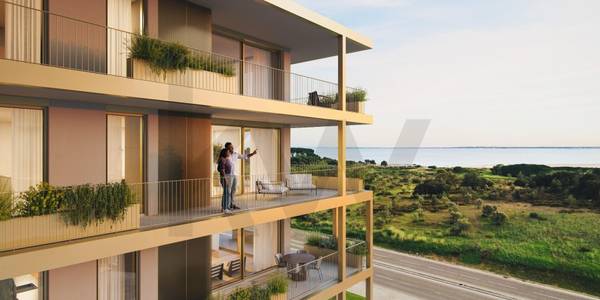
Off-Plan 3 Bedroom Apartment for Sale in Setúbal - Portugal
3 bed • 3 bath • 135.2 m²
€540,000
View property →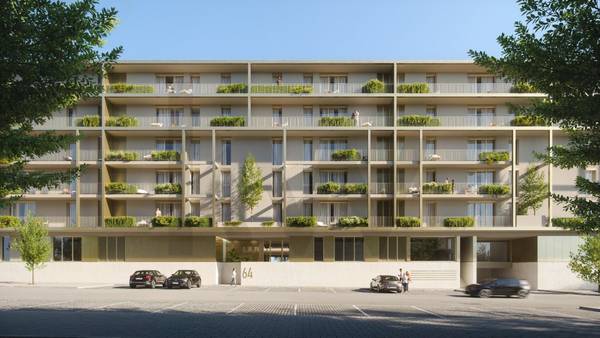
Off-Plan 3 Bedroom Apartment for Sale in Setúbal - Portugal
3 bed • 3 bath • 126.9 m²
€510,000
View property →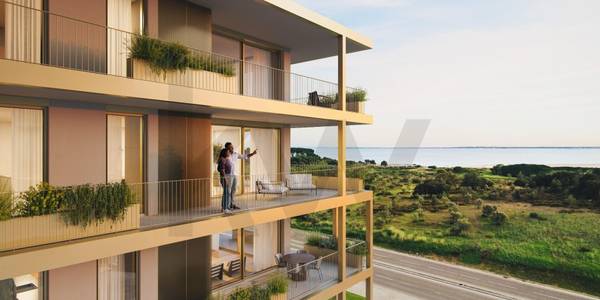
Off-Plan 3 Bedroom Apartment for Sale in Setúbal - Portugal
3 bed • 3 bath • 117.7 m²
€510,000
View property →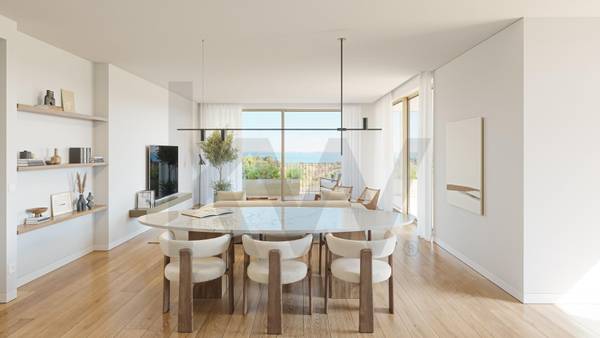
Off-Plan 3 Bedroom Apartment for Sale in Setúbal - Portugal
3 bed • 3 bath • 117.7 m²
€510,000
View property →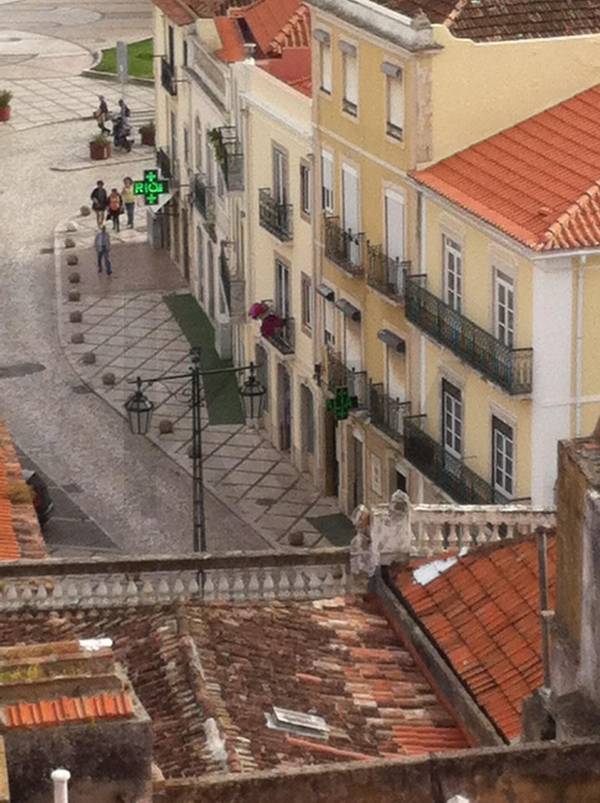
Building for Sale in Setúbal - Portugal
181.8 m²
€795,000
View property →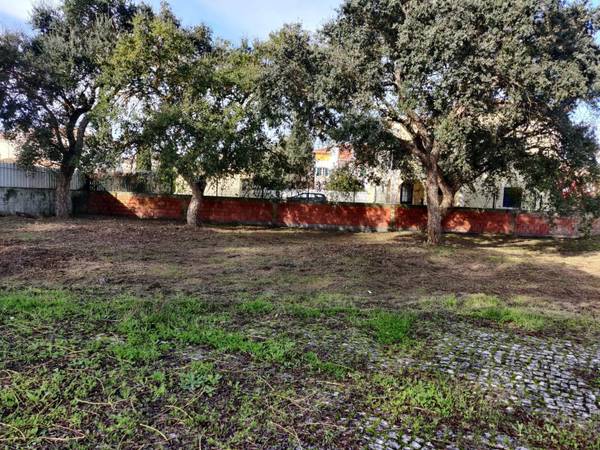
Land Plot for Sale in Setúbal - Portugal
628.65 m²
€270,000
View property →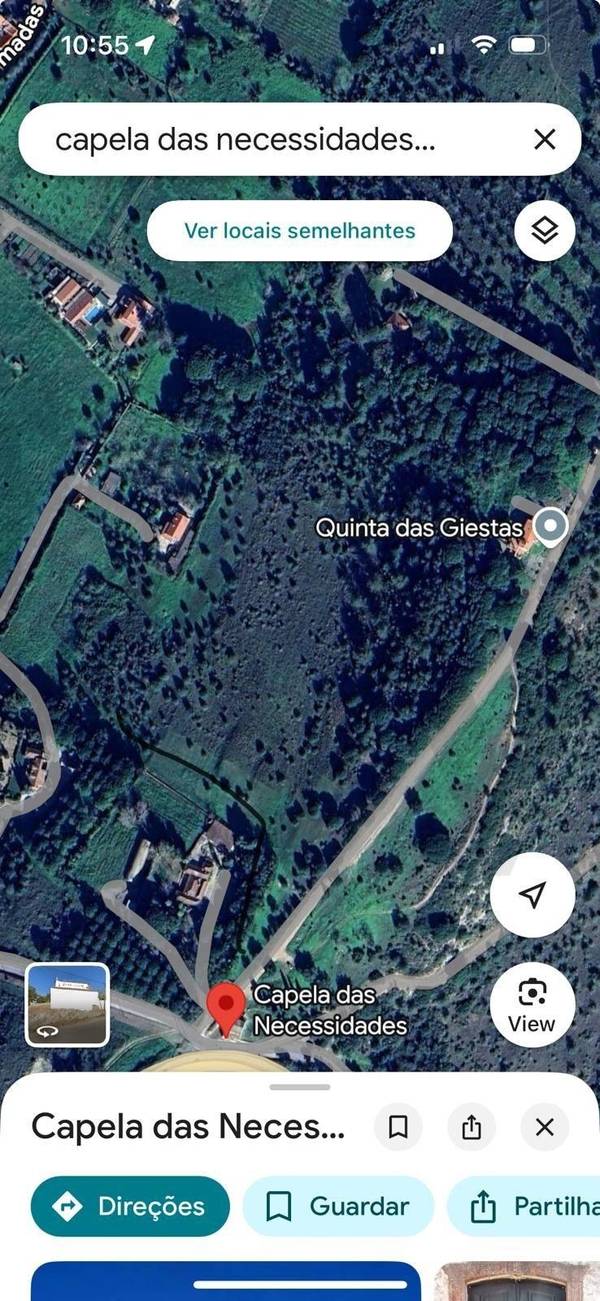
Land Plot for Sale in Setúbal - Portugal
51750 m²
€375,000
View property →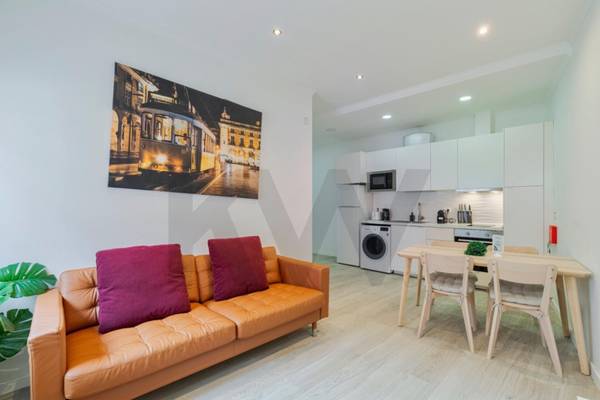
1 Bedroom Apartment for Sale in Setúbal - Portugal
1 bed • 1 bath • 52 m²
€230,000
View property →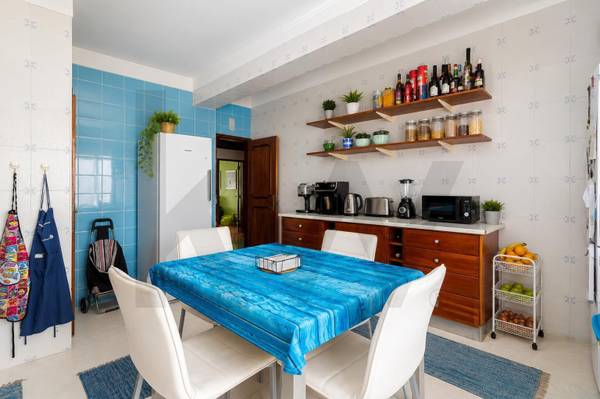
3 Bedroom Apartment for Sale in Setúbal - Portugal
3 bed • 2 bath • 129 m²
€348,900
View property →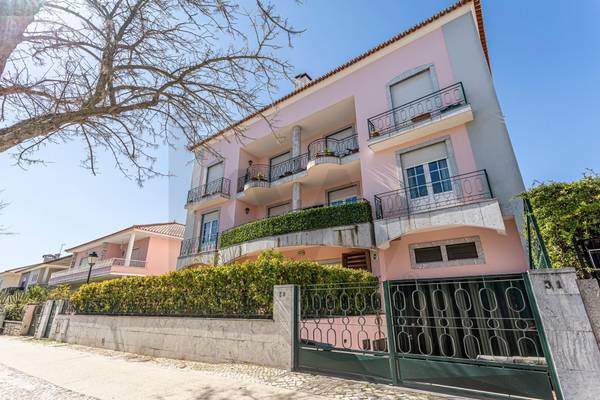
5 Bedroom Apartment for Sale in Setúbal - Portugal
5 bed • 3 bath • 242 m²
€849,000
View property →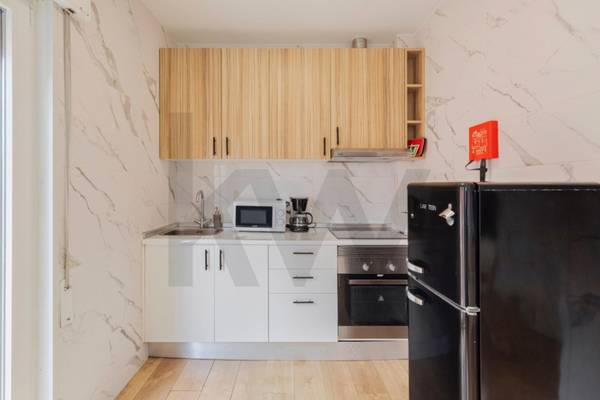
2 Bedroom Apartment for Sale in Setúbal - Portugal
2 bed • 1 bath • 60 m²
€250,000
View property →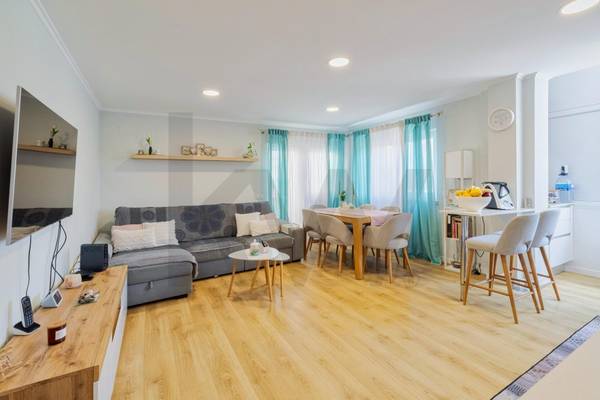
2 Bedroom Apartment for Sale in Setúbal - Portugal
2 bed • 1 bath • 80 m²
€274,900
View property →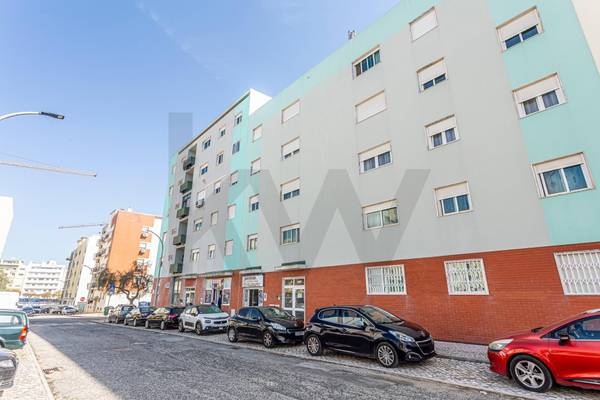
3 Bedroom Apartment for Sale in Setúbal - Portugal
3 bed • 2 bath • 94 m²
€378,000
View property →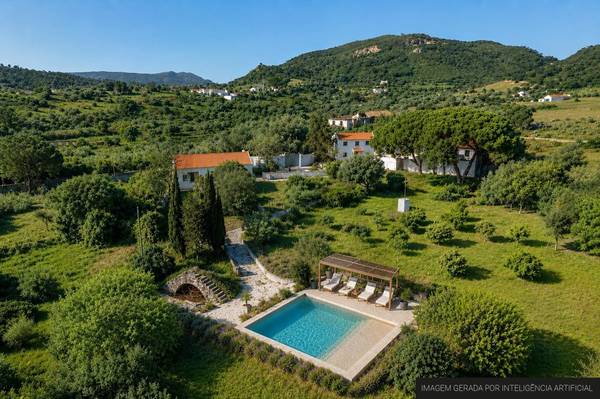
Off-Plan 3 Bedroom Country Estate for Sale in Setúbal - Portugal
3 bed • 5 bath • 6025 m²
€2,850,000
View property →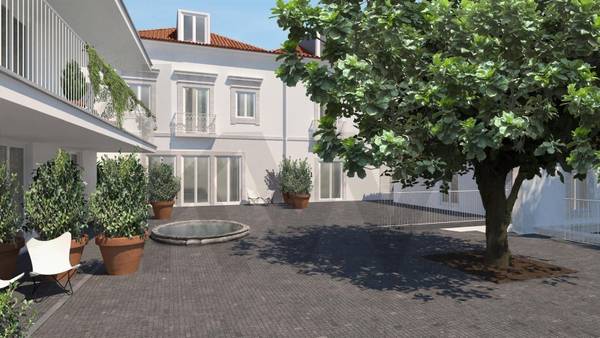
2 Bedroom Apartment for Sale in Setúbal - Portugal
2 bed • 95 m²
€525,000
View property →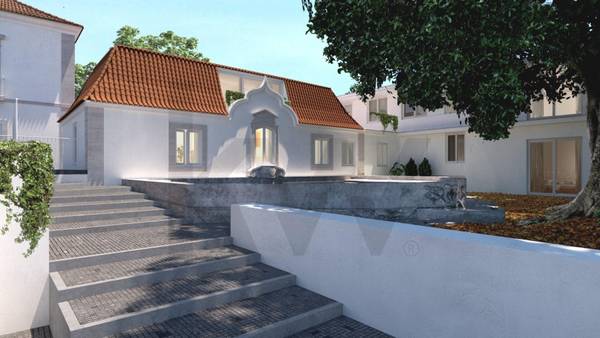
3 Bedroom Apartment for Sale in Setúbal - Portugal
3 bed • 160 m²
€1,200,000
View property →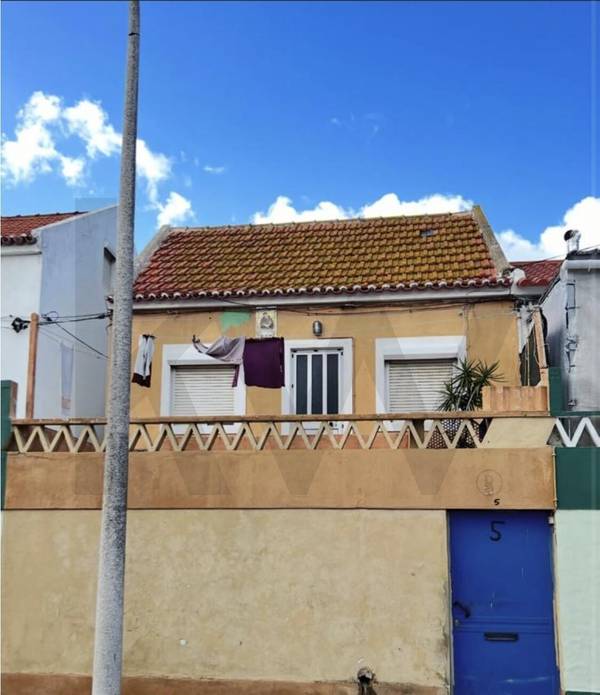
2 Bedroom House for Sale in Setúbal - Portugal
2 bed • 1 bath • 49.93 m²
€139,000
View property →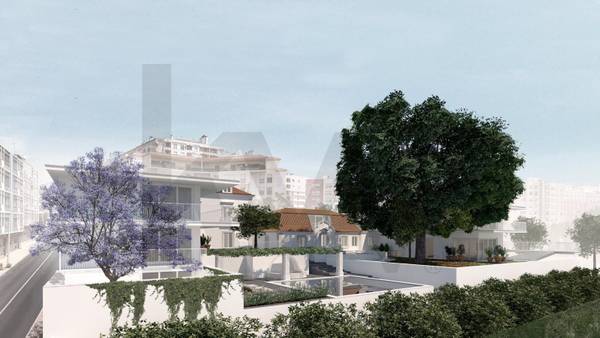
2 Bedroom Apartment for Sale in Setúbal - Portugal
2 bed • 80 m²
€375,000
View property →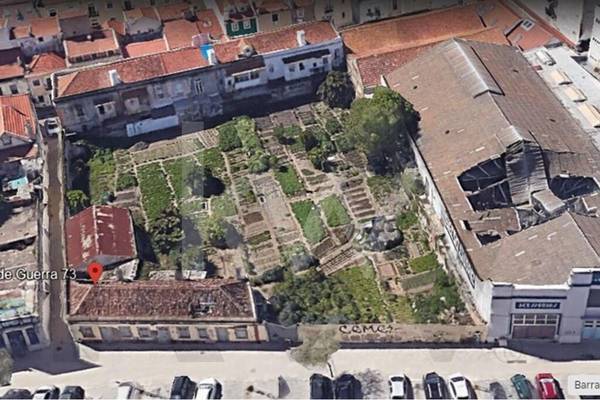
Land Plot for Sale in Setúbal - Portugal
2242 m²
€1,550,000
View property →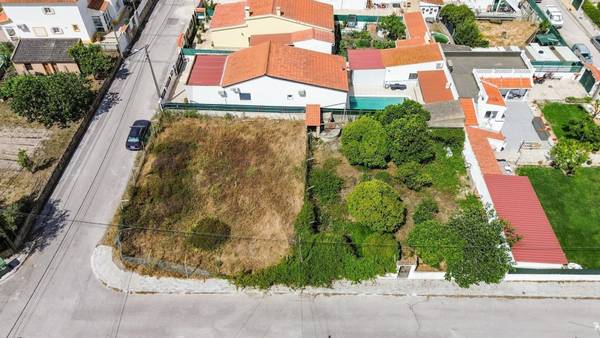
Land Plot for Sale in Setúbal - Portugal
356.5 m²
€120,000
View property →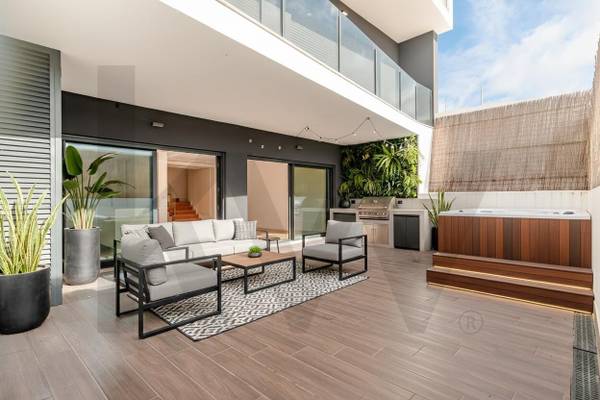
3 Bedroom Apartment for Sale in Setúbal - Portugal
3 bed • 3 bath • 137 m²
€540,000
View property →
Off-Plan 2 Bedroom House for Sale in Setúbal - Portugal
2 bed • 3 bath • 132 m²
€430,000
View property →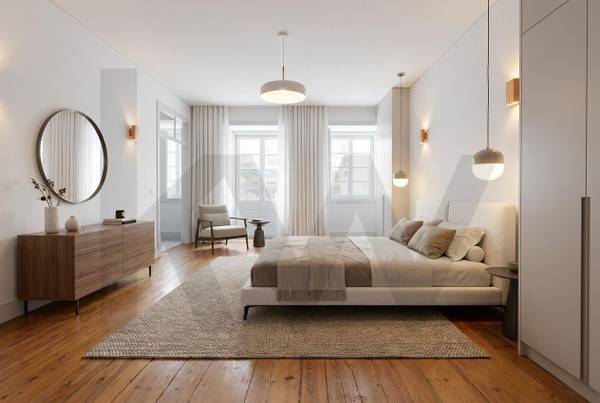
Building for Sale in Setúbal - Portugal
356.52 m²
€750,000
View property →
3 Bedroom Apartment for Sale in Setúbal - Portugal
3 bed • 2 bath • 125 m²
€450,000
View property →