Homes for sale in Poughquag
New York, USA
About Poughquag
Poughquag is a small hamlet in the Town of Beekman, in southeastern Dutchess County, New York State, about an hour and a half from Manhattan. It has no town center and no train station: it is a rural, residential area of hills, horse farms, woods and houses on large lots, where life is lived by car and people come looking for space.
For a buyer, Poughquag offers what is hard to find closer to the city: family houses on lots of half a hectare or more, at prices below those of Westchester and much of Putnam County. The trade-off is the distance to New York, the dependence on the car, property taxes, which are high in the state, wells and septic systems that need upkeep, and the incidence of Lyme disease, which in Dutchess is among the highest in the state. This page explains the area, what is for sale and what to check before buying.
Where it is and how to get there
Poughquag lies in southern Dutchess, between the Taconic State Parkway to the west and the Town of Pawling to the east. The ZIP code is 12570, which covers the hamlet and much of the Town of Beekman. Route 55 crosses the area from east to west and Interstate 84 passes to the south, linking Poughquag to the rest of the Hudson Valley and to Connecticut.
By train, there is no station in Poughquag. The nearest are on the Metro-North Harlem Line: Southeast, in Brewster, with frequent trains and about an hour and a half to Grand Central, and Pawling, with much less service. The Hudson Line is also used, from Beacon or Poughkeepsie. For someone who works in Manhattan every day, it is a long commute; for someone who works from home or goes into the city a few times a week, it is a distance many accept in exchange for the space.
A little history
Before the Europeans arrived, the region was the land of the Wappinger peoples. In 1697, Henry Beekman, of Kingston, received from the British Crown a large land grant in Dutchess, the so-called Beekman Patent, which gave the town its name. The first settlers arrived around 1710, and the Town of Beekman was formed in 1788, right after independence.
In the nineteenth century, Poughquag had sawmills, gristmills and fulling mills powered by the local streams. Agriculture and farms dominated the landscape for a long time, and even today you see horse farms and old colonial houses next to subdivisions from recent decades, built as families from the New York metropolitan area looked for larger houses further north. In the 2020 census, the Town of Beekman had 14,172 residents.
Poughquag, area by area
The hamlet and Route 55
Around the intersection of Route 55 and Beekman Road are the everyday services, the elementary school and the town offices. It is the part closest to everything, with houses on smaller lots and quick access to the main roads.
The hills and the country roads
On roads such as Depot Hill, Pleasant Ridge or Lime Ridge, houses are spread across hills with views over valleys, lakes and farms. There are old colonial houses, craftsman-style houses and new construction, often on lots of half a hectare to more than a hectare. This is where people look for privacy, with the trade-off of more miles to everything.
The subdivisions of recent decades
On cul-de-sacs and in subdivisions built from the 1970s onward, there are two-story family houses and ranch houses, with a garage and a yard. They are the most common type of house on the market and the usual choice for families with school-age children.
Health, schools and services
Poughquag's public elementary school is the Beekman School, in the Arlington school district, which is one of the largest in the county. In the United States the school district weighs on the price of the house and on the tax bill, and it is always confirmed by the exact address, because not every address with the same ZIP code belongs to the same district. The main hospitals are in Poughkeepsie and Carmel, and larger shopping is done in Fishkill, Hopewell Junction and Poughkeepsie. The hamlet itself has few services.
What is for sale
What sells in Poughquag is mainly single-family houses: ranch houses, two-story houses from the 1970s to the 2000s, old colonial houses and some new construction, almost always with land. In our selection, prices range from about US$ 375 thousand to US$ 929 thousand: at the lower end, two-bedroom ranch houses on smaller lots; in the middle, three- and four-bedroom family houses; at the top, large houses on more than a hectare, new construction and historic properties with gardens.
What drives the price is the size and condition of the house, the land, the privacy and the view, the school district and the proximity to the Taconic and Route 55. A house with recent systems — roof, heating, septic, water heater — is worth more than one with the same floor area and everything still to be renovated.
The market moves. A listing seen a month ago may now have a different price or no longer be available: always confirm the current status and price before going ahead.
Points to consider
The distance to New York
With no station in the hamlet, the daily trip to Manhattan means driving to Southeast or another station and then about an hour and a half on the train. Make the full trip, at the time you would make it, before deciding.
Well and septic
Outside the areas served by public utilities, houses use a well and a septic system. Ask for a well water test and a septic inspection before signing. In Beekman, as in Pawling and East Fishkill, septic systems must be pumped out or inspected every five years, because of the Croton watershed, which supplies New York City; ask the seller for the records of those inspections.
Property taxes
The annual tax combines county, town and school district, and in New York State it is high. Ask for the tax bill for that specific house, not an average, and confirm whether the assessed value is up to date.
Lyme disease
Dutchess County has some of the highest rates of Lyme disease in the state, transmitted by ticks in brushy areas and tall grass. It does not stop anyone from living here, but it calls for care in the yard and on walks, especially for those with children and pets.
Old houses and accessory apartments
Nineteenth-century colonial houses have character and costs: foundations, roofs, plumbing and wiring. Some newer houses advertise an independent space for family or for rent; confirm with the town that the apartment is permitted before counting on it.
Winter and the car
There is snow and ice every winter, and the country roads are narrow and winding. Visit the house and the access road on a day of bad weather, and plan on two cars for a family in which both adults work outside the home.
Legal and tax checklist in the United States
Before buying: the property tax bill; confirmation of the school district by address; an independent home inspection; a well water test and septic inspection; permits for any works and the certificate of occupancy, especially for houses that have been expanded.
On purchase: in New York State, each side has its own attorney, and a contract is signed before closing. Budget for title insurance, closing costs and transfer taxes. Buyers from abroad need a US tax number to report income and, at closing, the bank and the attorney ask for proof of the source of funds.
While owning: property tax paid to the county, the town and the school district; insurance, which in a rural area may require attention to the distance from the fire department; upkeep of the well, the septic system and the heating. Rental income is declared in the United States, even by non-residents.
On sale: capital gains tax. Non-residents of the United States are subject to FIRPTA withholding at closing, which is an advance on the tax and not the final tax. It is worth speaking to a US accountant before selling.
Who it makes sense for — and who it does not
It makes sense for families who want a large house with land at a reasonable distance from New York, for those who work from home or only go into the city a few times a week, and for those looking for an old house with character or new construction in the country.
It makes less sense for those who need to be in Manhattan every day, for those who want to live on foot, for those who do not want to deal with a well, a septic system and snow, and for those who run the numbers without including New York State taxes.
Final thoughts
Poughquag is the rural Hudson Valley within reach of the city: space, land and family houses for less than further south. What separates a good purchase from a bad one is the tax bill and school district for that address, the condition of the well, the septic system and the house, and the real commute to work.
When you contact us through a property page, we forward your details to our partner broker, who holds the full information on that specific property — tax bill, school district, well and septic, and negotiating terms.
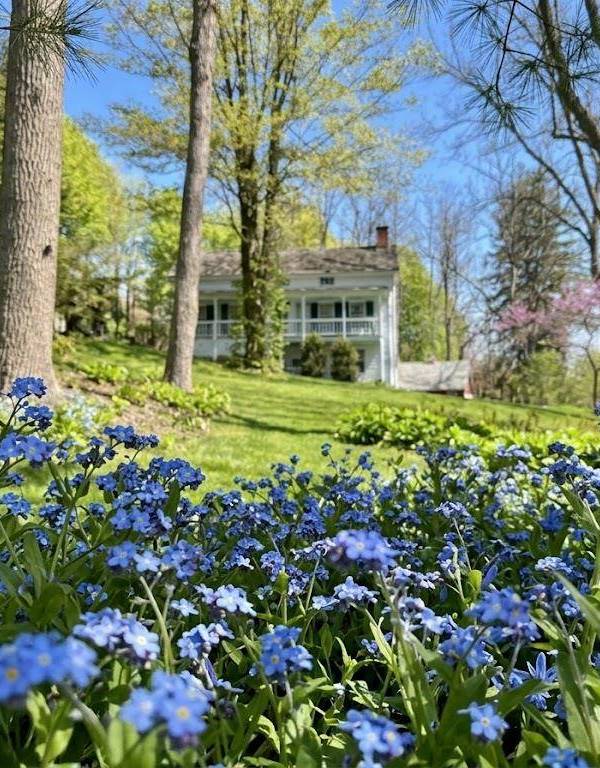
3 Bedroom Home for Sale in Poughquag - New York - USA
3 bed • 3 bath • 339.65 m²
$895,000
View property →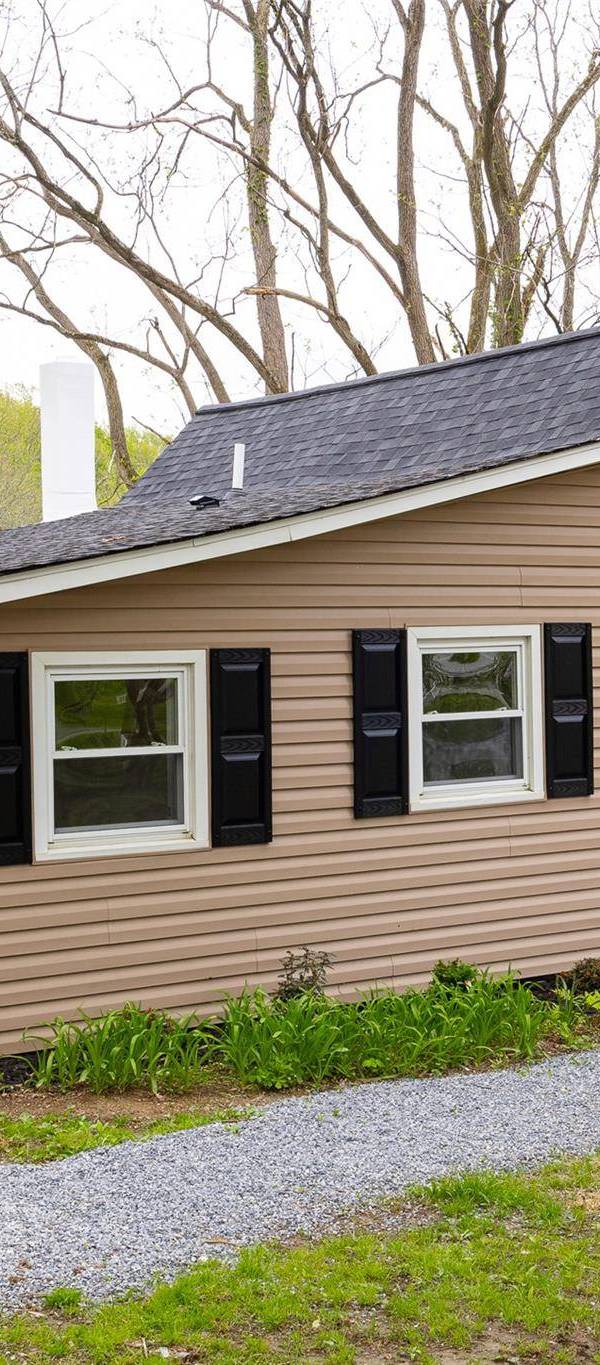
2 Bedroom Home for Sale in Poughquag - New York - USA
2 bed • 1 bath • 78.04 m²
$375,000
View property →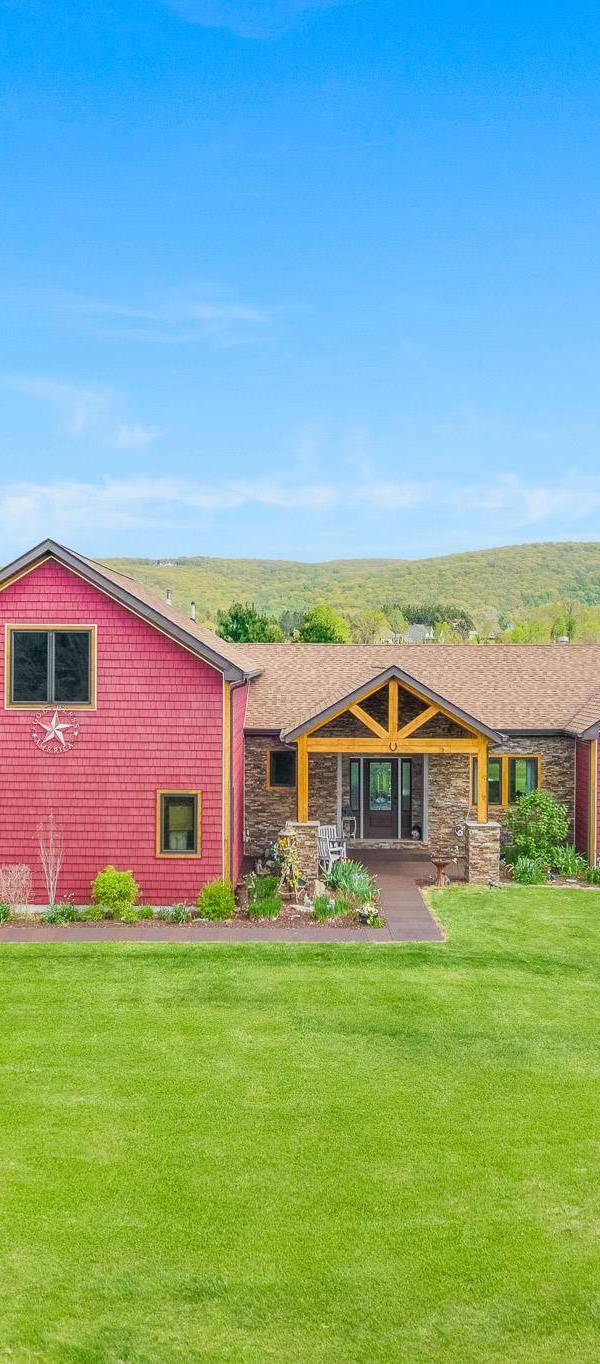
3 Bedroom Home for Sale in Poughquag - New York - USA
3 bed • 3 bath • 180.05 m²
$720,000
View property →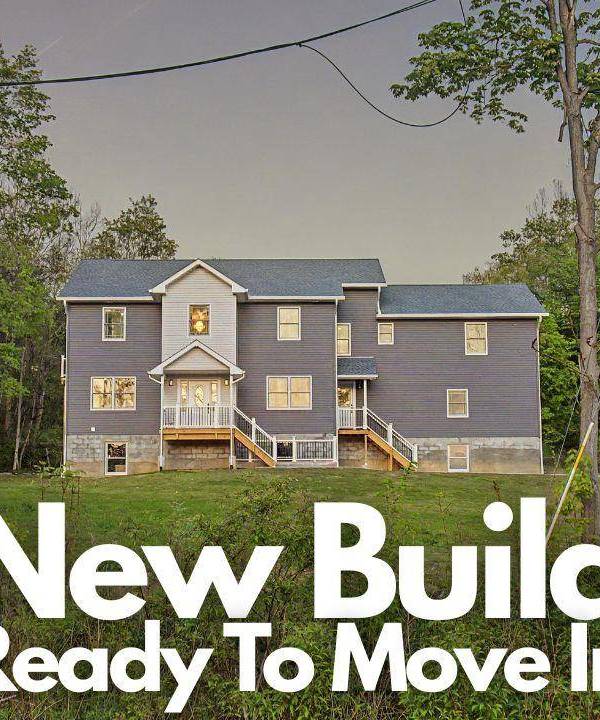
4 Bedroom Home for Sale in Poughquag - New York - USA
4 bed • 5 bath • 301.93 m²
$719,999
View property →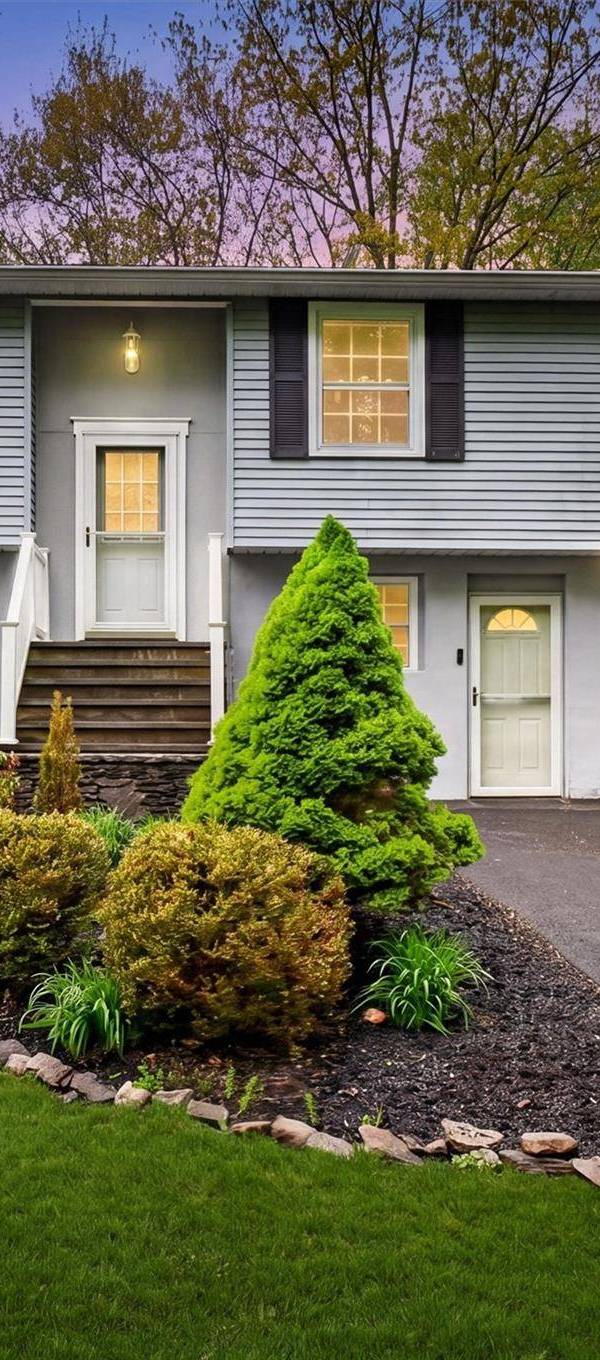
3 Bedroom Home for Sale in Poughquag - New York - USA
3 bed • 2 bath • 190.45 m²
$499,900
View property →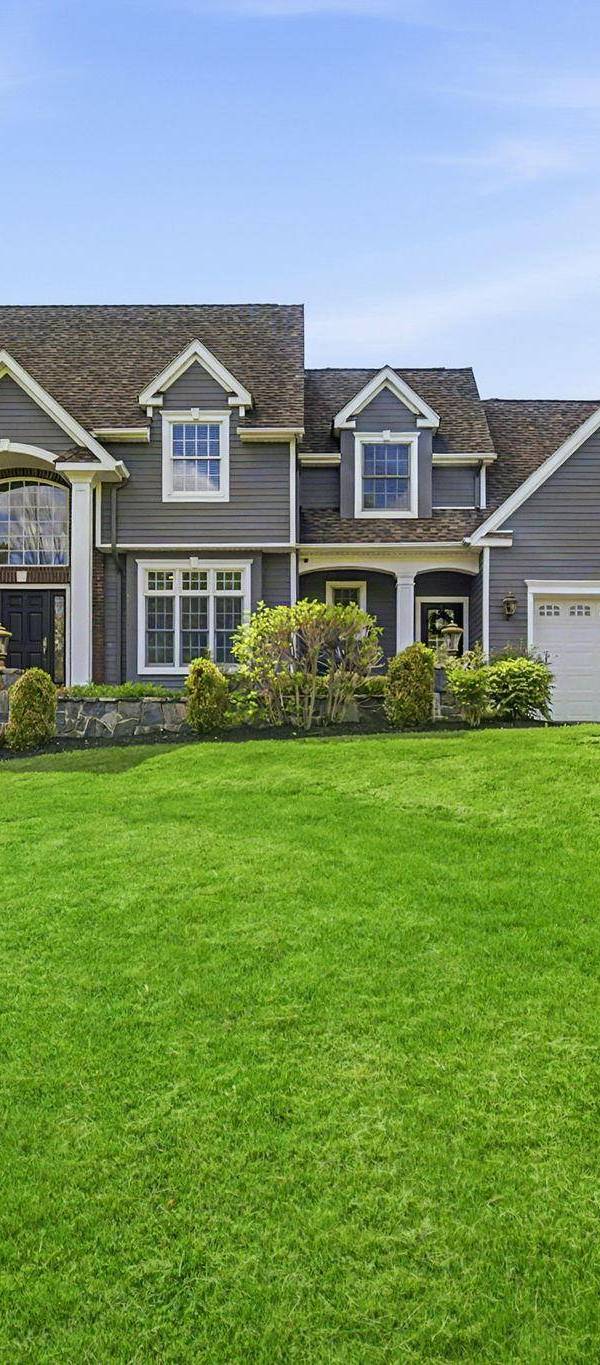
4 Bedroom Home for Sale in Poughquag - New York - USA
4 bed • 4 bath • 454.76 m²
$929,000
View property →