Homes for sale in Pleasantville
New York, USA
About Pleasantville
Where Pleasantville is
Pleasantville is a self-governing village within the Town of Mount Pleasant, in Westchester County, New York State. It has a station on the Metro-North Harlem Line and a centre you can walk across — two things that, together, are rare at this distance from the city.
Unlike the neighbouring hamlets, which are only names within the town, Pleasantville is an incorporated village: it has its own administration and, above all, its own school district. That has practical consequences which appear further down, because the boundary does not follow the name of the place.
What is for sale today
The portfolio runs from roughly 269,000 to 1,399,000 dollars, with the middle of the range near 475,000. Sizes run from about 70 to about 319 square metres, and the housing stock was built between 1932 and 1996 — most of it in the late 1940s and the 1950s.
⭐ And there is a feature that sets this village apart from its neighbours: three different forms of ownership coexist here. There are condominium apartments, there is a co-operative apartment, and there are houses. Those are three distinct contracts, with three monthly cost structures and three purchase processes that look nothing alike — and it is the most important thing to understand before comparing prices.
What is in the portfolio
At the top, a house of about 319 m² from 1996, on a small lot, part of a residential community with a swimming pool, tennis and pickleball courts, a gym and an on-site restaurant. It is the only one in this portfolio with those amenities, and they are not free — we come back to this.
Next, a 1932 house of about 176 m², a little over three kilometres from the station. It is the other house in the portfolio and the oldest of them.
Then condominium apartments: a two-bedroom of about 111 m² in a 1949 building, and two smaller ones of about 70 m², one of them in a 1977 building a few hundred metres from the station.
At the entry price, a co-operative apartment from 1954, of about 84 m², a short walk from the centre and the station. It is the cheapest in the portfolio and it is also the one that needs the most explaining.
What the prices say
There is more than a factor of five between entry and top, which is a wide spread for a small place. But the distance does not measure quality: it measures type of ownership. The cheapest properties are apartments and the cheapest of all is a co-op; the houses in this portfolio are both above 999,000.
Anyone comparing an apartment with a house here is not comparing two prices — they are comparing two things with different rules of tenure, of monthly cost and of resale. It is the easiest mistake to make on this page.
Points to watch
A co-op is not a condo, and the difference is large
In a condominium you buy the unit and pay a fee towards the upkeep of the common parts; the property tax comes separately, in the owner's name. In a co-operative you are not buying real property: you buy shares in a corporation that owns the building, and what you receive is the right to occupy an apartment.
Three things follow that change the decision. First: the co-op board has to approve the buyer, can refuse, and usually requires detailed financial disclosure. Second: the rules on subletting are almost always far tighter — in many co-ops you simply cannot rent the apartment out. The third is in the next point.
In a co-op, the tax is hidden inside the monthly charge
Across the properties in this portfolio, the effective tax rate measured against the asking price runs between roughly 1.1% and 1.95% a year. But the co-operative apartment publishes no tax figure at all, and that is not an omission: in a co-op the tax is paid by the corporation and recovered from each resident inside the monthly maintenance charge.
That means a co-op's maintenance and a condo's common charge are not directly comparable — the first already has the tax inside it and the second does not. Always ask for a breakdown of the monthly charge and the share of it that is tax, before concluding that one is dearer than the other.
A shared amenity is a monthly expense
The most expensive property in the portfolio sits within a community with a pool, tennis and pickleball courts, a gym and a restaurant. All of that is maintained by the people who live there, through a fee — and communities with that level of equipment carry proportionally high charges.
Ask for the current figure, the history of the last few years and, above all, whether there are special assessments approved or expected for works. With a pool, a court and a restaurant, deferred maintenance always ends up arriving as an assessment.
The school district changes within the village
This is the point worth the most money and the least visible. The properties in this portfolio do not all belong to the same school district: most are Pleasantville, but at least one is Mount Pleasant. In the United States the school district is one of the heaviest variables in resale value and it is the largest share of the property tax bill — and the boundary follows neither the name of the village nor the ZIP code.
Confirm the district by the exact address, every time, before comparing two properties that look equivalent.
The distance to the station varies more than it seems
Being near the station is this village's selling point, and here it is true — but in very different degrees. Across the properties in this portfolio the distance runs from a few hundred metres to a little over three kilometres. The first is a five-minute walk; the second means a car, a permit space at the station (which usually carries a waiting list and an annual fee) or a bus.
Before deciding, walk or drive the real route at the hour you would be catching the train, and ask what a station parking permit costs and how long the wait is.
Central air conditioning is not the norm here
Half of the properties in this portfolio cool with window units, one has no cooling at all, and only some have a central system. In a building from 1949 or 1954, installing central air is rarely just buying the machine: it is finding a route for ductwork where none was planned — and in a condo or a co-op you need board approval to touch façades, windows or risers.
The stock is decades old, and it shows in the services
The newest property is from 1996 and the rest run from 1932 to 1977. In a house of that age the questions are always the same, and they are expensive if left unasked: the age of the roof, the water heater and the boiler; whether the electrical service has been updated and at what amperage; whether there is lead or galvanised steel plumbing; and whether the basement has ever taken water.
Who it suits — and who it does not
It suits people who want to live in a real village, with a centre, shops and a station within walking distance, rather than in a dormitory place with a name of its own. It suits commuters into the city. And above all it suits buyers who want a way into Westchester at a figure that does not exist in the neighbouring hamlets — here there are apartments, and next door there are almost none.
It does not suit buyers who want a detached house on a large plot: the houses in this portfolio sit on small lots. It does not suit buyers counting on short-term letting, especially in a co-op, where it is usually forbidden. It does not suit buyers who want recent construction. And it does not suit anyone buying at the limit of their budget without adding the monthly charge — which here, on three of the properties, is a permanent and far from negligible monthly line.
Before making an offer
- Confirm whether the property is a condo, a co-op or a house — it changes everything that follows.
- If it is a co-op: ask for the board's rules, the approval process and the subletting rules in writing.
- Ask for a breakdown of the monthly charge and the share of it that is tax, so you can compare with a condo.
- Ask for three to five years of charge history and whether any special assessment is approved or expected.
- Confirm the school district by the exact address — it changes within the village.
- Measure the real distance to the station and ask about parking: cost and waiting list.
- Work out the cost of installing central air where there is none, and confirm the board allows it.
- Ask for the age of the roof, the boiler and the water heater, and the history of the electrical service.
- Ask for the itemised tax bill and three to five years of history.
- On the house with shared amenities, ask what the fee covers and what it leaves out.
Closing thoughts
Pleasantville is what the word village promises and the neighbouring hamlets do not have: a centre, a station and its own administration. That makes it more liquid than its surroundings and explains why apartments appear here — demand supports buildings, and next door it does not.
What matters is going in knowing that the prices on this page are not comparing the same thing. Between the cheapest apartment and the dearest house there is not only a difference in value: there is a difference in contract, in monthly cost and in freedom over what you own. Once that difference is understood, the rest is decided with the questions above.
When you get in touch through a property page, we forward your enquiry to the consultant responsible for that listing.
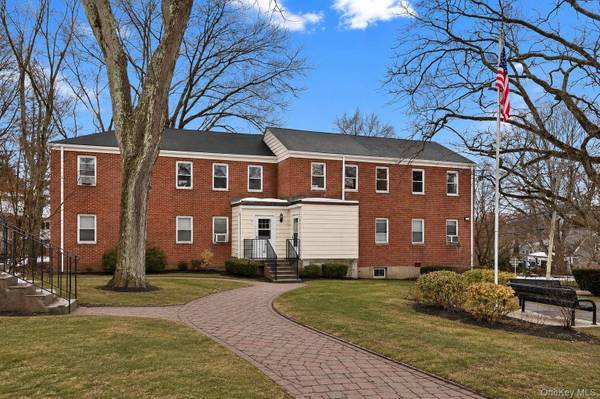
2 Bedroom Co-op for Sale in Pleasantville - New York - USA
2 bed • 83.61 m²
$269,000
View property →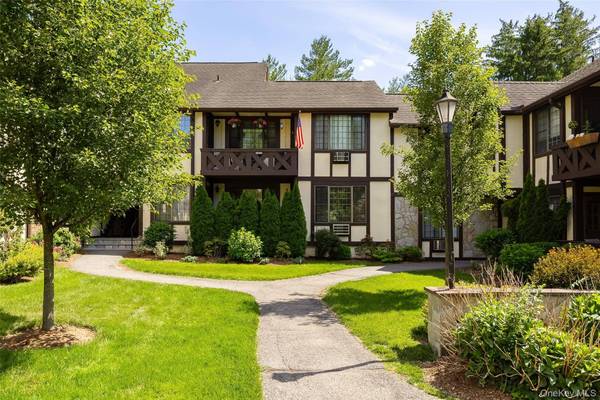
Condo for Sale in Pleasantville - New York - USA
70.79 m²
$425,000
View property →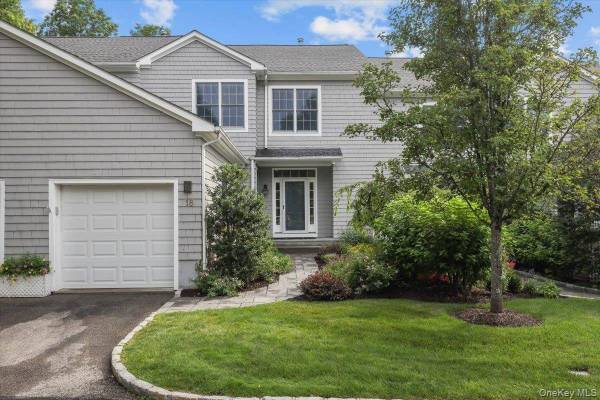
3 Bedroom Home for Sale in Pleasantville - New York - USA
3 bed • 4 bath • 319.03 m²
$1,399,000
View property →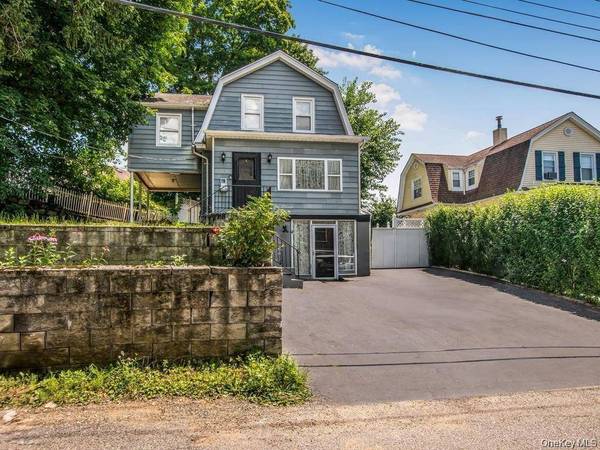
3 Bedroom Home for Sale in Pleasantville - New York - USA
3 bed • 2 bath • 175.68 m²
$999,000
View property →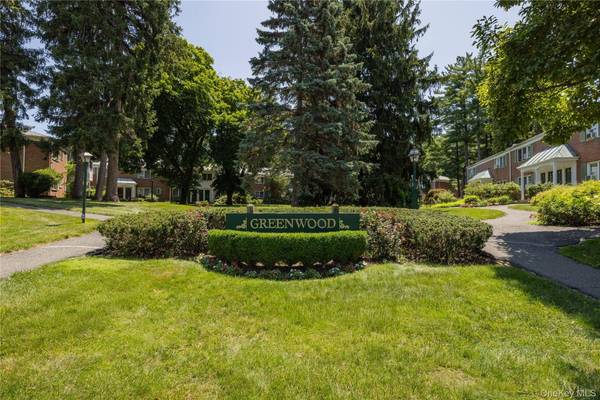
2 Bedroom Condo for Sale in Pleasantville - New York - USA
2 bed • 111.48 m²
$475,000
View property →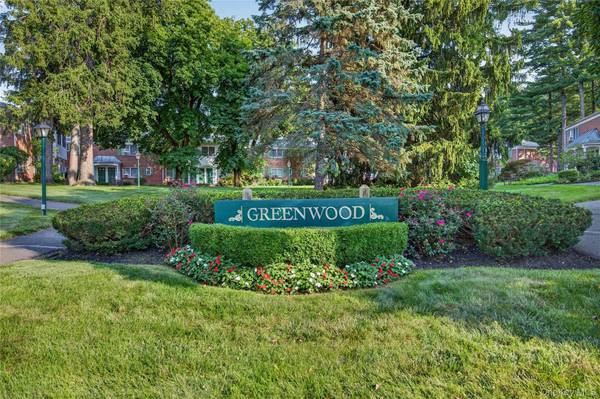
Condo for Sale in Pleasantville - New York - USA
69.68 m²
$389,000
View property →