Homes for sale in Massapequa Park
New York, USA
About Massapequa Park
Massapequa Park is a small village on the South Shore of Long Island, in Nassau County, New York State, within the larger Town of Oyster Bay. It lies about fifty kilometers from Manhattan, between Massapequa and East Massapequa, and is above all a place of family homes with backyards, quiet streets, schools and a direct train into the city.
For buyers, Massapequa Park offers single-family homes in a village with its own government, about an hour from Manhattan on the Long Island Rail Road, with the beaches of Jones Beach a quarter of an hour away. The trade-off is also well known: property taxes in Nassau are among the highest in the country, homes south of Merrick Road have been in a flood risk zone ever since Hurricane Sandy flooded them in 2012, many houses are old and the lots are small. This page explains the village, what is for sale and what is worth checking before you buy.
Where it is and how to get there
Massapequa Park covers just over 5.8 km² on the South Shore of Long Island, bordered by Massapequa to the west, East Massapequa to the east, and North Massapequa and South Farmingdale to the north. To the south, South Oyster Bay separates it from the Jones Beach barrier island. Two main roads cross the village from east to west: Sunrise Highway, north of the village center, and Merrick Road, closer to the water. A little farther north runs the Southern State Parkway, which leads to New York City and the rest of Long Island.
The train is the big advantage. Massapequa Park station is on the Babylon Branch of the Long Island Rail Road, with service to Penn Station and, since 2023, also to Grand Central Madison, on the east side of Manhattan, in about an hour. By car, the trip to Manhattan depends heavily on traffic; JFK and LaGuardia airports are about forty minutes to an hour away outside rush hour.
A bit of history
In the nineteenth century, the area was known as Wurtenberg, or Stadtwurtemburg, after the families of German origin who moved here from Brooklyn. The center of the community was the Woodcastle Hotel, built in 1868, which burned down in 1952.
In 1928, three developers, Michael J. Brady, Frank Cryan and Peter Colleran, launched a subdivision here that was advertised in the New York Times, and many streets between Sunrise Highway and Merrick Road still carry Irish names from that era. In 1931, residents incorporated the village of Massapequa Park in order to control land use and construction. Around that time several dozen Sears kit homes went up, among them some of the largest models the company sold. On land in the village stood the Fitzmaurice Flying Field, an airfield opened in 1929 before a crowd estimated at one hundred thousand people; today the site is home to an elementary school and the county police academy. In the 2020 census, the village had 17,109 residents.
Massapequa Park, area by area
North of Sunrise Highway
The northern part of the village, toward South Farmingdale, has streets of family homes built mostly from the 1950s onward, on regular lots, away from the water. Part of this area belongs to the Farmingdale school district rather than Massapequa's; always confirm it by the exact address.
Between Sunrise Highway and Merrick Road
This is the heart of the village: the station, the village center, the village parks and the streets of the 1928 subdivision, with homes from various periods, including some Sears homes and many houses expanded over the decades. This is where most of the homes for sale are concentrated, within walking distance of the station.
South of Merrick Road
Closer to the bay, the streets run down to canals and inlets, with waterfront homes and, in some cases, boat access. This is the area most sought after by those who want the water at their doorstep, and also the one most exposed to flooding, as Hurricane Sandy showed.
Health care, schools and services
Most of the village is served by the Massapequa Union Free School District, with elementary schools, a middle school and Massapequa High School; the northern part belongs to the Farmingdale school district. In the United States, the school district weighs on both the price of a home and the tax bill, and it should always be confirmed by the exact address. The village has three parks, Brady Park, Colleran Park and Mansfield Park, plus street-level shops in the village center and along Merrick Road and Sunrise Highway. There are hospitals and health services in neighboring communities a few kilometers away, and large shopping centers in Nassau.
Beaches, nature and water
Jones Beach, one of the best-known beaches on the East Coast, is about a quarter of an hour away by car, across the bay. To the west, the Massapequa Preserve, with about 175 hectares of woods, ponds and trails, stretches from the Southern State Parkway down to Merrick Road along Massapequa Creek, and is used for walking, running and cycling. To the south, South Oyster Bay is an area for boating, fishing and water sports.
What is for sale
What sells in Massapequa Park is mostly single-family homes with three to five bedrooms, a backyard and a garage or driveway, along with some condominium apartments. In our selection, prices range from about US$668,000 to US$1.499 million: at the lower end, four-bedroom family homes on regular lots; in the middle, expanded or renovated homes and condominium apartments; at the top, large five-bedroom homes.
What drives the price is the size of the house and the lot, the condition of the renovations, the distance to the station, the school district and, south of Merrick Road, the proximity to the water and how high the house sits relative to flooding. A renovated home raised above the flood elevation is worth more than an identical one that was not.
The market moves. A listing you saw a month ago may now have a different price or may no longer be available: always confirm the current status and price before moving forward.
Investment analysis
Appreciation
Massapequa Park benefits from steady demand from families leaving New York City in search of a home with a backyard and good schools, with a direct train to Manhattan. Because the village is almost fully built out, supply is limited and new construction is rare, which supports prices. The limit is the cost of owning the home: taxes, insurance and maintenance weigh as heavily as the price in a buyer's decision.
Rentals
There is demand for long-term rentals, mainly from families waiting to buy and from people who want to live in the school district before making up their minds. The rent also has to cover the property tax, which is high in Nassau, plus insurance and maintenance. Short-term rentals are limited by local rules; check with the village before buying with that goal in mind.
Exit
Family homes near the station and in the Massapequa district sell regularly. Waterfront homes depend more on their condition, their elevation and the cost of flood insurance, and the large homes at the top of the range have a more specific pool of buyers.
Points to consider
Property taxes
The annual tax combines the county, the village, the school district and other special districts, and in Nassau it is among the highest in the United States. Recent estimates point to a median annual bill of between $10,000 and $12,000 for an average home in the village. Ask for the bill on that specific house, not an average, and check whether there are exemptions that stop applying when the owner changes.
Flooding and insurance
In 2012, Hurricane Sandy pushed seawater into basements and ground floors south of Merrick Road. Check the flood zone for the address on the FEMA maps, ask for the home's flood history and get a flood insurance quote before running the numbers, especially near the canals. Also ask whether the house was raised or rebuilt after Sandy, and under which permits.
Older homes and additions
Many homes are decades old and have been expanded more than once. Get an independent inspection and confirm with the village that additions, finished basements and outbuildings have permits and a certificate of occupancy. In older homes, the electrical systems and plumbing may need updating. The Sears homes from the 1920s and 1930s that still stand have historical appeal for those who seek them out, but they call for their own care in maintenance and renovation.
Small lots and village rules
Lots are small, and the village has its own building and land-use rules. Anyone thinking of expanding, building an outbuilding or creating a separate apartment should first confirm what is allowed.
The commute to Manhattan
The one-hour train ride to Penn Station or Grand Central Madison is counted from the station; anyone who lives far from it has to add the trip there and the parking. Make the full trip, at the time of day you would actually make it, before deciding.
Winter
There is snow and there are winter storms, and coastal storms mostly affect the areas by the water. Factor in the cost of heating and the maintenance the climate demands. In strong storms, the train may run late or be suspended, and the roads along the bay may close.
Legal and tax checklist, in the United States
Before buying: the property tax bill; confirmation of the school district by address; the FEMA flood zone and an insurance quote; an independent home inspection; permits for any work and the certificate of occupancy, especially for homes expanded or raised after Sandy.
When buying: in New York State, a purchase is handled with an attorney on each side, and a contract is signed before the closing. Budget for title insurance, closing costs and transfer taxes. Buyers from abroad need a US tax identification number to report income, and at the closing the bank and the attorney will ask for proof of the source of funds.
While you own: property tax paid to the county, the village and the school district; homeowners insurance and, where applicable, flood insurance; maintenance of the house and the heating system. Rental income must be reported in the United States, even by nonresidents.
When selling: capital gains tax. Sellers who are not US residents are subject to FIRPTA withholding at the closing, which is an advance payment of the tax and not the final tax. It is wise to speak with a US accountant before selling.
Massapequa Park and the nearby alternatives
Massapequa, to the west, is larger and has more on offer, with the same train line and the same school district across most of its area; Massapequa Park stands out as a village with its own government and its own rules. Farmingdale, to the north, has a livelier center around Main Street, Farmingdale State College and a station on the Long Island Rail Road main line, away from the water. Amityville, to the east, is already in Suffolk County, with a different tax system and a waterfront that is also exposed to flooding. Among these communities, the choice is made house by house, comparing the tax bill, the school district and the distance to the station.
Who it makes sense for — and who it does not
It makes sense for families who want a home with a backyard and good schools an hour by train from Manhattan, for those who enjoy the water, boats and having the beach nearby, and for those looking for a small village with its own government and a neighborhood feel.
It makes less sense for those who want to pay little in property tax, for those who need to be in Manhattan every day and live far from the station, for those buying by the water without factoring in the flood risk and flood insurance, and for those looking for a new home, because new construction is rare.
Final thoughts
Massapequa Park is the Long Island village that many New York families look for: family homes, schools, a train to Manhattan and Jones Beach a quarter of an hour away. What separates a good purchase from a bad one is the tax bill and the school district for that particular address, the condition and permits of the house and, south of Merrick Road, the flood risk and the insurance.
When you contact us through a property page, we forward your details to our partner broker, who has the complete information on that specific property — the tax bill, school district, flood zone and insurance, permits for any work, and the terms of the negotiation.
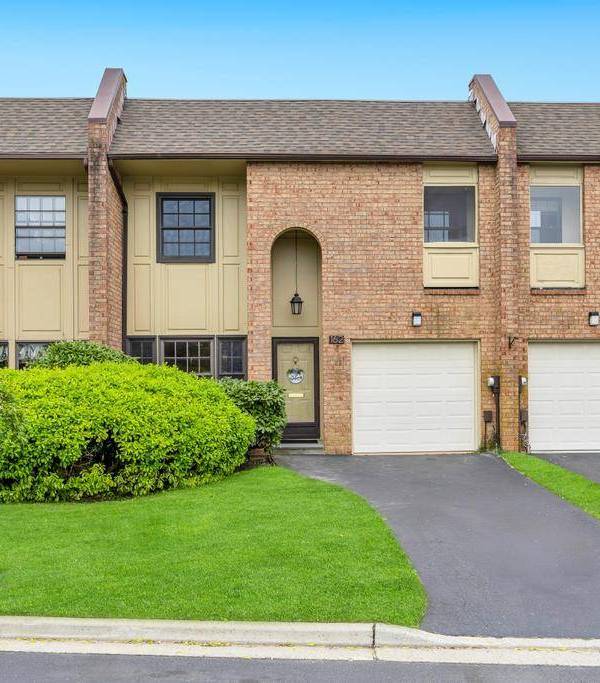
3 Bedroom Home for Sale in Massapequa Park - New York - USA
3 bed • 3 bath • 193.24 m²
$865,000
View property →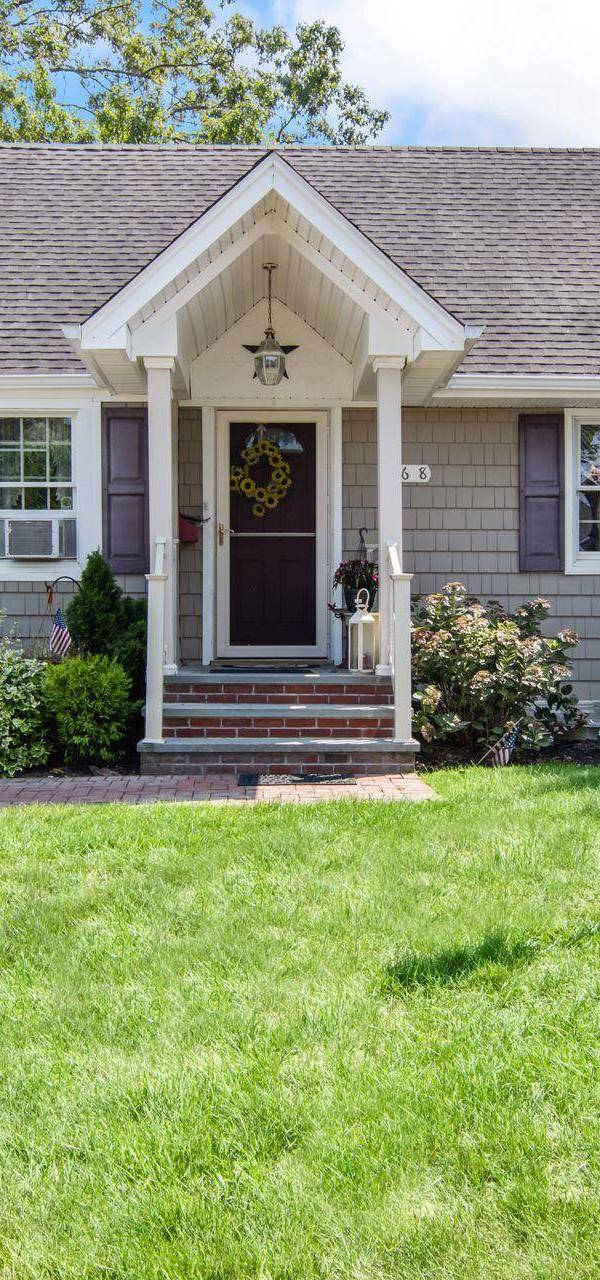
4 Bedroom Home for Sale in Massapequa Park - New York - USA
4 bed • 2 bath • 121.24 m²
$769,000
View property →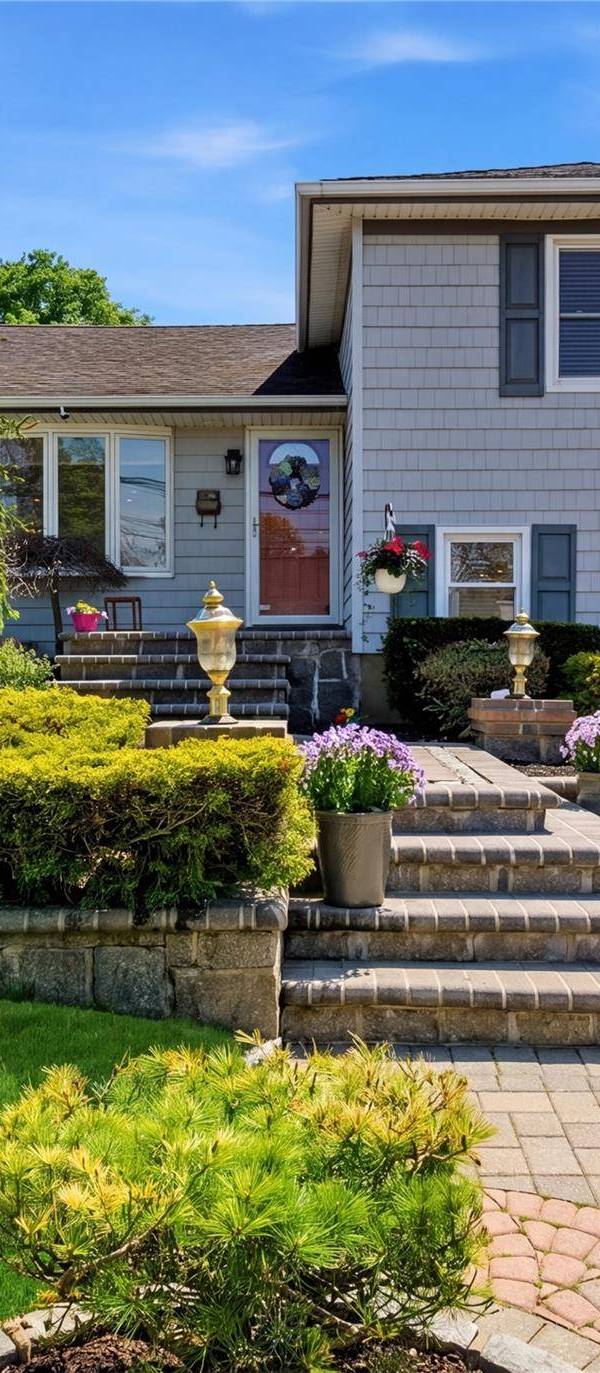
3 Bedroom Home for Sale in Massapequa Park - New York - USA
3 bed • 2 bath • 159.79 m²
$925,000
View property →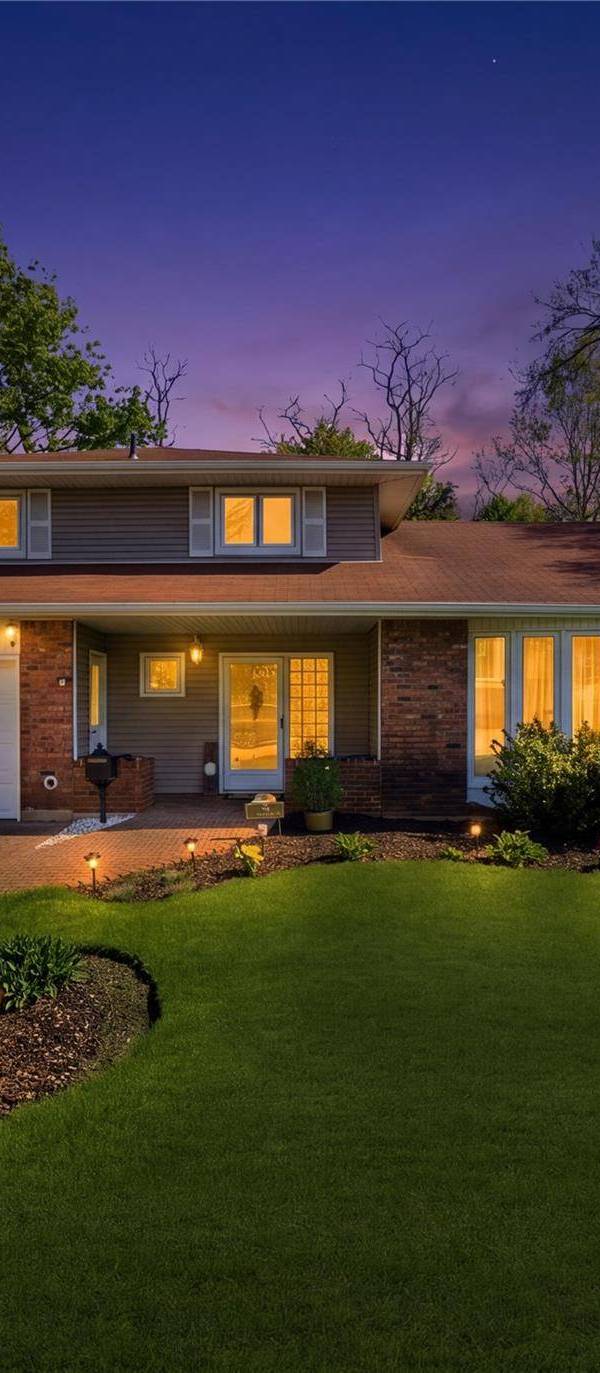
4 Bedroom Home for Sale in Massapequa Park - New York - USA
4 bed • 2 bath • 159.89 m²
$829,999
View property →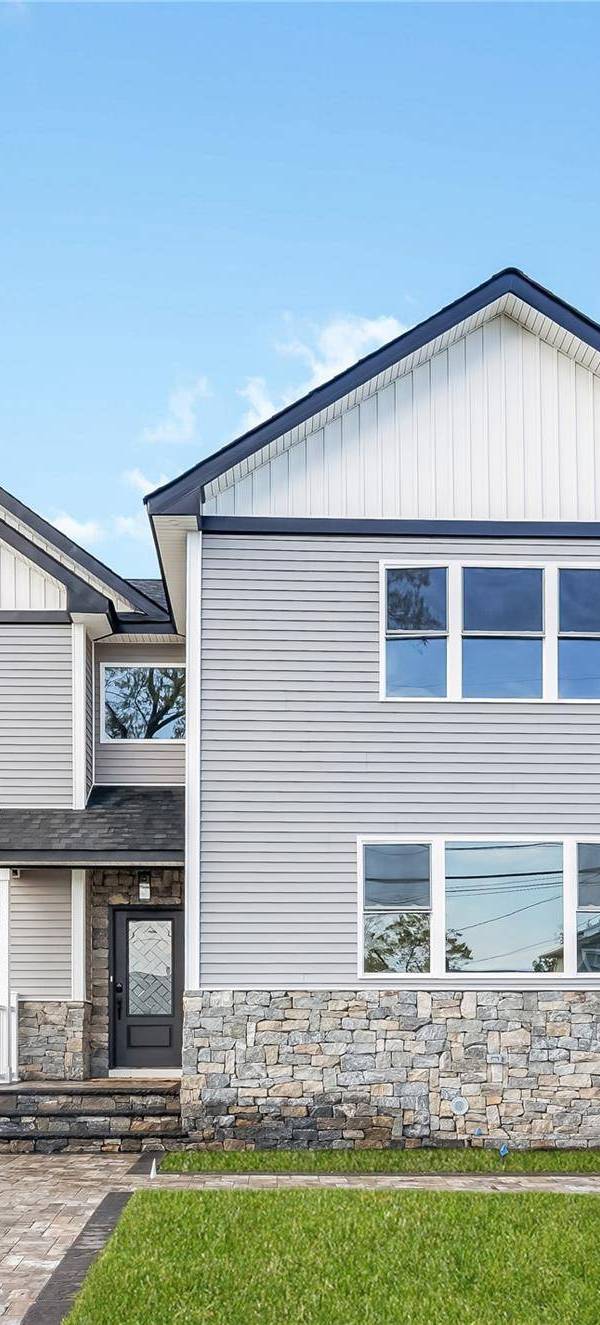
5 Bedroom Home for Sale in Massapequa Park - New York - USA
5 bed • 3 bath • 330.55 m²
$1,499,000
View property →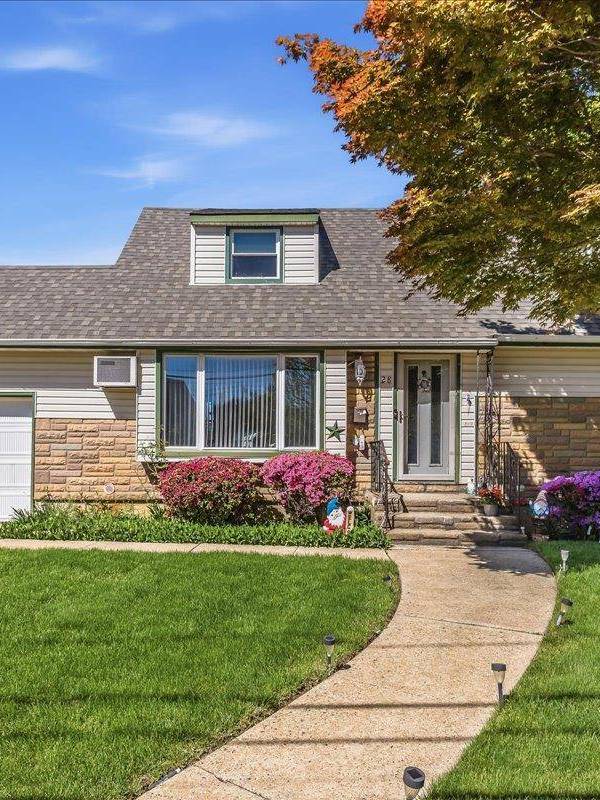
4 Bedroom Home for Sale in Massapequa Park - New York - USA
4 bed • 2 bath • 127.18 m²
$668,000
View property →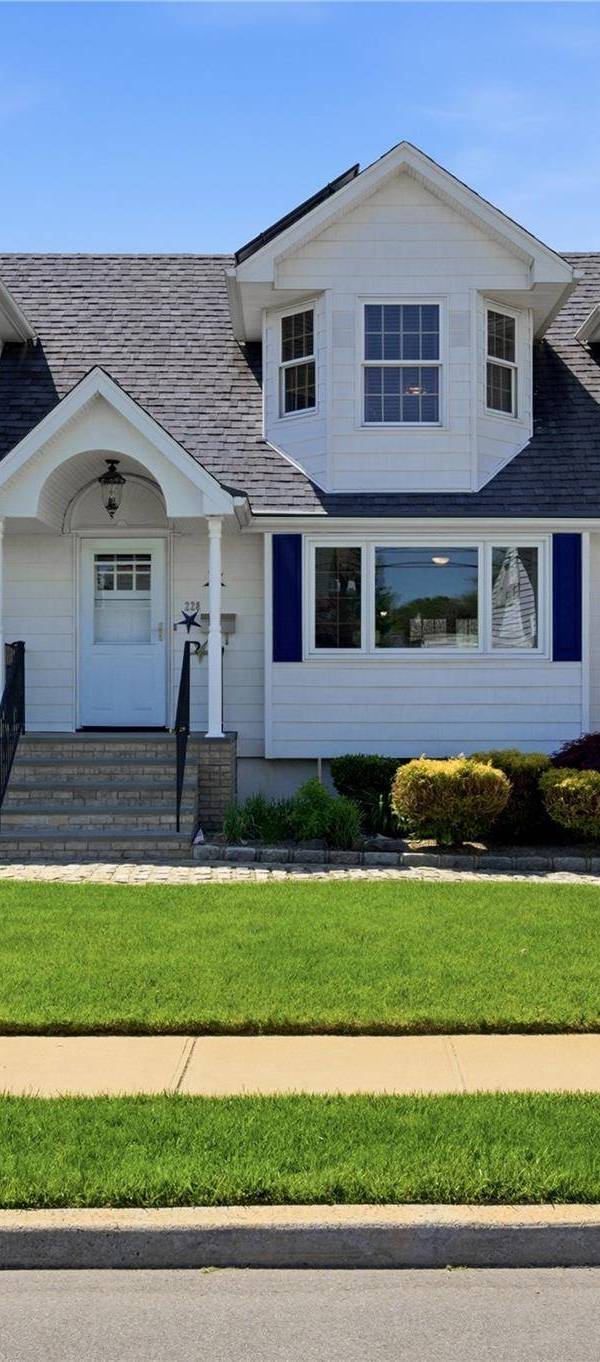
4 Bedroom Home for Sale in Massapequa Park - New York - USA
4 bed • 2 bath • 207.55 m²
$849,999
View property →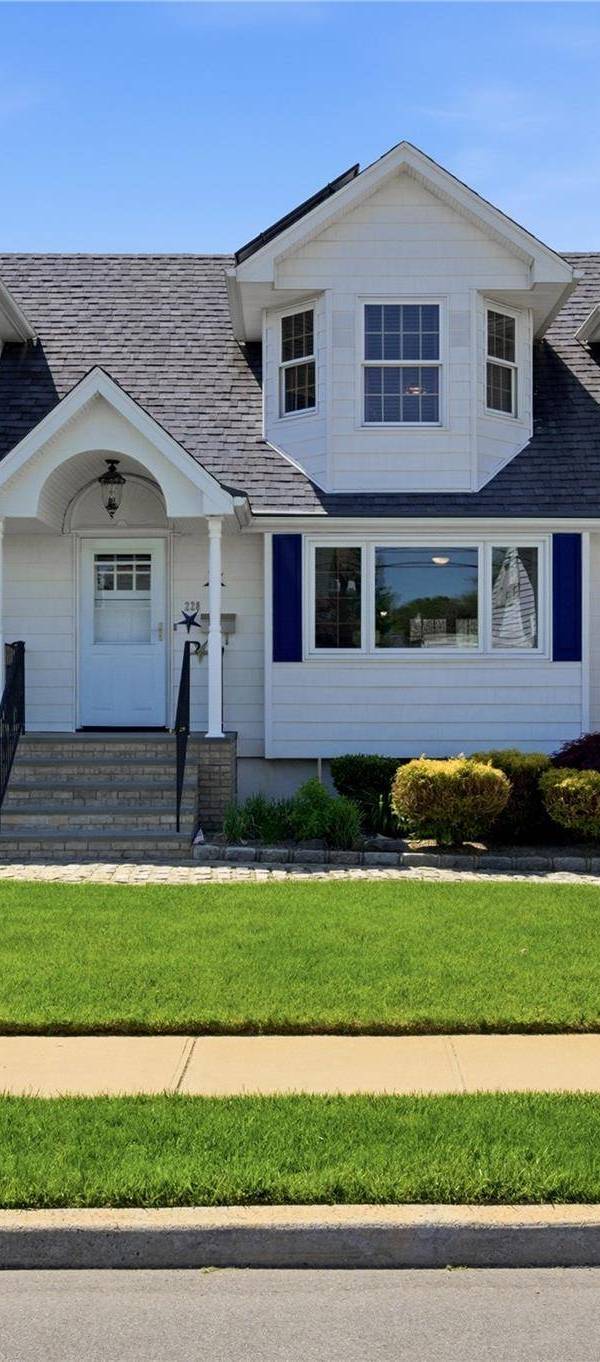
4 Bedroom Home for Sale in Massapequa Park - New York - USA
4 bed • 2 bath • 207.55 m²
$849,999
View property →