Homes for sale in Manorville
New York, USA
About Manorville
Where Manorville is
Manorville sits in central-eastern Long Island, in Suffolk County, between the towns of Brookhaven and Riverhead. It is at the point where the Long Island Expressway begins to approach its end, which is why local listings call it the gateway to the Hamptons: from here it is a few minutes' drive to the Westhampton beaches, Moriches Bay, the North Fork vineyards and the golf courses.
This is country of pine woodland, farms and developments built in blocks, with no historic centre and no downtown. What defines this place from a buyer's point of view is something else — and it is worth saying before the prices.
What to know before looking at prices
Much of this offering sits inside gated communities
Most of what is for sale in Manorville is not detached houses on ordinary streets: it is units inside gated developments, with a gate, a rulebook and a fee. Several appear here — Silver Ponds, Country Pointe, Greenwood Village — and each has its own rules. That changes three things at once: there is a monthly fee to add to the price, there is a rulebook governing alterations, letting and pets, and there is a narrower pool of buyers on resale.
And some of them are literally the same model
This is the point worth looking at closely, because it is rarely this visible. Inside Silver Ponds, the same attached-house model — the Ashton — is on the market at different addresses, with areas between 119 and 124 square metres, and at prices of 479,000, 489,990 and 499,996 dollars. That is twenty thousand dollars separating units of the same design.
For a buyer that has an immediate reading and a medium-term one. The immediate one is good: comparison is almost perfect, because the layout is identical and what remains is condition, work done and orientation of the lot — one listing itemises the date of each replacement, from roof to water heater, and that is how the difference is justified. The medium-term one is what nobody writes down: when it comes time to sell, the comparable is always right next door. Where units are interchangeable, price is what separates them, and individual appreciation counts for little.
What is on the market today
The portfolio runs from about 199,000 to 1,200,000 dollars, with the middle of the range near 495,000. There are two markets inside this list: two-bedroom attached houses, between roughly 95 and 127 square metres, in gated developments; and five-bedroom single-family houses, between roughly 305 and 353 square metres, on their own lots.
Some examples
At the top, a house of about 306 m² on nearly 0.4 hectares, with a recent roof, air conditioning, skylight and reverse-osmosis system, a heated salt-water pool and — the detail that deserves a note — first-floor guest accommodation with a bedroom, bathroom, living room, kitchen and private entrance. And a post-modern colonial of about 353 m² facing green space, with an in-ground salt-water pool and a stone patio.
In the middle and at the base, the attached houses in gated developments, with vaulted ceilings, skylights, island kitchens with granite counters, private patios and garages. Shared amenities include indoor and outdoor pools, tennis, pickleball, a gym, a clubhouse and trails.
And the cheapest entry is a home in a community for active adults over 55, with a garage, a sunroom and a bus service for residents.
What the prices say
The distance between entry and top is sixfold, but that does not describe a market — it describes two. There is practically nothing between 500,000 and 850,000: either you buy a unit in a gated development, or you buy a large house with land. Anyone looking for the middle will not find it here.
The tax, and the argument one listing makes on its own
One of the listings publishes the figure and builds an argument with it that is worth explaining, because it is correct and almost never read: 17,875 dollars of annual tax on an asking price of 1,200,000, an effective rate of about 1.5% — and then asks why anyone would build a new house and pay far higher tax.
New construction is reassessed after completion
The reasoning is this. Tax rests on the assessment of the parcel with what is built on it. A new house is only reassessed once complete and permitted, and until then the figure in circulation is a projection. A finished house, whose works have been reflected on the roll for years, has a known and verifiable bill — and that is what the listing means when it says the certificates of occupancy already reflect the current tax.
It is a true argument, and it turns into a practical question: whenever a house has recent work — an extension, a finished basement, an in-ground pool, an outbuilding — it is worth asking whether that work has already entered the assessment or is still to enter it. In the second case, the bill you see is not the bill you will pay.
And the figure published is gross
The same listing clarifies that those 17,875 dollars are without the STAR deduction. That is the honest way to put it, and it is the one that matters to a buyer: STAR is the state's school tax relief, it applies only to a primary residence, and it is a benefit the buyer has to apply for personally. A figure already net of STAR describes the seller's situation. Always ask for the gross.
Commuting
This is a car place. One listing says "short distance to the train", and that needs translating: the station is reached by car, and the lines serving this part of the island run on diesel, with far fewer trains than the electrified main line. Anyone commuting into the city regularly drives to Ronkonkoma. For everything else — shopping, beach, school — it is always the road, and in summer the corridor carrying traffic to the Hamptons and the North Fork passes through here and jams at predictable hours.
Points to consider
No age restriction is not the same as age restricted
One of the listings makes a point of saying its development is gated but with no age restriction. The caveat exists because right alongside there are communities that are restricted to over-55s — and one of them is the cheapest entry on this list. Always confirm which is the case: in a restricted community the buyer has to meet the requirement, and whoever sells afterwards can only sell to someone who also meets it.
Guest accommodation with its own kitchen is a permit
The top house describes first-floor accommodation with a bedroom, bathroom, living room, kitchen and private entrance. In practice that is a second dwelling unit, and what makes it legal in the town is its own authorisation, subject to conditions and renewal. Space and fittings are not enough: ask for the permit and the certificate of occupancy, especially if the intention is to house family or to let.
Fee, rulebook and assessments
In gated developments the monthly fee pays for the pools, the courts, the gym, the landscaping and the snow removal. It is mandatory, it rises by decision, and there can be special assessments for works — one listing notes that the association replaced roofs, which is exactly the kind of expense that comes out of that fund. Before comparing two units on price, add the annual fee to each; and ask for minutes and budgets from recent years, which say more about the future than the amenity list does.
Protected pine barrens: what can be built
This area lies within the Central Pine Barrens, Long Island's great protected pine woodland, whose management divides the land between a preservation area, where building is effectively excluded, and a compatible growth area, where building follows rules. Knowing which one a parcel falls into is a question for the land records, and it is decisive for anyone buying with an extension or outbuilding in mind. The pine woodland also carries brush fire risk, with a history in the region.
Water: public supply or a well
In this part of the county, houses connected to the public supply coexist with houses on their own wells, and well water quality has been a local subject. These differ in cost, maintenance and risk, and the answer is not in the listing. Ask whether the house is on public water or a well and, if a well, ask for the most recent test. Note that the top house installed a reverse-osmosis system — that is an investment made for a reason, and it is worth asking what it was.
Septic systems
Much of the area has no sewer network. Houses run on septic tanks and cesspools, and the county has been tightening its rules and subsidising replacement with advanced treatment systems. A house with an old system may mean a substantial replacement in the short term — and that is confirmed by permit, not by conversation.
Who this suits — and who it does not
It suits anyone who wants to live near the East End beaches and vineyards without paying East End prices, and anyone who values a development with amenities and maintenance included, with no lawn to tend. It suits anyone who wants a large house with land and a pool at a figure that does not exist further east. And it suits anyone working in this part of the island.
It does not suit anyone who depends on public transport, nor anyone commuting daily to Manhattan. It does not suit anyone looking for the middle segment, which barely exists here. And it does not suit buying a development unit expecting individual appreciation, because the comparable is always at hand for whoever buys next.
Before making an offer
Confirm whether the development has an age restriction, and which. Ask what the fee is, what it covers, when it last rose and whether an assessment is expected — and add it to the price before comparing. Ask for minutes and budgets. Ask for the tax bill and the gross figure, before STAR, and three to five years of history. On a house with recent work, ask whether that work has already entered the assessment. Ask for the permit and certificate of occupancy on any accommodation with its own kitchen. Confirm whether the house is on public water or a well, and ask for the test. Date the septic system and ask for the permit. And check which pine barrens area the parcel falls into, if there is any intention to extend.
Closing thoughts
Manorville is a cheap way into an expensive area, and that is its real advantage. What has to be understood before comparing prices is that two different things are mostly on sale here — a unit in a gated development, or a house with land — and that with the first, the uniformity that makes buying easy makes selling harder. The points above disqualify nothing: they say what to add to the price, and what to ask beforehand.
When you contact us through a property page, we forward the enquiry to the consultant responsible for that listing.
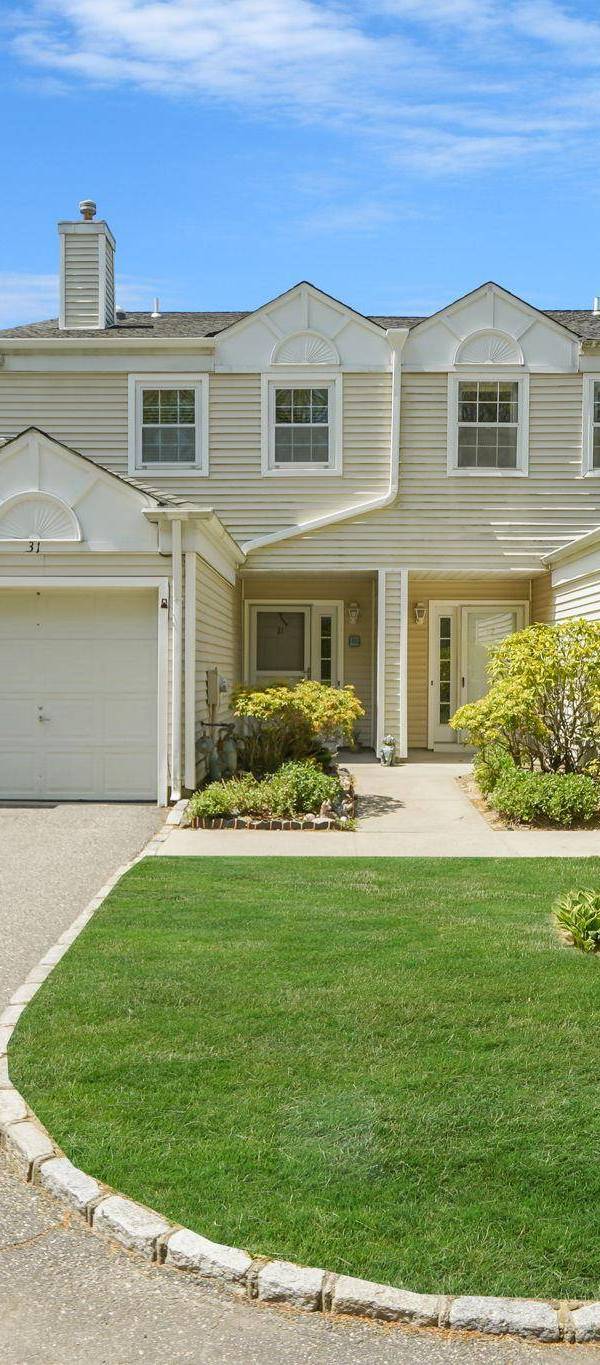
2 Bedroom Home for Sale in Manorville - New York - USA
2 bed • 2 bath • 123.84 m²
$499,996
View property →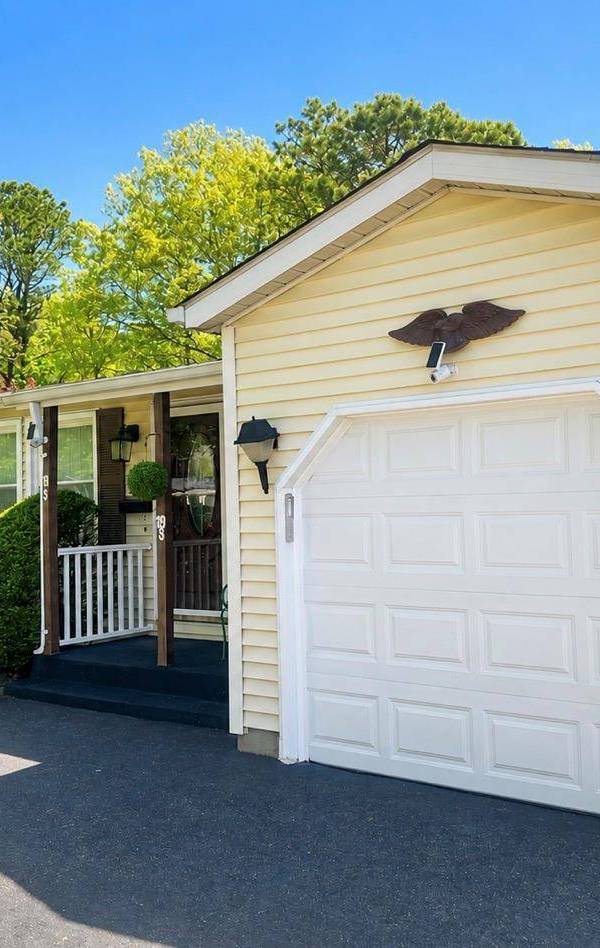
2 Bedroom Home for Sale in Manorville - New York - USA
2 bed • 2 bath • 94.85 m²
$199,000
View property →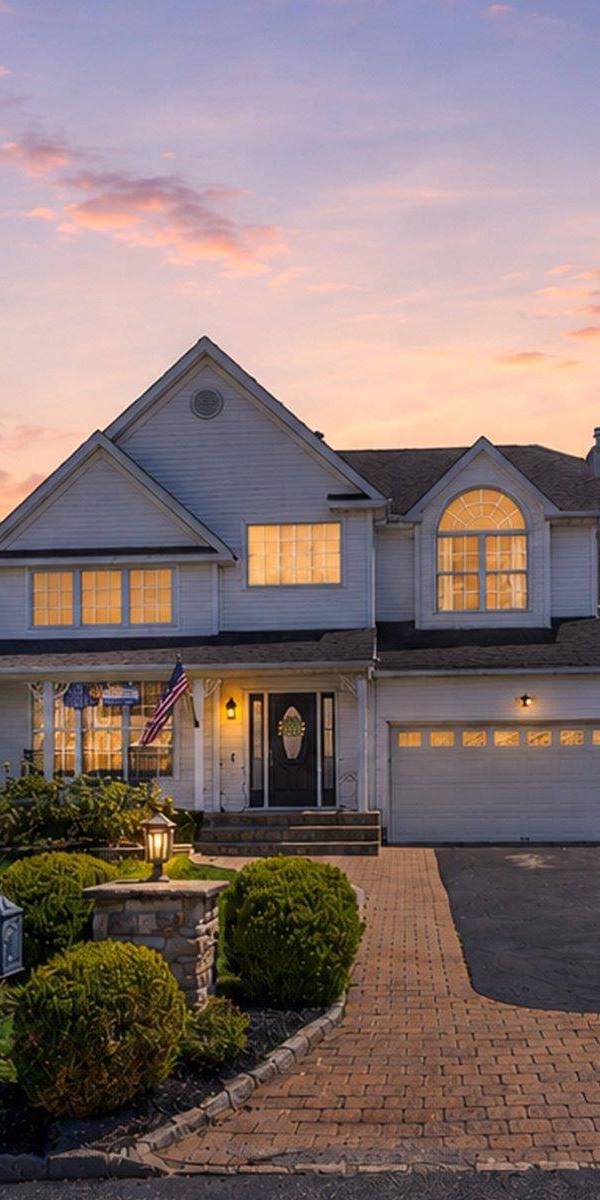
5 Bedroom Home for Sale in Manorville - New York - USA
5 bed • 4 bath • 353.03 m²
$849,999
View property →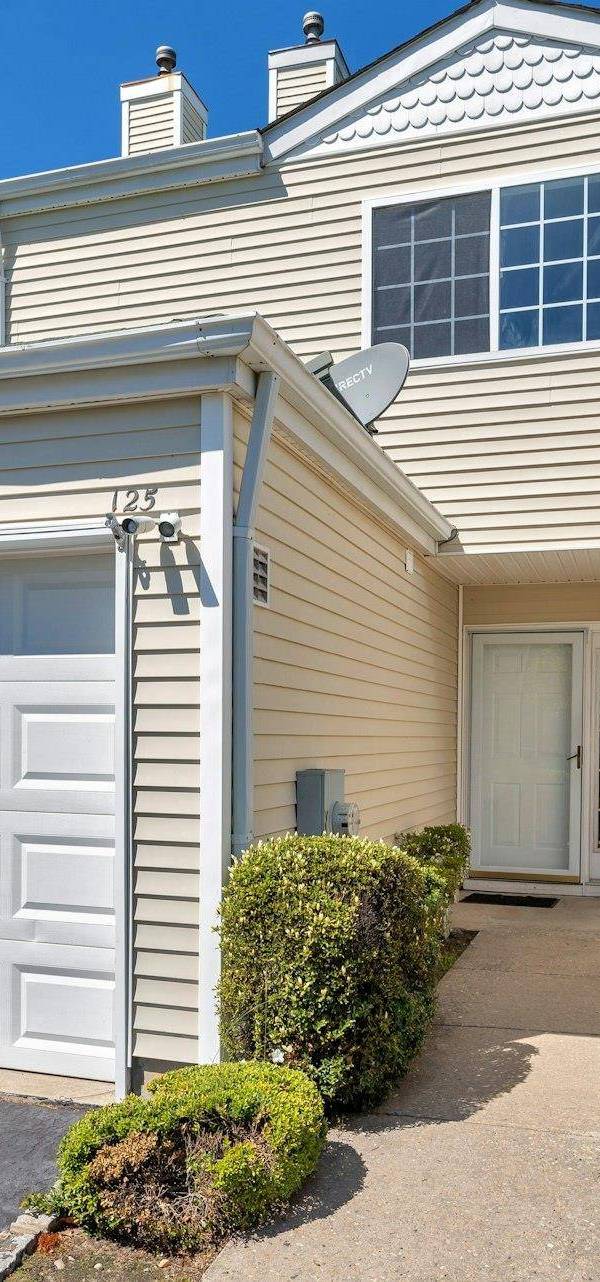
2 Bedroom Home for Sale in Manorville - New York - USA
2 bed • 2 bath • 118.92 m²
$479,000
View property →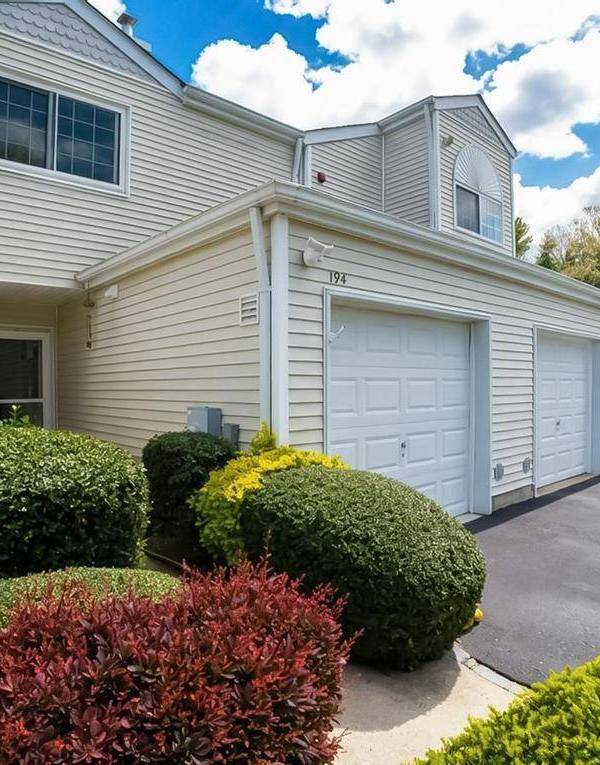
2 Bedroom Home for Sale in Manorville - New York - USA
2 bed • 3 bath • 126.63 m²
$489,990
View property →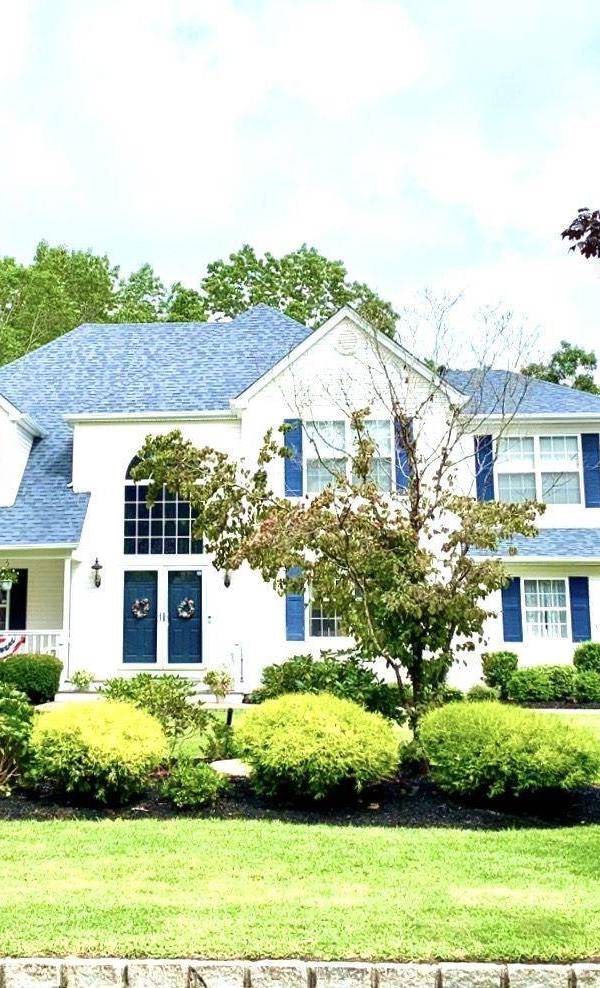
5 Bedroom Home for Sale in Manorville, New York, USA
5 bed • 4 bath • 305.56 m²
$1,200,000
View property →