Homes for sale in Fuengirola
Costa del Sol, Spain
About Fuengirola
Property for sale in Fuengirola: a full market analysis
Fuengirola is the town on the Costa del Sol that solves the problem almost every other one has: getting there. It is the terminus of the commuter rail line that connects the whole coast to Málaga and its airport, and that single fact changes the entire logic of buying here. Anyone looking for property for sale in Fuengirola — beachfront apartments, penthouses with large terraces, one-bedroom flats for letting or houses up on the hillside — is looking at the most urban, most densely built and most liquid market on the western Málaga coast. In our portfolio, prices run from €200,000 to €1.325 million, with a clear predominance of apartments and penthouses. This analysis covers the areas, the housing stock, rental potential, Spanish taxation and the real risks of buying in this town.
The train: Fuengirola's structural advantage
It is worth starting here, because this is what genuinely separates Fuengirola from its direct competitors. The Cercanías C-1 line terminates in Fuengirola and runs up the entire coast to Málaga, calling directly at the airport, with trains every twenty minutes and a journey of roughly thirty minutes from Fuengirola station to the departures terminal. No changes, no taxi, no dependence on the A-7 in August.
Marbella has no train. Estepona has no train. Neither do Benahavís or Sotogrande. On a coast where practically every purchase decision assumes a car is mandatory, Fuengirola and its neighbours Benalmádena and Torremolinos are the exceptions — and Fuengirola is the furthest west of them, meaning it is the closest to the expensive end of the coast while keeping the rail link. For second-home buyers who come for long weekends, for anyone letting short term, and above all for anyone who intends to grow old in the home they buy, this difference translates into money and quality of life over decades.
Understanding Fuengirola: a small town, very densely built
Fuengirola has around 85,000 residents in a small territory, which makes it one of the most densely populated municipalities in Andalusia. It is not a village that spread outwards: it is a town that grew upwards, along roughly eight kilometres of beach and a seafront promenade of about seven kilometres — one of the longest continuous promenades in Spain, and the real spine of local life. You can walk the entire town along the sea, and that is what many people are buying here without quite knowing how to say it.
The centre, the marina and Sohail Castle
The centre is shops, restaurants and street life all year round, with the marina to the west and, just beyond it, the hill of Sohail Castle — a fortification of medieval origin above the mouth of the Fuengirola river, now restored and used as a concert venue in summer. This is the busiest area and the one with the oldest seafront blocks, many of them thrown up during the first tourism boom. What you buy here is mostly apartments, with an enormous price gap between the front line and three streets inland.
Los Boliches
East of the centre, Los Boliches is the district with the most year-round life and the one that best balances beach, neighbourhood shops and a train station on the doorstep. It was originally a fishing settlement and still has that scale of narrow streets in parts. It is the preferred area of permanent residents, and consequently the one with the most consistent residential rental market.
Torreblanca and the upper town
Torreblanca climbs the hillside from the railway line and offers what the seafront cannot: open sea views, more quiet and a lower price per square metre. The trade-off is the gradient — there are streets where the station is a ten-minute walk downhill and twenty back up — and greater dependence on a car for everyday shopping.
Carvajal and El Higuerón
At the eastern edge, right against Benalmádena, Carvajal has one of the quietest beaches in the municipality and a station of its own. Above it, El Higuerón is Fuengirola's most expensive address: recent contemporary hillside developments with wide views over the bay, tied to the hotel and sports complex that grew up there. This is where values approach those of Benalmádena Pueblo and where the municipality's high-end new-build supply is concentrated.
Los Pacos and inland
Los Pacos and the more inland areas are residential, with houses and low-rise blocks, sought after by families who live here all year. Mostly without sea views, but with the most affordable prices in the municipality and schools close by.
What you buy in Fuengirola
Fuengirola is, above all, an apartment market. Our portfolio reflects that honestly: of twenty-three properties, the overwhelming majority are apartments and penthouses, and only a small minority are houses. Supply falls into four clear segments.
The one-bedroom apartment between €225,000 and €330,000 is the entry product and the most liquid on the whole coast: small, easy to let, easy to resell, with permanent demand. The two- and three-bedroom apartment between €290,000 and €700,000 is the body of the market, where price differences are explained almost entirely by three variables — distance to the sea, floor level and terrace. Penthouses, from €225,000 up to €1.325 million, are the segment where Fuengirola competes with anywhere: the top-floor flat with a roof terrace and an unobstructed view is the local product par excellence and the one that best holds value on resale. And houses, between €775,000 and a little over a million, are rare by definition in a municipality with no land left — which is precisely what makes them interesting.
One point worth remembering: the terrace and the orientation are worth more in Fuengirola than the internal floor area. Two apartments of the same size in the same building can be thirty per cent apart in price depending on whether one has a usable south-facing terrace and the other does not.
Who lives in Fuengirola
Fuengirola has one of the most established resident foreign populations in Spain, and it is not a seasonal community: these are people who live here. The Nordic presence is particularly striking — the town's Finnish community is the largest in the country, with its own Finnish school and church — and the same pattern repeats on a smaller scale with Swedes, Norwegians, Danes and the British. This has practical consequences: services that work in January, restaurants open out of season, shops that do not close, and a medium-term rental market that exists all year. It is the opposite of a seasonal resort.
The International Peoples' Fair, which the town stages annually with pavilions from dozens of nationalities, is the most visible expression of that mix. And the Bioparc, an immersive-concept zoo set within the urban fabric, is the attraction that brings most visitors outside summer.
Rental potential
Fuengirola probably has the most balanced rental profile of any municipality on the Costa del Sol, and the reason is again the train. Summer holiday turnover works because the beach and the promenade are on the doorstep; medium-term autumn-to-spring letting works because the town stays alive and because getting in from the airport is trivial; and year-round residential letting works because there is a permanent population that needs housing.
Against that, supply is vast and very similar to itself — thousands of two-bedroom flats in blocks with a pool — so differentiation does not come from the generic location but from the actual condition of the property, the terrace, the floor and the view. And before assuming any holiday-letting scenario, it is essential to read the following section carefully.
Taxation and purchase costs
In Andalusia, buying a resale home attracts ITP transfer tax at 7% of the deed value. New build follows a different rule: 10% VAT plus 1.2% AJD stamp duty. On top of these come notary, land registry and administrative fees, which in practice add another one to two per cent, plus legal fees.
In ownership, you have municipal IBI property tax, the community of owners' fee — which in a building with pool, gardens and lift is not trivial — and, for anyone not tax-resident in Spain, IRNR non-resident income tax. There is a distinction here that many people discover too late: residents of another EU or EEA country are taxed at 19% and may deduct expenses; residents outside the EU are taxed at 24% on gross income, with no deductions at all. On an annual rent of €18,000, the difference between the two can exceed €3,000 a year. And even without letting, a property kept for personal use generates deemed rental income, which is also declarable.
Points to consider
None of these disqualifies Fuengirola. But ignoring them is exactly how people buy badly here.
An ageing housing stock
This is Fuengirola's central issue and the one that costs the most money to those who do not study it. A good share of the seafront and central blocks was built between the 1960s and the 1980s, during the tourism boom, to construction standards that bear no relation to today's: poor thermal and acoustic insulation, plumbing and wiring at the end of their life, façades punished by decades of salt air. Many buildings have already been through, or are going through, the ITE — the mandatory technical building inspection — and out of it come refurbishment works paid for through derramas, extraordinary levies split among all owners that can run to tens of thousands of euros per unit. Before making any offer, ask for the minutes of the last three owners' meetings and ask explicitly whether a levy has been approved, is planned or is under discussion. An apparently cheap flat behind an unrestored façade may not be cheap at all.
There is also a practical matter that comes up repeatedly: many older three- and four-storey buildings have no lift, and installing one afterwards requires a majority vote and expensive works. For a purchase intended for the long term, this is decisive.
Density, height and what that means in practice
Fuengirola is vertical and compact. That brings the good — everything on foot, permanent services, public transport — and the bad: shadows cast by neighbouring blocks, views that can disappear, little privacy and urban noise. Always check the planning status of surrounding plots before paying a premium for a sea view. And visit at different times of day: a terrace that is delightful at eleven in the morning may sit in the shadow of a tower from four in the afternoon.
Summer crowding and noise
Between July and August the town's population multiplies. Packed beach, packed promenade, packed restaurants and difficult traffic. The marina, the centre and the seafront have genuine night-time noise in high season — not a minor detail for anyone intending to live here permanently. Parking is scarce and expensive in the centre: a private garage space stops being a convenience and becomes a purchase criterion.
The beach needs continuous maintenance
The urban beaches of the Costa del Sol, Fuengirola's included, are subject to periodic regeneration with sand replenishment, and winter storms cause erosion and force recurring intervention. This is a known and managed fact, but it is worth understanding that the coastline here is not static and that replenishment works are part of the town's normal calendar.
Water in Andalusia
The region has been through severe drought episodes in recent years, with consumption restrictions that at times affected garden irrigation, pool filling and beach showers across several coastal municipalities. This is a structural climate risk, not a passing one, and it belongs in the assessment of anyone buying a property with a private garden or pool.
Buying here does not grant residency
This needs saying plainly because outdated information still circulates: the Spanish Golden Visa through real-estate investment ended in 2025. Buying a home in Spain does not confer a residence permit. Anyone who is not an EU citizen remains subject to the general rule of ninety days in any one hundred and eighty within the Schengen Area, and living here requires a visa of its own, with its own requirements, entirely separate from the purchase.
Holiday letting: the licence and the community
Letting to tourists in Andalusia requires registration as a Vivienda con Fines Turísticos with the regional government, with concrete technical requirements — air conditioning, fire extinguisher, mandatory information, among others. And there is a recent change that alters many people's calculations: communities of owners may, by qualified majority, restrict or prohibit holiday letting in the building. In other words, the administrative licence is not enough; the building's statutes and resolutions must also allow it. Verify both, in writing, before signing — not after.
Who Fuengirola suits — and who it does not
It suits
Anyone who wants to live without a car, or reduce dependence on one to a minimum, somewhere with a beach, shops and a train. Anyone seeking liquidity: getting into and out of this market is easier than almost anywhere on the coast. Anyone wanting income with smoothed seasonality, combining summer holiday lets with medium-term winter tenancies. Anyone who values a town that functions in January, with real services, healthcare and social life. And anyone entering the Costa del Sol on a contained budget — €200,000 to €300,000 buys something usable here, which is no longer true in Marbella.
It does not suit
Anyone seeking exclusivity, land and privacy — that is Benahavís, Sotogrande or the Marbella hillside. Anyone wanting new build in quantity, which is Estepona. Anyone who cannot tolerate urban density and a crowded summer. Anyone wanting recent housing stock without works or inherited levies. And anyone counting on residency through purchase, which no longer exists.
Fuengirola compared with its neighbours
Against Benalmádena: these two are the most alike — train, airport close, high density. Benalmádena has the advantage of its Andalusian-character Pueblo and of topography with views; Fuengirola has the continuous promenade, more street-level urban life and a flatter, more walkable centre. Against Torremolinos: Torremolinos is closer to the airport and has more intense nightlife and cultural life; Fuengirola is more family-oriented and more residential. Against Marbella: they do not compete — Marbella has the status, the luxury and the prices; Fuengirola has the train and the affordability. Against Estepona: Estepona offers new stock and a well-kept old town, but sits an hour from the airport with no train; Fuengirola offers the reverse. Against the Algarve: a similar climate, but the Algarve is more dispersed and less urban, with different taxation and a different legal framework.
Due diligence specific to Fuengirola
Beyond the usual — the nota simple from the land registry, the first-occupation licence, checking community debts, which in Spain follow the property, and reconciling discrepancies between cadastre and registry on floor areas — there are checks that carry more weight here than elsewhere.
Ask for the meeting minutes and the community's real budget, with explicit attention to levies. Confirm whether the building has already passed the ITE and with what result. Check whether there is a lift and, if not, whether an approved project exists. Insist on knowing whether the garage space is privately owned and on the deed or merely allocated for use. Confirm solar orientation and shading at various hours of the day. Check the planning status of adjoining plots before paying for a view. Ask for the energy certificate and read it seriously: in a 1970s building it foretells the heating and cooling bill. And if letting is part of the plan, validate the VFT licence and the community rules together. Always engage an independent lawyer, never the one recommended by the seller.
In summary
Fuengirola is not the prettiest town on the Costa del Sol and does not pretend to be. It is the most practical. It has the coast's only combination of urban beach, a town alive all year, accessible entry prices and a direct train to the airport — and it is that combination, not the scenery, that underpins property values here. The risk is equally clearly identified and always the same: the building, not the town. In a housing stock half a century old, the difference between a good and a bad purchase is decided in the community minutes and the state of the façade, far more than in the street or the district. The points to consider above do not argue against Fuengirola; they describe the map for anyone buying here with their eyes open.
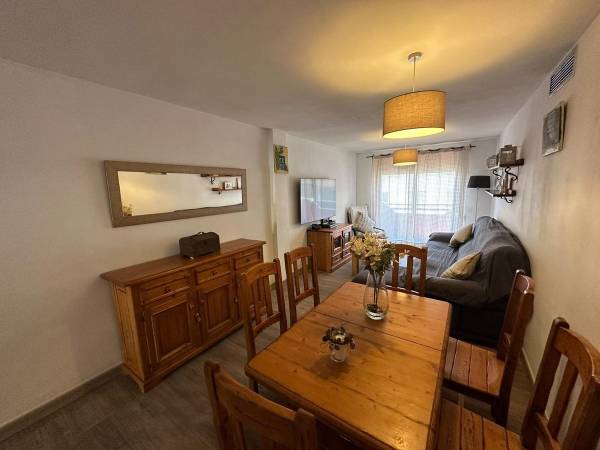
3-Bedroom Apartment for Sale in Fuengirola, Costa del Sol
3 bed • 2 bath • 78 m²
€349,000
View property →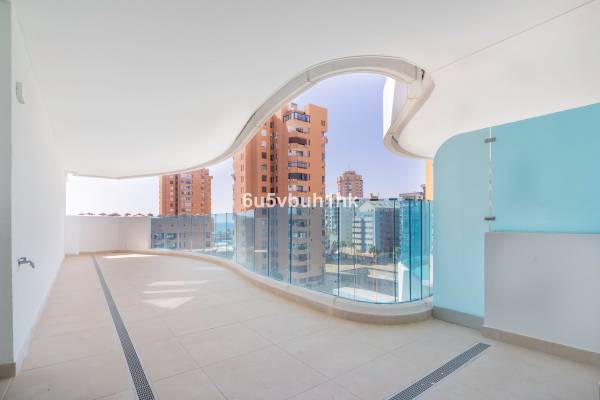
3-Bedroom Apartment for Sale in Fuengirola, Costa del Sol
3 bed • 2 bath • 182 m²
€695,000
View property →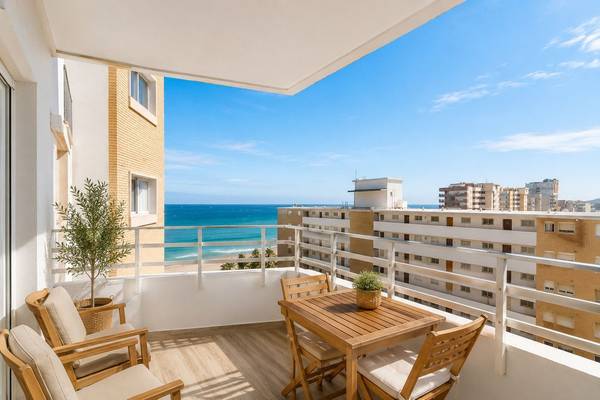
1-Bedroom Apartment for Sale in Fuengirola, Costa del Sol
1 bed • 1 bath • 44 m²
€330,000
View property →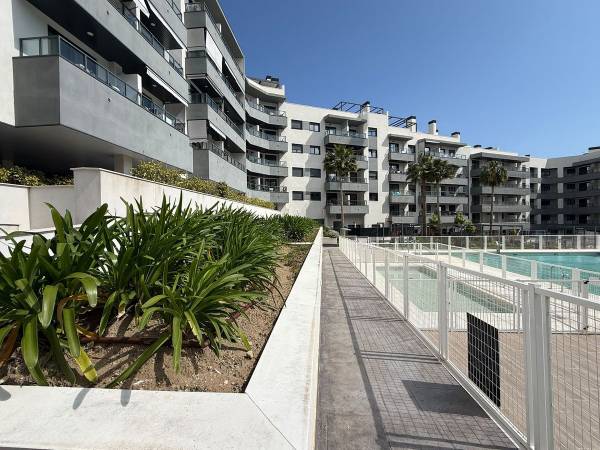
2-Bedroom Apartment for Sale in Fuengirola, Costa del Sol
2 bed • 2 bath • 72 m²
€369,500
View property →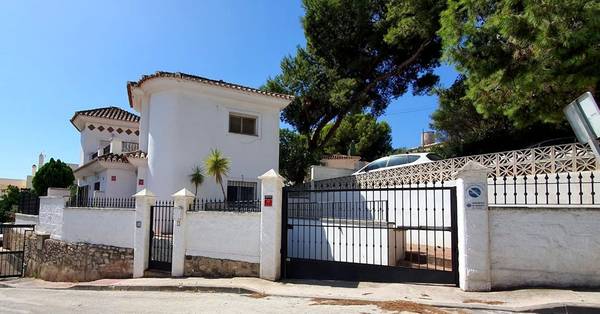
4-Bedroom House for Sale in Fuengirola, Costa del Sol
4 bed • 3 bath • 250 m²
€775,000
View property →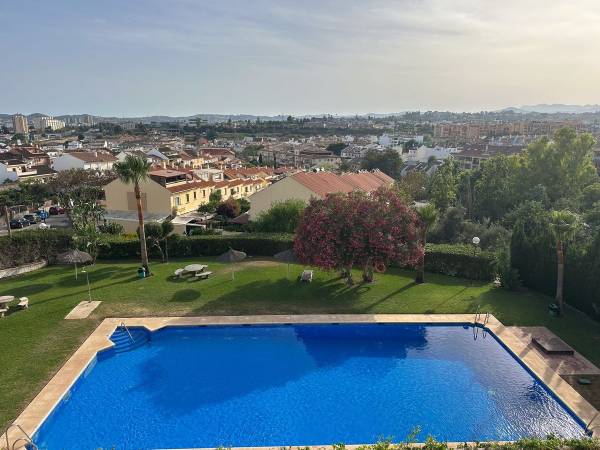
2-Bedroom Penthouse for Sale in Fuengirola, Costa del Sol
2 bed • 1 bath • 90 m²
€395,000
View property →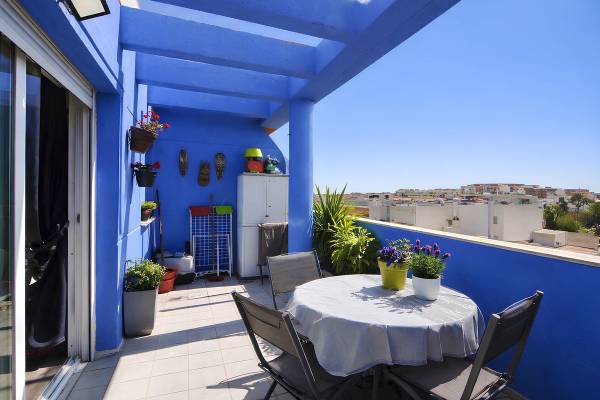
1-Bedroom Penthouse for Sale in Fuengirola, Costa del Sol
1 bed • 1 bath • 43 m²
€225,000
View property →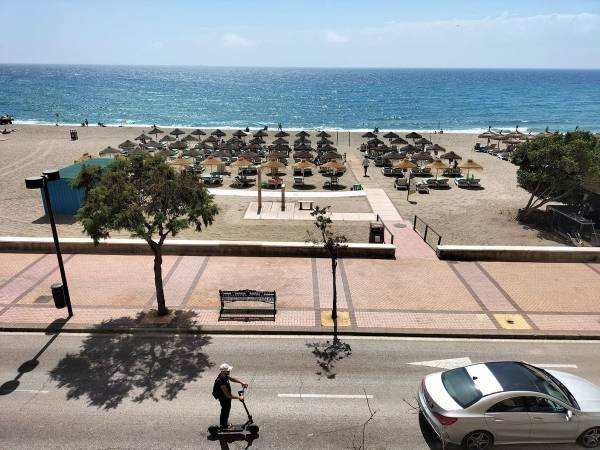
1-Bedroom Apartment for Sale in Fuengirola, Costa del Sol
1 bed • 1 bath • 61 m²
€450,000
View property →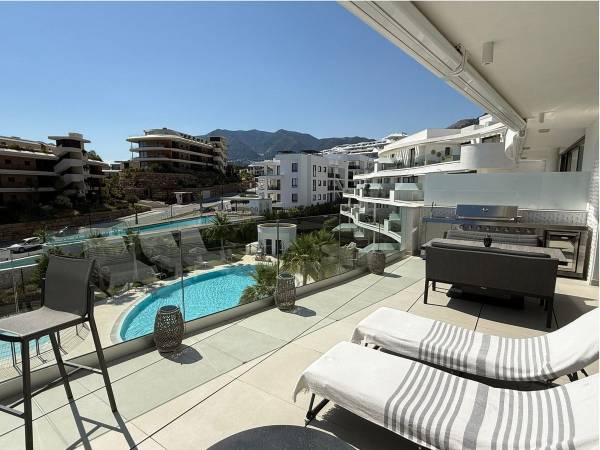
2-Bedroom Apartment for Sale in Fuengirola, Costa del Sol
2 bed • 2 bath • 88 m²
€570,000
View property →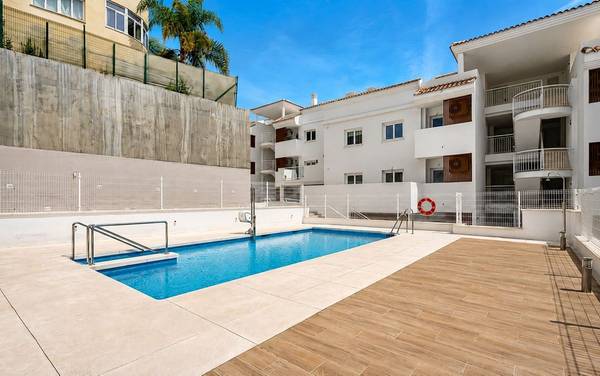
4-Bedroom Penthouse for Sale in Fuengirola, Costa del Sol
4 bed • 2 bath • 112 m²
€650,000
View property →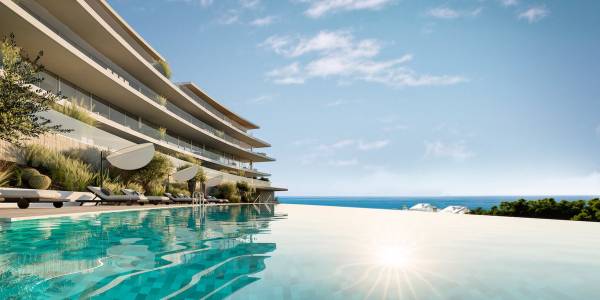
2-Bedroom Apartment for Sale in Fuengirola, Costa del Sol
2 bed • 2 bath • 106 m²
€885,000
View property →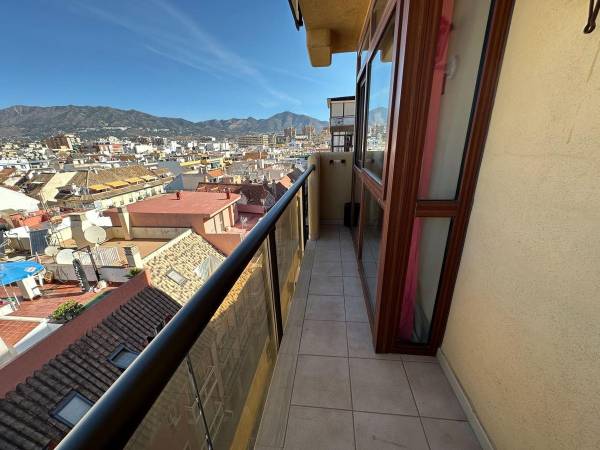
1-Bedroom Apartment for Sale in Fuengirola, Costa del Sol
1 bed • 1 bath • 40 m²
€269,000
View property →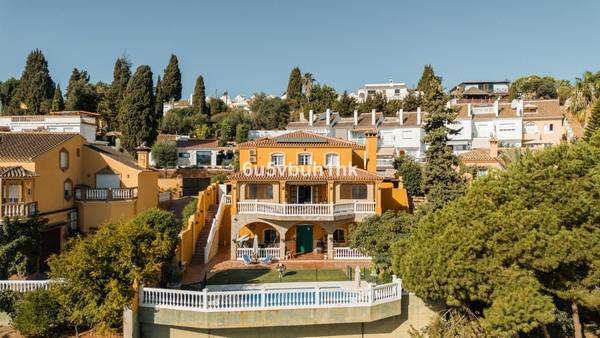
5-Bedroom House for Sale in Fuengirola, Costa del Sol
5 bed • 4 bath • 382 m²
€1,060,000
View property →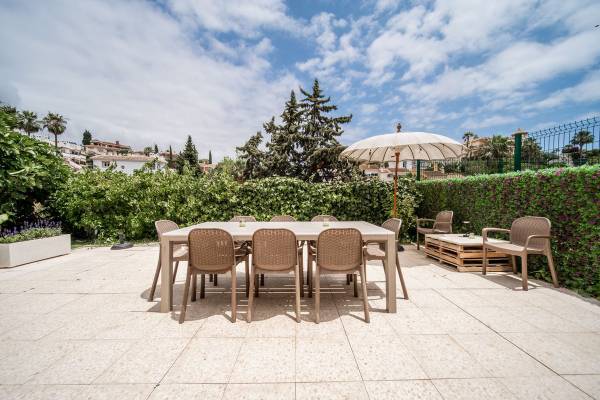
9-Bedroom House for Sale in Fuengirola, Costa del Sol
9 bed • 4 bath • 709 m²
€830,000
View property →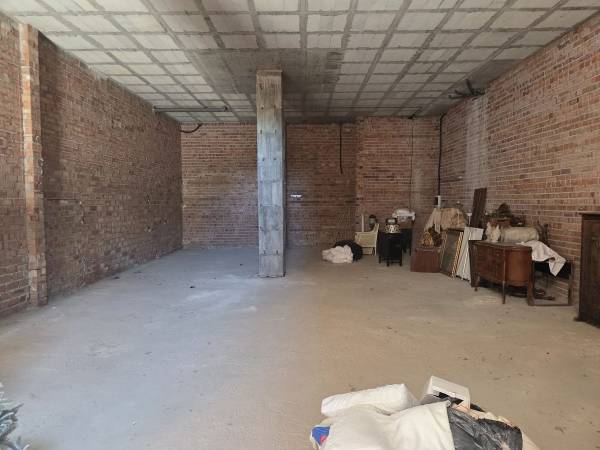
Apartment for Sale in Fuengirola, Costa del Sol
1 bath • 145 m²
€250,000
View property →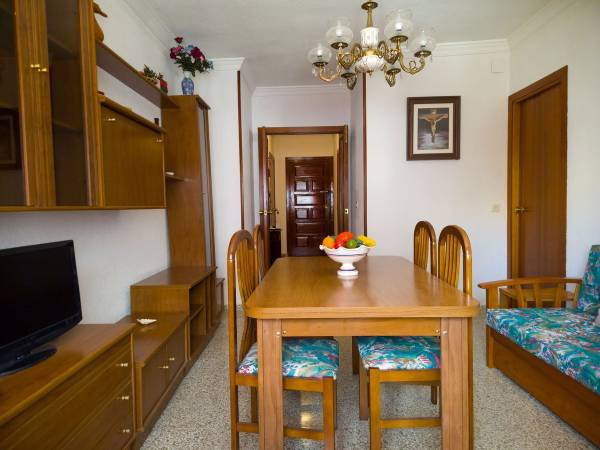
3-Bedroom Apartment for Sale in Fuengirola, Costa del Sol
3 bed • 2 bath • 89 m²
€330,000
View property →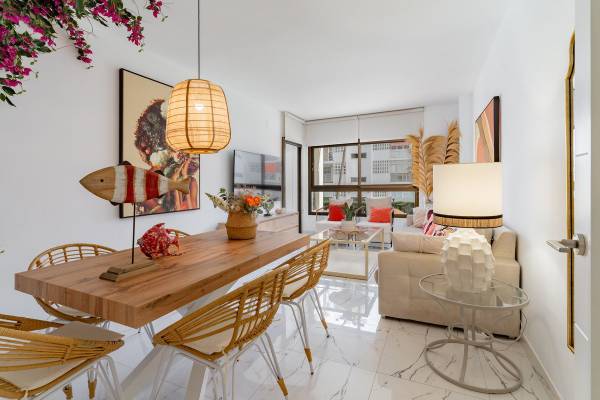
4-Bedroom Apartment for Sale in Fuengirola, Costa del Sol
4 bed • 2 bath • 182 m²
€800,000
View property →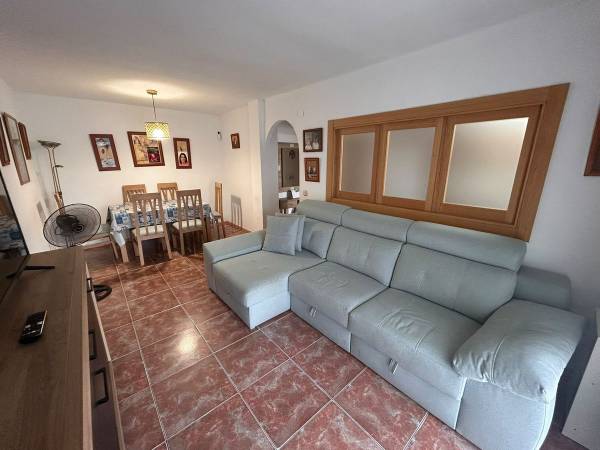
3-Bedroom Apartment for Sale in Fuengirola, Costa del Sol
3 bed • 1 bath • 182 m²
€290,000
View property →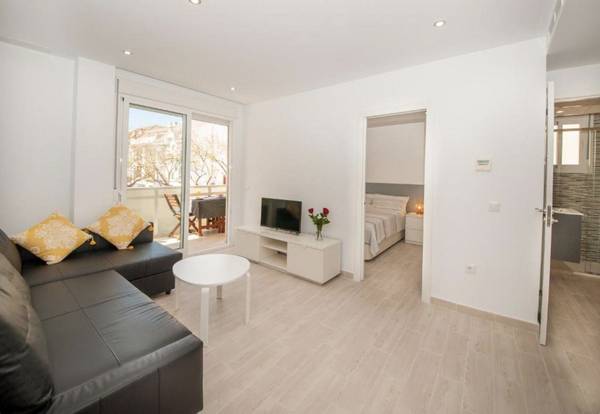
1-Bedroom Apartment for Sale in Fuengirola, Costa del Sol
1 bed • 1 bath • 45 m²
€295,000
View property →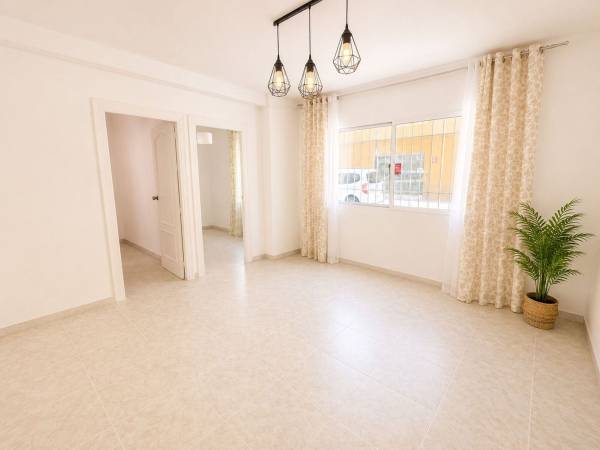
3-Bedroom Apartment for Sale in Fuengirola, Costa del Sol
3 bed • 1 bath • 182 m²
€200,000
View property →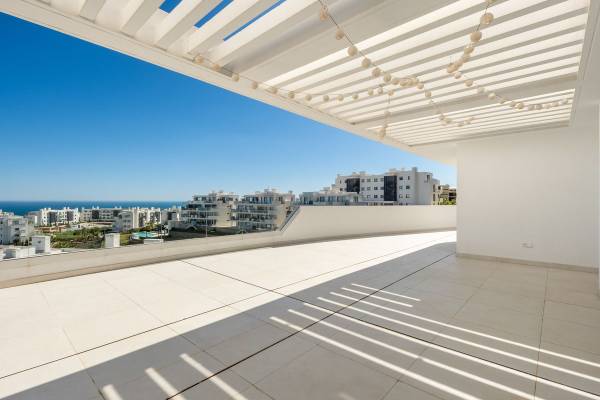
3-Bedroom Penthouse for Sale in Fuengirola, Costa del Sol
3 bed • 2 bath • 142 m²
€1,325,000
View property →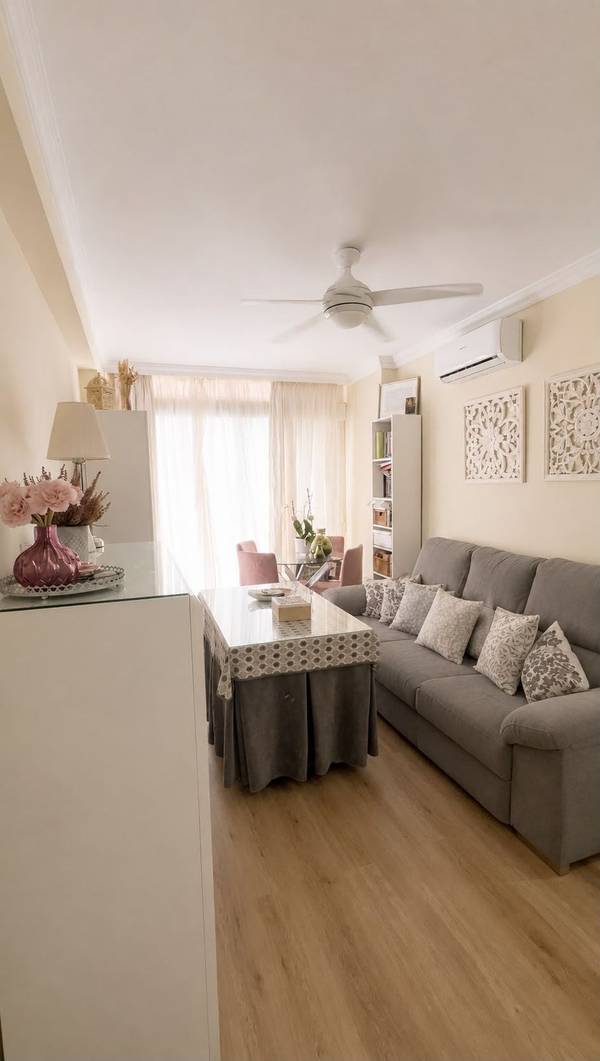
3-Bedroom Apartment for Sale in Fuengirola, Costa del Sol
3 bed • 2 bath • 168 m²
€497,750
View property →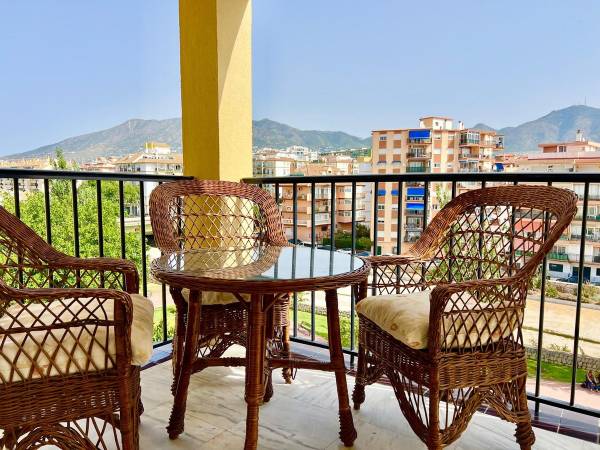
4-Bedroom Apartment for Sale in Fuengirola, Costa del Sol
4 bed • 2 bath • 111 m²
€595,000
View property →