Homes for sale on Dune Road - Hamptons - New York - USA
About Dune Road
Real Estate for Sale on Dune Road, Hamptons (New York): Complete Market Analysis
Dune Road is not a city — it is the barrier island coastal corridor that runs for approximately 20 km (12 miles) along the south shore of Long Island, in the Town of Southampton, Suffolk County, New York State. The road follows the strip of sand between the Atlantic Ocean (to the south) and a chain of shallow bays (Moriches Bay, Quantuck Bay, Shinnecock Bay, to the north), crossing or serving five distinct communities: Westhampton Dunes, Westhampton Beach, Quogue, East Quogue, and Hampton Bays.
It is one of the most concentrated oceanfront addresses in the Hamptons. Practically every property on Dune Road is located on the barrier island — meaning it is either oceanfront, bayfront or, in the narrower sections, ocean-to-bay (from the ocean to the bay on the same lot). The profile is predominantly high-end second homes and seasonal summer rentals, with typologies ranging from beach houses elevated on pilings to contemporary estates with signature architecture. It is not a primary residence market or for year-round use — it is driven by seasonal use, beach lifestyle, and high-ticket investment, with the specific risk layer of buying on an exposed barrier island.
Dune Road — Understanding the Geography
Dune Road is a single long road, but the value and character change significantly from west to east, depending on the village, the width of the island, and proximity to inlets (channels connecting the bay and ocean). From west to east:
Westhampton Dunes (Far West, near Moriches Inlet)
- Its own incorporated village, recreated after the destruction of 1992 (see risks section). Narrow strip of sand, ocean-to-bay on many lots
- Houses elevated on pilings, mostly post-1995 reconstruction, high standard
- Range: US$ 2M – US$ 8M, with premium oceanfront above
Westhampton Beach (The Anchor Village)
- The busiest village in the western stretch, with a consolidated Main Street (restaurants, shops, Performing Arts Center). Dune Road here is the village's oceanfront strip
- A mix of classic beach houses and contemporary oceanfront estates; some of the most valuable addresses in the western corridor
- Range: US$ 3M – US$ 20M+ (prominent oceanfront at the top)
Quogue
- Discreet, low-density historic village, traditionally one of the most private in the Hamptons; strong zoning control
- Large oceanfront and bayfront lots, established beach houses, understated "old-money" profile
- Range: US$ 3M – US$ 15M+
East Quogue
- More accessible hamlet in relative terms; stretch of Dune Road with beach houses and bayfronts
- Lower price entry point for the corridor, while still being on the barrier island
- Range: US$ 1.6M – US$ 6M
Hampton Bays (Far East, near Shinnecock Inlet)
- Eastern stretch of Dune Road, near Shinnecock Inlet; more varied profile, from residential to commercial/nautical
- Includes commercial and hospitality properties (waterfront restaurants, marinas), in addition to houses
- Residential range: US$ 1.6M – US$ 7M; commercial assets priced by revenue
What Defines Price Within the Corridor
- Position: direct oceanfront > ocean-to-bay > bayfront > "second row". Oceanfront commands the highest premium
- Beach frontage (linear feet) and lot width
- Elevation grade and FEMA status (elevated and compliant houses are worth more and are insurable)
- Village: Quogue and Westhampton Beach tend toward the top; East Quogue and Hampton Bays offer entry points
- Construction status: new contemporary estate vs. old beach house to be renovated
Why Dune Road Makes Sense
- Real Hamptons Oceanfront — one of the highest concentrations of waterfront properties in the East End, with direct access to the Atlantic beach
- Ocean-to-bay — lots spanning from the ocean to the bay allow for a beach to the south and a dock/boating to the north on the same property, a rare and valued configuration
- Robust Summer Rental Market — the Hamptons season (Memorial Day to Labor Day) sustains high-value seasonal rentals for oceanfront homes
- Hamptons Brand — international recognition liquidity in the luxury segment, with demand from high-net-worth buyers
- Broad Price Spectrum — from relative entry (East Quogue/Hampton Bays, US$ 1.6M) to trophy (Westhampton Beach/Quogue, US$ 20M+)
- Proximity to NYC — ~2h–2h30 drive from Manhattan; seasonal train service (LIRR) and jitney; regional heliport/airport (East Hampton / Westhampton — Gabreski) for those using aviation
- Boating — access to protected bays, marinas, and inlets to the ocean
Typologies and Price Ranges
Ranges reflect active inventory for 2025–2026 and vary by village, position (oceanfront/bayfront/ocean-to-bay), beach frontage, elevation, and construction status. The actual range observed for active properties with a Dune Road address goes from approximately US$ 1.6M to US$ 39M:
- Bayfront / "second row" beach house for renovation (East Quogue, Hampton Bays), 100–200 m², elevated on pilings: US$ 1.6M – US$ 3M
- Classic oceanfront/ocean-to-bay house, 200–350 m², 3–5 bedrooms, habitable to renovated condition (Westhampton Dunes, Westhampton Beach): US$ 3M – US$ 7M
- High-end contemporary oceanfront house, 350–550 m², pool, deck, premium finishes: US$ 7M – US$ 15M
- Trophy oceanfront estate, signature architecture, 550 m²+, wide beach frontage, ocean-to-bay with dock: US$ 15M – US$ 39M+
- Commercial / Hospitality assets (waterfront restaurant, commercial building, marina — primarily Hampton Bays): priced by revenue and licenses, not by residential m²
Older houses on Dune Road frequently require elevation to current FEMA standards and post-storm structural updates. Construction costs on the barrier island are higher than on the mainland (logistics, piling foundations, coastal code requirements): budget generously and confirm what is permitted to be rebuilt/expanded before purchasing.
Investment Analysis
Appreciation
Hamptons oceanfront saw strong appreciation 2020–2022 (post-pandemic migration from NYC and luxury demand), followed by stabilization at a high plateau in 2023–2025. The trophy segment (US$ 10M+) is less correlated to interest rates and more to wealth cycles and scarce waterfront inventory. The supply of oceanfront is, by definition, finite — no new waterfront land is created — which sustains value in the long term, balanced by the physical risk (erosion/storm) described below.
Seasonal Summer Rental (The Hamptons Model)
Returns on Dune Road come primarily from vacation rentals, not annual leases. The dominant model is seasonal rental (month-to-month, August, or full Memorial Day–Labor Day season), rather than overnight Airbnb. Reference values for oceanfront homes vary widely by standard and year:
- Average beach house: tens of thousands of dollars per peak season month
- Premium oceanfront / estate: full season can reach hundreds of thousands of dollars
⚠️ Southampton Rental Regulation: The Town of Southampton requires a rental permit (registration), imposes a minimum lease period, and limits the number of short-term rentals per year. Overnight Airbnb is NOT unrestricted. Confirm current village/town rules and obtain the permit before assuming a rental thesis. Collection includes NY sales tax and, where applicable, local occupancy taxes.
Yield and Carrying Costs
Gross yield relative to property value is structurally low in luxury oceanfront (very high asset price vs. revenue from a few months). Carrying costs are heavy: property tax, wind + flood insurance (expensive and increasing — see risks), maintenance aggravated by sea air, and storm reserves. A realistic thesis combines personal use + partial seasonal rental + long-term appreciation, not pure cash flow.
Exit Strategy
Capital gains are subject to NY state tax (4–10.9%) + federal tax (0/15/20% long-term). FIRPTA: 15% federal withholding on the gross price for sales by non-residents (recoverable; reducible via Form 8288-B). Liquidity for trophy oceanfront is relatively low in terms of transaction volume, but with qualified and global demand in the luxury bracket.
Points of Attention (Real risks that don't appear in the listing)
Barrier Island: Erosion and Exposure
Dune Road is on a barrier island — a dynamic strip of sand between the ocean and the bay. This means continuous coastal erosion, dunes that advance and retreat, and direct vulnerability to storm surges. The width of the island varies: in some stretches, it is narrow enough that a single storm threatens to open a breach. This is the number one risk factor for the address and must be weighed in any purchase.
Storm History (Recent and Real Memory)
- 1938 Hurricane ("Long Island Express"): devastated the south shore; historical reference for destruction potential
- December 1992 Nor'easter: opened a breach in Westhampton Dunes and destroyed/damaged a large number of homes; an episode that reconfigured the area and generated prolonged litigation regarding the groins/jetties of Westhampton (structures that protected one stretch but accelerated erosion to the west, "downdrift"). The village of Westhampton Dunes was rebuilt afterward with beach renourishment
- Hurricane Sandy (2012): another round of damage and erosion in the corridor
This history is not theoretical: it defines insurance, building codes, and resale value.
FEMA — VE Zones and Elevated Construction
Much of Dune Road is in FEMA Zone VE (velocity zone, with wave action) — the highest risk category. This implies: house elevated on pilings above the Base Flood Elevation, ground floor area without habitable enclosure (breakaway walls only), and high flood insurance premiums. An older non-compliant house can be expensive or impossible to insure and difficult to rebuild to the same dimensions. Check the Elevation Certificate and compliance status.
CBRA / CBRS — Critical Attention to Federal Insurance
Parts of barrier islands in the US are within Coastal Barrier Resources System (CBRS) units, where federal flood insurance (NFIP) is NOT available and there are restrictions on federal spending. If a lot is in a CBRA zone, the buyer depends on private market flood insurance (more expensive, variable conditions). Verifying the CBRA designation of the specific lot is a mandatory part of due diligence on Dune Road.
Post-2022 Coastal Insurance Crisis
The NY coastal insurance market has tightened significantly: insurers have reduced exposure or exited, leaving excess & surplus lines and the NY FAIR Plan as a last resort. Features to expect: percentage wind deductible (typically 2–5% of the insured value, not a fixed amount), NFIP limit of US$ 250,000 for the structure (almost always insufficient — requires excess flood), and quotes that change year to year. Quote insurance BEFORE closing, not after — it can change the viability of the deal.
Access, Services, and the Road Itself
Dune Road is a coastal road subject to tidal/storm flooding and closures. Services: most houses use wells/local supply and septic systems (coastal systems require care with the water table and salinity); confirm infrastructure. Consider seasonal isolation and maintenance logistics on the island.
Maintenance Costs Aggravated by Sea Air
The oceanic environment accelerates corrosion and wear: hardware, window frames, systems, decking, and paint have a shorter lifespan. A realistic maintenance provision for oceanfront is higher than for a mainland house — budget generously, in addition to climate event reserves.
Liquidity and Horizon
Trophy oceanfront (US$ 10M+) has few transactions and a potentially long sales period. Entry-level ranges (East Quogue/Hampton Bays) have better liquidity. It is important to align with the buyer's horizon.
New York + East End (Southampton/Suffolk) Taxation — Checklist
- Peconic Bay Region Community Preservation Fund (CPF): 2% transfer tax on East End purchases (includes Southampton), paid by the buyer, on the value above the applicable exemption (modest thresholds for improved property). On Dune Road, with multi-million dollar prices, this is a significant closing cost
- Additional Housing CPF (Southampton): 0.5% surcharge instituted for an affordable housing fund (Community Housing Fund), also on the value above the exemption
- NY Mansion Tax (Buyer): 1% above US$ 1M, progressive (1.25% > 2M, 1.5% > 3M, 2.25% > 5M, scaling up to 3.9% at the highest tiers)
- NYS Transfer Tax (Seller): 0.4% on the gross price (0.65% above US$ 3M for residential)
- Suffolk/Southampton Property Tax: effective rate of approximately ~1.5% to 2% of market value/year, varying by village and school district
- NY Sales Tax (Suffolk): 8.625% — applies to short-term rentals, not long-term residential
- NY State Income Tax: 4%–10.9% (non-residents pay on NY-source income, including rent)
- Capital Gains: NY state 4–10.9% + federal 0/15/20% (long-term)
- FIRPTA: 15% withholding of the gross price on sales by non-residents
- Federal Non-Resident Estate Tax: exemption of only US$ 60,000 on US assets (vs ~US$ 13.6M for residents/citizens), rates up to 40% — structure (LLC/trust) is common for significant wealth
- NY Estate Tax (Residents): exemption ~US$ 6.9M (2025), with a cliff effect near the limit
Who Dune Road Makes Sense For — and Who It Doesn't
Makes Sense For
- High-end second home buyers who want oceanfront/ocean-to-bay with the Hamptons brand
- Summer lifestyle profile with personal use during the season + partial seasonal rental
- High-net-worth investors with a long horizon who understand and accept the physical risk of the barrier island
- Buyers who value boating (dock on the bay + ocean access via inlets)
- Those seeking a trophy asset with finite waterfront supply (Westhampton Beach/Quogue at the top)
Does Not Make Sense For
- Those seeking a year-round primary residence with dense urban services — it is a seasonal and exposed zone
- Investors focused on high net cash flow/yield — very high asset price, seasonal revenue, heavy insurance/tax carry
- Buyers averse to climate risk or who cannot absorb insurance volatility and storm costs
- Those who need cheap and stable insurance — the NY coastal market is expensive and changeable (and unavailable via NFIP in CBRA zones)
- Overnight Airbnb thesis — Southampton regulates and restricts short-term rentals
Dune Road vs. Other Hamptons Zones
- Dune Road vs. "Inland" Hamptons (south-of-highway on the mainland): Inland (e.g., Southampton Village, Bridgehampton, East Hampton off the island) has houses on solid ground, less direct sea risk, and more manageable insurance; Dune Road delivers concentrated oceanfront and ocean-to-bay, with a beach premium and a risk premium
- Westhampton Beach vs. Quogue: Westhampton Beach is busier (Main Street, village life); Quogue is discreet, low density, private profile
- East Quogue / Hampton Bays vs. Western Stretch: Price entry point; Hampton Bays adds a commercial/nautical layer near Shinnecock Inlet
- Dune Road vs. Montauk / Amagansett Oceanfront: Further east in the East End, with its own market dynamics and logistics; Dune Road is the "Western Hamptons" oceanfront, closer to NYC
- Dune Road vs. Fire Island: Both barrier islands, but Fire Island has many car-free sections; Dune Road is accessible by car throughout its length
Specific Due Diligence on Dune Road
- FEMA Status + Elevation Certificate: confirm zone (VE/AE), Base Flood Elevation, and compliance of the house's current elevation
- CBRA/CBRS Lot Designation: check if it is in a unit where NFIP is unavailable (totally changes the insurance equation)
- Insurance Quote BEFORE Closing: wind (percentage deductible), flood (NFIP + private excess flood), with actual written values
- Property Claim and Storm History: request a CLUE report, records of damage from Sandy/nor'easters, repairs, and elevations performed
- Erosion and Shoreline: coastal studies, historical erosion rate in the stretch, presence/effect of groins, and scheduled renourishment
- Setbacks and NY Coastal Erosion Hazard Area (CEHA): what can be built/rebuilt/expanded; DEC (Department of Environmental Conservation) restrictions
- Septic/Wastewater: system type, compliance with Suffolk standards (I/A OWTS may be required in coastal zones), water table, and salinity
- Southampton Rental Permit: if the thesis includes leasing, confirm eligibility, minimum period, and limits before purchase
- Updated Survey + Beach Frontage: linear feet of oceanfront, easements (public beach access), bulkhead/dock, and permits
- Property Tax Breakdown: latest itemized tax bill (county + town + village + school), by village
- CPF and Mansion Tax at Closing: calculate 2% CPF + 0.5% Community Housing + progressive mansion tax — significant closing cost in the millions range
- Coastal Structural Inspection: pilings, corrosion, deck, roof, and impact of sea air on systems
- FIRPTA and Estate Planning for non-resident buyer/seller (LLC/trust; Form 8288-B when applicable)
- Title Search + Title Insurance: chain of title, especially on lots rebuilt post-1992
Final Considerations
Dune Road is a branded oceanfront address — a barrier island corridor that concentrates some of the most desired waterfront and ocean-to-bay homes in the Western Hamptons, distributed across five villages with distinct character and pricing, from ~US$ 1.6M in East Quogue/Hampton Bays to US$ 39M+ in Westhampton Beach and Quogue estates. The appeal is clear: direct ocean, beach, bay boating, luxury demand, and a waterfront supply that is, by nature, finite.
The trade-off is equally clear and address-specific: physical barrier island risk (erosion and storms, with real history in 1938, 1992, and 2012), FEMA VE regime with mandatory elevated construction, CBRA zones where federal insurance does not exist, and an expensive and unstable coastal insurance market post-2022. Add to this the East End closing costs (CPF 2% + 0.5% + progressive mansion tax) and maintenance carry aggravated by sea air.
The decision works best for a lifestyle second home + partial seasonal rental + long-term appreciation profile, with the capital to absorb the carry and climate risk — and works poorly for high net yield theses, overnight Airbnb, or those requiring cheap and predictable insurance. On Dune Road, the fronts that define the real cost of the property are insurance (wind + flood), FEMA/CBRA status, erosion, and what is legally rebuildable: resolving these four before closing is what separates a good oceanfront purchase from a liability that is difficult to insure and resell.
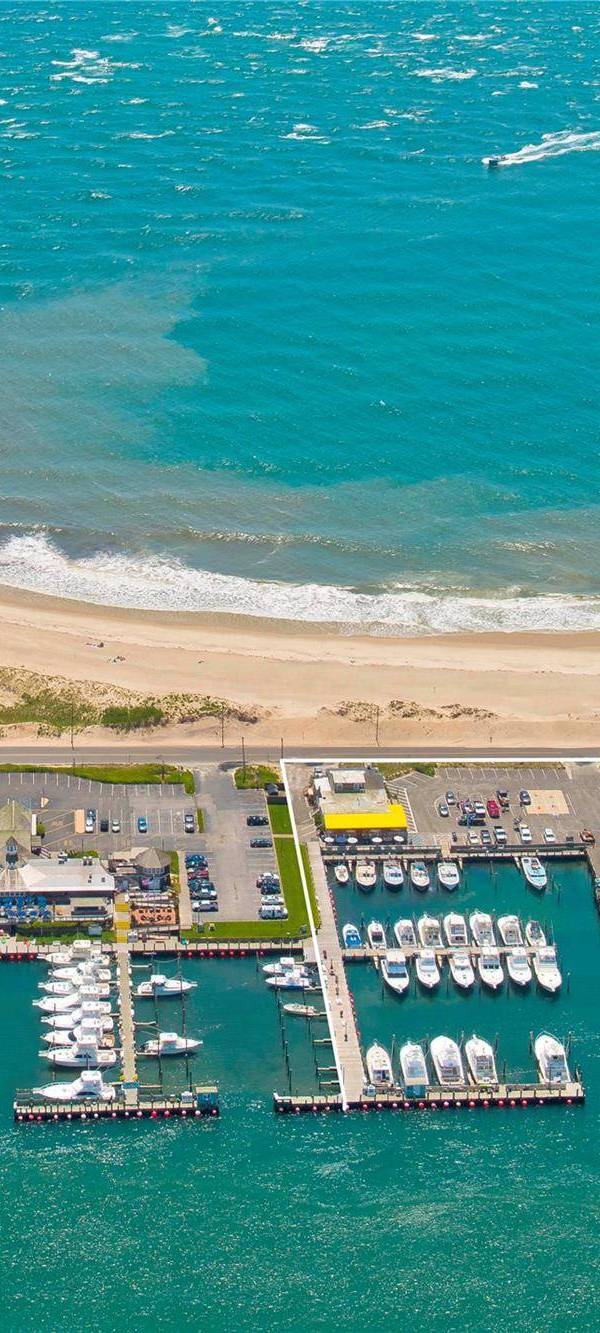
Building for Sale in Hampton Bays - New York - USA
$17,900,000
View property →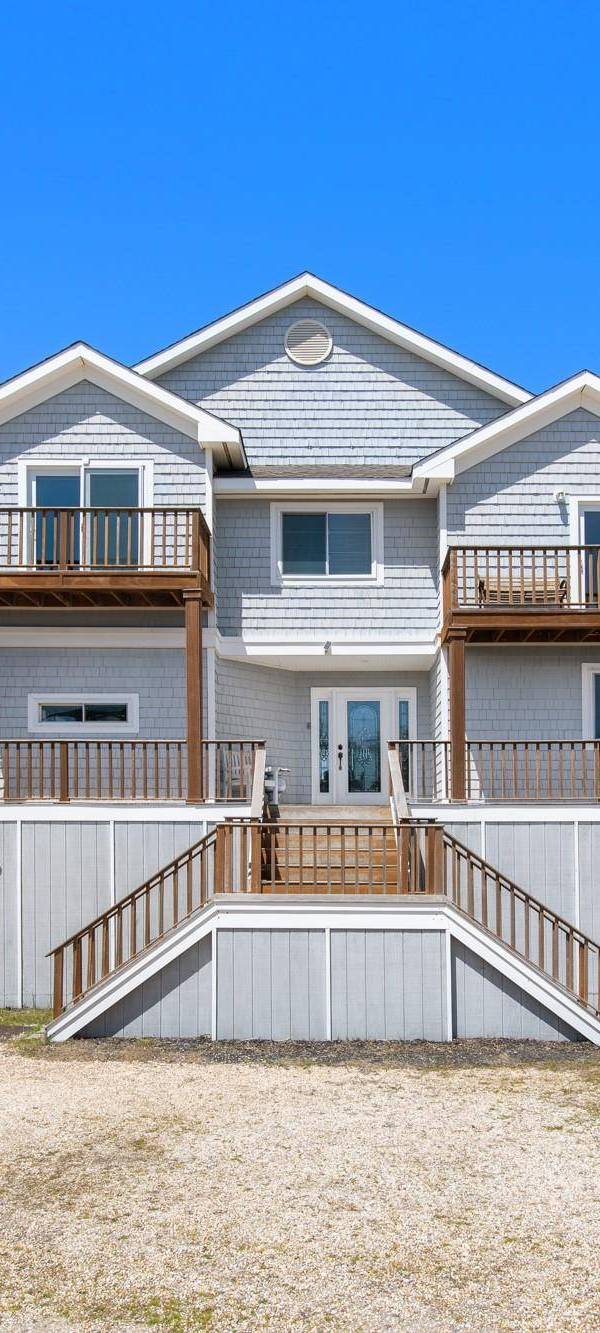
6 Bedroom Waterfront Home for Sale in Westhampton Beach - New York - USA
6 bed • 4 bath • 185.81 m²
$4,995,000
View property →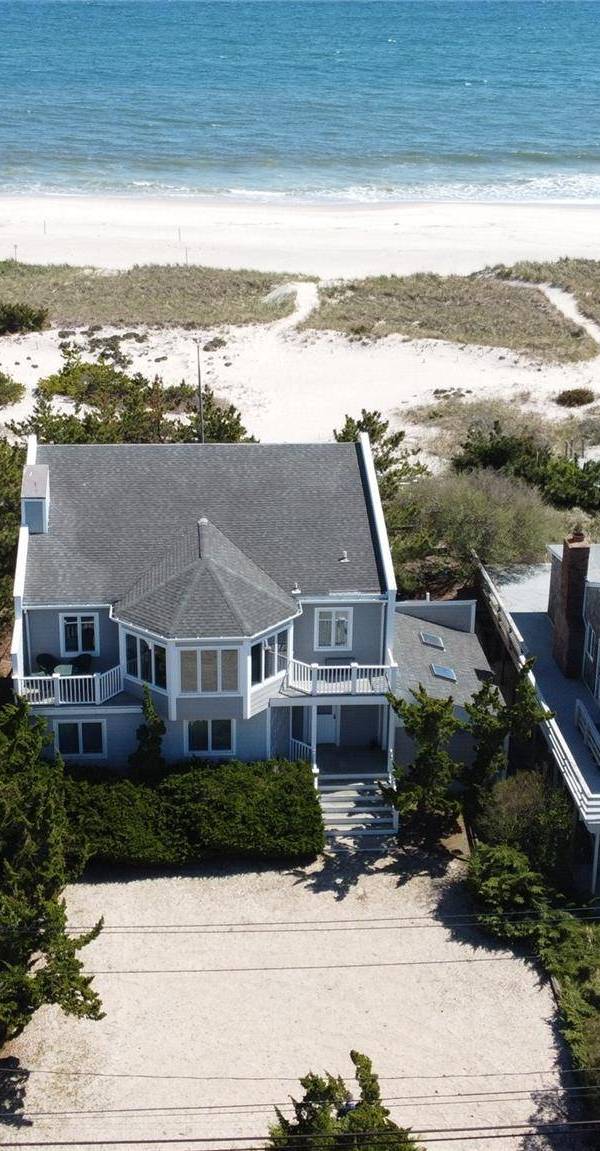
5 Bedroom Oceanfront Home for Sale in Westhampton - New York - USA
5 bed • 4 bath • 204.01 m²
$4,500,000
View property →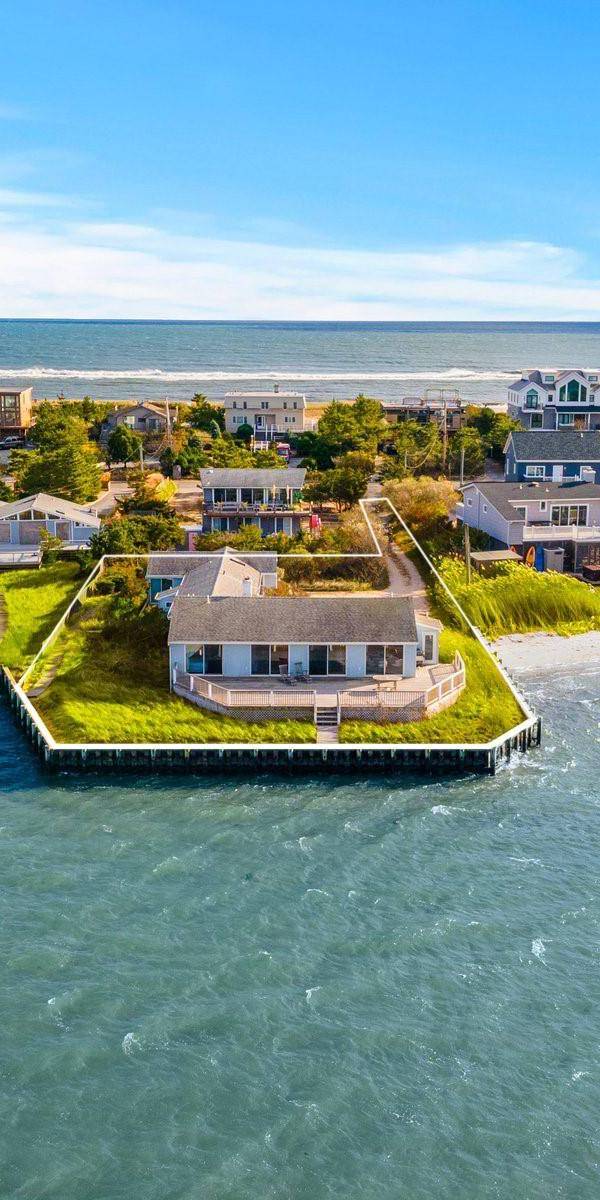
5 Bedroom Waterfront Home for Sale in Westhampton Dunes - New York - USA
5 bed • 3 bath
$3,950,000
View property →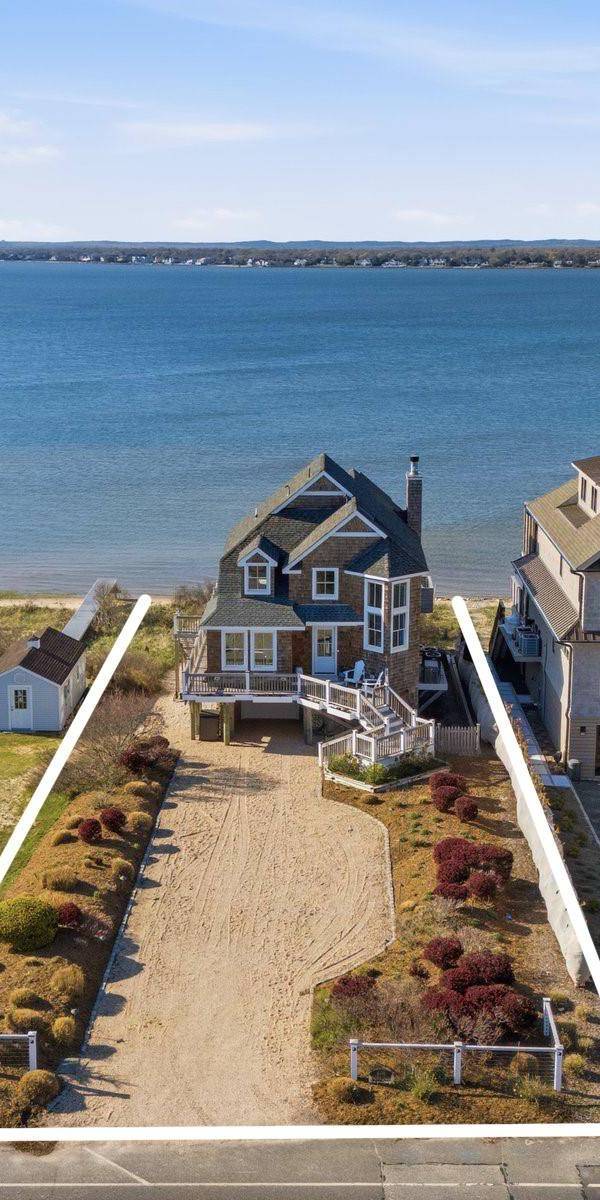
4 Bedroom Home for Sale in Westhampton Dunes - New York - USA
4 bed • 3 bath • 209.77 m²
$4,750,000
View property →
7 Bedroom Oceanfront Home for Sale in Westhampton Dunes - New York - USA
7 bed • 9 bath • 585.29 m²
$9,750,000
View property →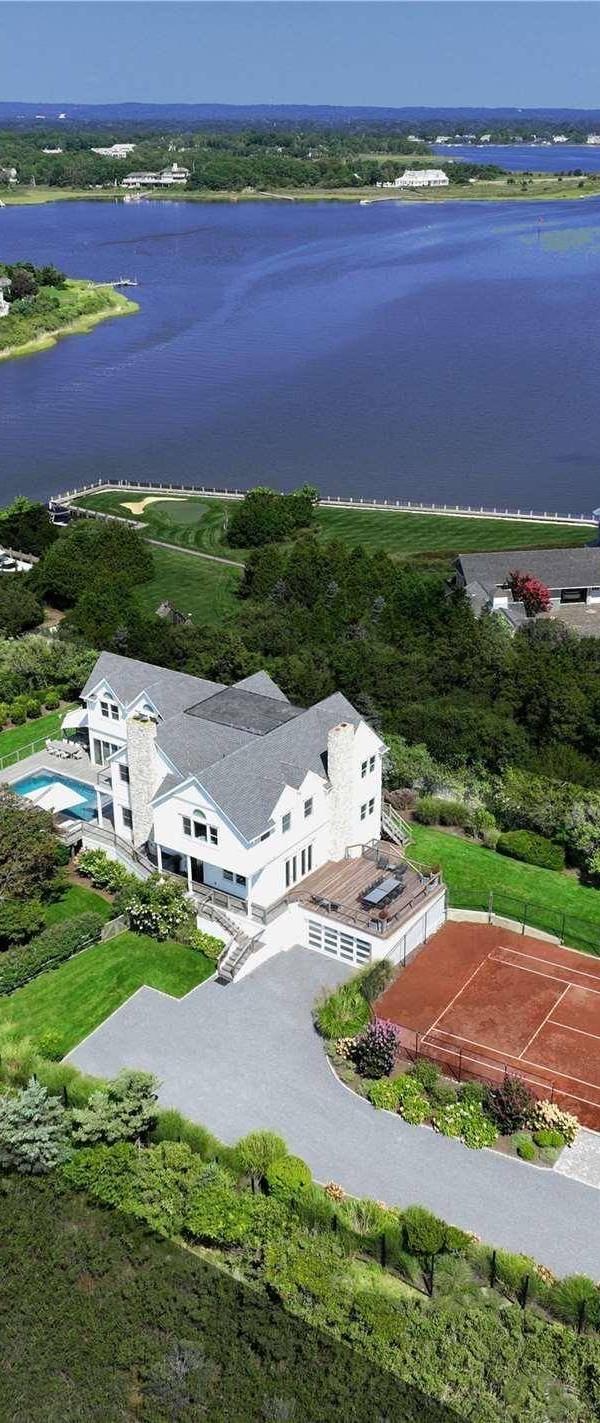
6 Bedroom Bayfront Home for Sale in Quogue - New York - USA
6 bed • 7 bath
$11,000,000
View property →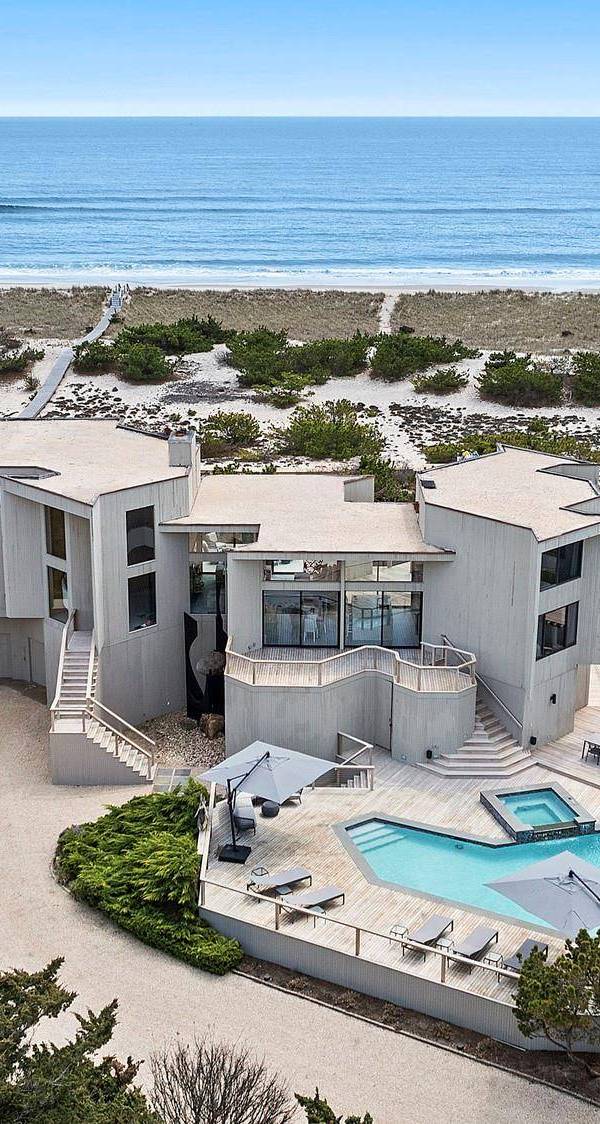
6 Bedroom Home for Sale Waterfront in Westhampton Beach - New York - USA
6 bed • 8 bath • 464.52 m²
$11,475,000
View property →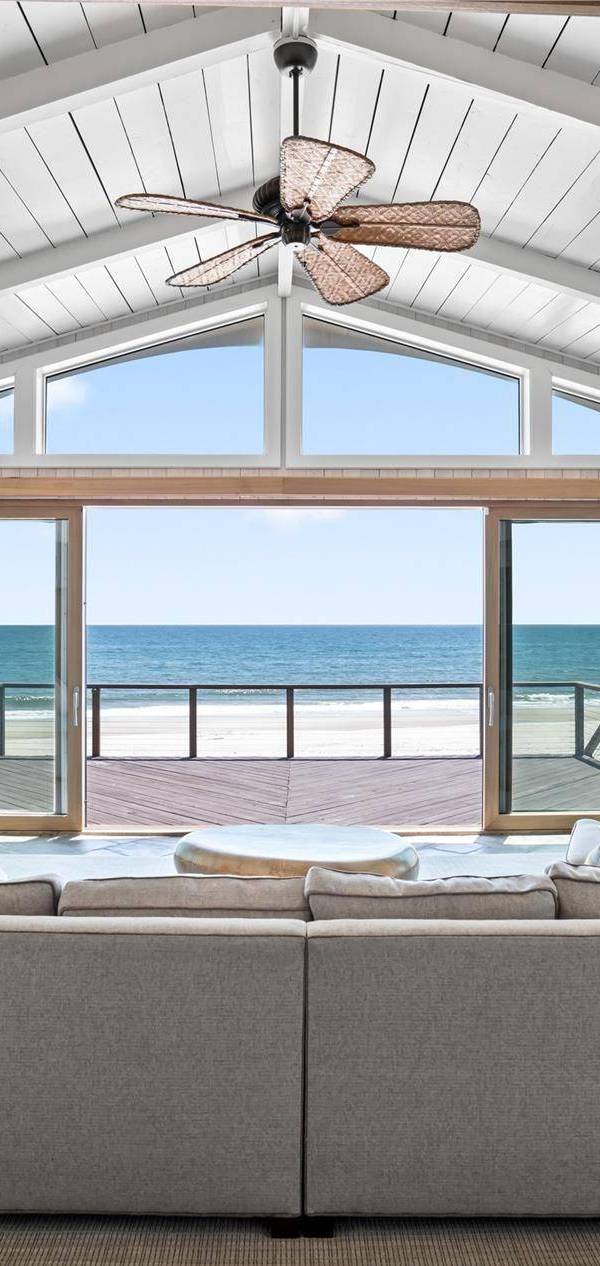
7 Bedroom Oceanfront Home for Sale in Quogue, NY, USA
7 bed • 6 bath • 696.77 m²
$15,000,000
View property →