Homes for sale in Corona
New York, USA
About Corona
Corona is a neighborhood in the borough of Queens, New York City, right next to Flushing Meadows–Corona Park, the large park that hosted the World's Fairs of 1939 and 1964. It lies between Jackson Heights and Elmhurst to the west and the park to the east; north of Roosevelt Avenue it is called North Corona and extends up to East Elmhurst. It is a dense neighborhood of streets lined with attached houses, small two- or three-family buildings and apartment blocks, served by the 7 subway line, which reaches Manhattan in about half an hour.
It should not be confused with the city of Corona in California, which is a different place. This page is about the Queens neighborhood, ZIP code 11368.
For buyers, Corona offers something increasingly rare in New York: houses and apartments priced below the city average, a subway ride from Midtown, next to one of the city's largest parks and to an area that is changing fast, with the new soccer stadium and thousands of new homes at Willets Point. The trade-off lies in the density, the noise from LaGuardia Airport planes over part of the neighborhood, the flash flooding from heavy rain that hits basements, the rules of housing cooperatives, the unlicensed basement apartments and the need to check carefully the condition and legal status of each house. This page explains the neighborhood, what is for sale and what is worth checking before you buy.
Where it is and how to get there
Corona occupies the north-central part of Queens. The main streets are Roosevelt Avenue, beneath the elevated subway line; Junction Boulevard, which forms the border with Jackson Heights and Elmhurst; Northern Boulevard, to the north; Corona Avenue; and 108th Street, the commercial artery of the southern part of the neighborhood. To the east lies Flushing Meadows–Corona Park and, on its far side, Flushing; to the south, Rego Park and Forest Hills, with a different type of housing and different prices.
The connection to Manhattan is via the 7 subway line, which has the Junction Boulevard, 103rd Street–Corona Plaza, 111th Street and Mets–Willets Point stations in Corona. The line runs elevated above Roosevelt Avenue and has express service at rush hour. From Junction Boulevard to Grand Central it takes about half an hour, a little longer from the stations farther east; from Grand Central you continue to the rest of Manhattan. There are also many bus routes, such as the Q23, Q58, Q66, Q72 and Q88, connecting Corona to Flushing, Forest Hills, Ridgewood and LaGuardia Airport.
The Long Island Rail Road commuter train passes through Corona without stopping: the neighborhood's station closed in 1964. The Mets–Willets Point station, on the Port Washington line, operates mainly on game days and during major events. By car, the neighborhood sits by the Grand Central Parkway, the Long Island Expressway and the Van Wyck Expressway, and a few minutes from LaGuardia Airport and, farther away, JFK. Street parking is hard to find in almost the entire neighborhood.
A little history
The area began as West Flushing. In 1854, the arrival of the railroad brought speculators from New York, who subdivided the land and named it after the neighboring village. Around 1870, residents and developers wanted a name of their own, and the area came to be called Corona, the “crown” of Queens County. It was also here, at a racetrack called the Fashion Course, that the first baseball games with paid admission were played in 1858.
In the early 20th century, the marshes east of the neighborhood became the Corona Ash Dumps, a huge ash dump that F. Scott Fitzgerald described in The Great Gatsby as the “valley of ashes.” In the 1930s, the dump was filled in and turned into the grounds of the 1939 World's Fair, which gave rise to Flushing Meadows–Corona Park; the 1964 World's Fair used the same site again and left behind the Unisphere, the great steel globe that is today the symbol of Queens.
For much of the 20th century, Corona was a neighborhood of working-class families of Italian, German and Irish origin, later joined by African American families in North Corona and, from the 1950s on, by immigrants from Latin America. The musician Louis Armstrong lived in a brick house in North Corona from 1943 until his death in 1971; the house is now a museum. In 2010, the census counted about 110,000 residents in Corona and North Corona combined, making this one of the densest neighborhoods in Queens.
Corona, area by area
Corona Plaza and Roosevelt Avenue
The heart of the neighborhood is Corona Plaza, a pedestrian plaza on Roosevelt Avenue, next to the 103rd Street station, made permanent in 2018, with markets, events and street vending. Along Roosevelt Avenue, beneath the elevated line, there are stores, restaurants, bakeries and services of every kind, busy until late. It is the liveliest area and also the noisiest, with the subway passing overhead. The buildings here often combine retail on the ground floor with apartments above.
Southern Corona and 108th Street
South of Roosevelt Avenue, between Corona Avenue and the Long Island Expressway, are the oldest streets in the neighborhood, with attached and semi-attached houses, many of them brick, and small two- and three-family buildings. This is the area of the old Italian community, where the Lemon Ice King of Corona, an ice shop founded in 1944, is still in business, along with William F. Moore Park, which residents call “Spaghetti Park.” Farther south, near the Horace Harding Expressway and the border with Rego Park, there are large apartment blocks and housing cooperatives from the 1950s and 1960s, and the LeFrak City complex is right next door.
North Corona
North of Roosevelt Avenue, between Junction Boulevard and the park, lies North Corona, which stretches up to Northern Boulevard and blends, farther north, into East Elmhurst. The streets are made up of family houses, many with two or three units, and small buildings. This is the area of Louis Armstrong's house, on 107th Street, and it is closer to LaGuardia Airport, which means more aircraft noise on some streets, depending on the runway in use.
The park side and Willets Point
The streets to the east, near 111th Street, sit at the edge of Flushing Meadows–Corona Park and on the side of Willets Point, a former area of auto repair shops on the other side of the park, next to the Citi Field baseball stadium. Willets Point is being transformed: under construction is Etihad Park, the city's first professional soccer stadium, for the New York City FC club, scheduled to open in 2027, and the plan includes thousands of affordable homes, a school and a hotel, with completion expected around 2030. For buyers on this side, the project brings new services and activity, and also more traffic and crowds on game days.
The park and leisure
Flushing Meadows–Corona Park is one of the largest parks in New York and the neighborhood's great asset. It has lawns, playing fields, bike paths, the Meadow Lake and Willow Lake lakes, the Unisphere and the grounds of the former fairs. Inside the park are the Queens Museum, which houses the giant scale model of New York City made for the 1964 fair; the New York Hall of Science, a science museum designed for families; the Queens Zoo; and a swimming pool and ice rink complex.
The park is also home to the USTA Billie Jean King National Tennis Center, where the US Open tennis tournament is played every year at the end of summer. Next to the park is Citi Field, the stadium of the New York Mets. Having these venues on your doorstep is an advantage for sports lovers and a cost for those who want peace and quiet: on game days and during the two weeks of the US Open, the subway, the streets and the parking fill up.
In the neighborhood, the Louis Armstrong House Museum preserves the musician's house just as he left it, with guided tours and an archive center across the street. Food is another reason to visit: the streets of Corona and neighboring Jackson Heights are among the best-known street food areas in the city.
Schools, healthcare and services
Corona is served by New York City public schools, with elementary, middle and high schools in the neighborhood, and by schools in other parts of Queens that can be accessed by application. In New York, the zoned elementary and middle school depend on the exact address, and high schools are chosen by application across the whole city. Always confirm the zoned school by address on the Department of Education website before making an offer.
The main public hospital in the area is NYC Health + Hospitals/Elmhurst, in Elmhurst, a few minutes away; there are other hospitals in Flushing and Forest Hills. The neighborhood has clinics, pharmacies, supermarkets and everyday shops on almost every main street, and the shopping centers of Elmhurst and Rego Park are right next door. Water and sewer service come from the city's public system.
What is for sale
Two types of property are sold in Corona. On the one hand, apartments, almost always in housing cooperatives, the so-called co-ops, and, in newer buildings, condominiums; they are mostly one- and two-bedroom units in multi-story buildings, many of them built between the 1950s and the 1970s. On the other, houses: attached and semi-attached houses, family homes and small two- or three-family buildings, often with a unit to rent out.
In our selection, prices range from about US$239,000, for a one-bedroom apartment, to nearly US$2 million, for a large house on Northern Boulevard, with a median value of around US$520,000. At the low end are one-bedroom co-op apartments; in the middle, two-bedroom apartments and condos; at the top, multi-family houses, valued for their space and the income from the rented units.
Points to consider
Housing cooperatives: board approval
Buying into a co-op does not mean buying the apartment: you buy shares in the cooperative that owns the building, and the sale must be approved by the co-op board. The board asks for tax returns, bank statements and references, conducts an interview and can turn you down without giving reasons. Many cooperatives require the apartment to be the buyer's own residence, limit or prohibit renting, set a minimum down payment and limit financing. For those buying from abroad or to rent out, these rules can be decisive. Read the bylaws, the sublet rules and the cooperative's financial statements before making an offer.
The monthly fee and the building's finances
In co-ops you pay a monthly fee, called “maintenance,” which includes the share of the property tax and, often, the mortgage on the building itself; in condos you pay the common charges and the tax separately. Ask for the exact amount, the history of increases, the cooperative's financial statements and information on planned work or special assessments. A cheap apartment in a building with a façade or roof in need of repair can end up being expensive.
Rain flooding and basements
Corona is not on the waterfront, but it is exposed to flash flooding from heavy rain: during strong storms, the sewer system cannot cope and water gets into basements. With the remnants of Hurricane Ida, in September 2021, rainfall broke records in the city and several people died in basement apartments in Queens, one of them in Corona. In houses with a basement, ask whether water has ever come in, check the sewer backwater valve and the drainage, and get a quote for flood insurance, which is not included in standard homeowners insurance.
Basement apartments and unlicensed units
In Corona, as throughout this part of Queens, it is common to find basements and attics converted into living space without a permit, and houses with more units than are listed on the certificate of occupancy. The 2024 state basement legalization program did not include this district. An unlicensed unit can lead to fines, does not count for the bank and may have to be vacated. Confirm with the Department of Buildings the certificate of occupancy, the legal number of units and any open violations, and do not count on income from an illegal unit.
Older houses
Many houses in the neighborhood are more than eighty or a hundred years old. It is common to find lead paint, which federal law requires to be disclosed in houses built before 1978, old plumbing and electrical systems, boilers and heating oil tanks, and work done without a permit. Get a complete independent inspection and confirm the condition of the roof, the foundations and the walls shared with the house next door.
Noise: subway, planes and games
The 7 line runs elevated above Roosevelt Avenue, and the houses and apartments facing it hear the subway at all hours. In North Corona and on the streets farther north, LaGuardia planes fly low, depending on the runway in use. And on game days at Citi Field, during the US Open and, starting in 2027, on game days at the new stadium, the streets near the park fill up. Visit the house at different times, including on a game day, before deciding.
Density and parking
Corona is one of the densest neighborhoods in Queens: crowded sidewalks, little street parking and shops open until late. For those who need a car, a house with a garage or its own parking space is worth considerably more; in apartments, ask whether the building has a garage and how long the waiting list is.
Legal and tax checklist, in the United States
Before buying: for co-ops, the bylaws, rental rules and the cooperative's financial statements; for houses, the certificate of occupancy, the legal number of units and open violations at the Department of Buildings; an independent inspection; the history of water entering the basement and a flood insurance quote; the zoned school by address; the property tax bill and any exemptions that disappear with the sale.
At purchase: in New York State, a purchase is usually made with an attorney on each side, and a contract is signed before the closing. Factor in title insurance, for houses and condos, closing costs and transfer taxes. The seller normally pays the New York City transfer tax, of 1% up to US$500,000 and 1.425% above that for residential properties, and the state transfer tax, of 0.4%. The buyer pays, on residential purchases of US$1 million and up, the so-called “mansion tax,” which starts at 1% of the total price and rises in brackets from US$2 million. Confirm the rules and rates with the attorney at the time of purchase. Those buying from abroad need a US taxpayer number, the ITIN, to report income, and at closing the bank and the attorney ask for proof of the source of funds.
Structuring the purchase: some people buy in their own name and others use an entity, such as an LLC, for reasons of liability, estate planning or privacy. Note: many cooperatives do not accept buyers that are entities. Each option has consequences for taxes, financing and beneficial ownership reporting, and the disclosure rules have been changing in recent years. Decide with a US attorney and accountant before signing.
While you own: property tax paid to the city, which for one- to three-family houses has limits on the annual increase in assessment; the co-op maintenance or condo common charges; insurance, including flood insurance where warranted; upkeep. Rental income must be reported in the United States, even by nonresidents, and short-term rentals are heavily restricted in New York City.
On sale: capital gains tax. Those who are not US residents are subject to FIRPTA withholding at closing, which is an advance on the tax and not the final tax. It is wise to talk to a US accountant before selling.
Who it makes sense for — and who it doesn't
It makes sense for people who work in Manhattan and want to pay less than in the closer-in neighborhoods, with a direct subway line; for those who want a first apartment in New York and accept the rules of a cooperative; for families who want a house with a legal rental unit that helps pay the mortgage; for those who like living next to a large park, museums and stadiums; and for those betting on the transformation of Willets Point.
It makes less sense for those looking for peace and quiet streets, for those who need easy parking, for those who want to buy an apartment to rent out without reading the cooperative's rules, for those counting on income from an unlicensed basement, and for those buying a house with a basement without checking the risk of rain flooding.
Final thoughts
Corona is a lively, dense and well-connected neighborhood, with prices that are still affordable for New York, next to one of the city's largest parks and to an area in full transformation. What separates a good purchase from a bad one is the legal status of the house and of each unit, the cooperative's rules and finances, how the basement behaves in heavy rain and the address's relationship to the subway, the planes and the stadiums.
When you contact us through a property page, we forward your details to our partner broker, who has the complete information on that specific property — cooperative rules, certificate of occupancy, tax bill, zoned school and negotiating terms.

6 Bedroom Home for Sale in Corona - New York - USA
6 bed • 2 bath
$1,150,000
View property →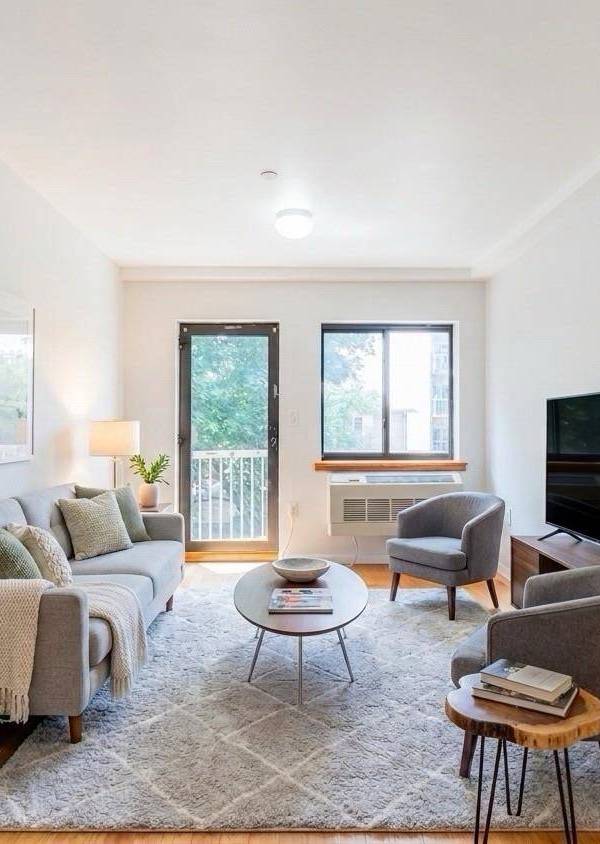
2 Bedroom Home for Sale in Corona - New York - USA
2 bed • 2 bath
$515,000
View property →
7 Bedroom Home for Sale in Corona - New York - USA
7 bed • 4 bath
$1,599,999
View property →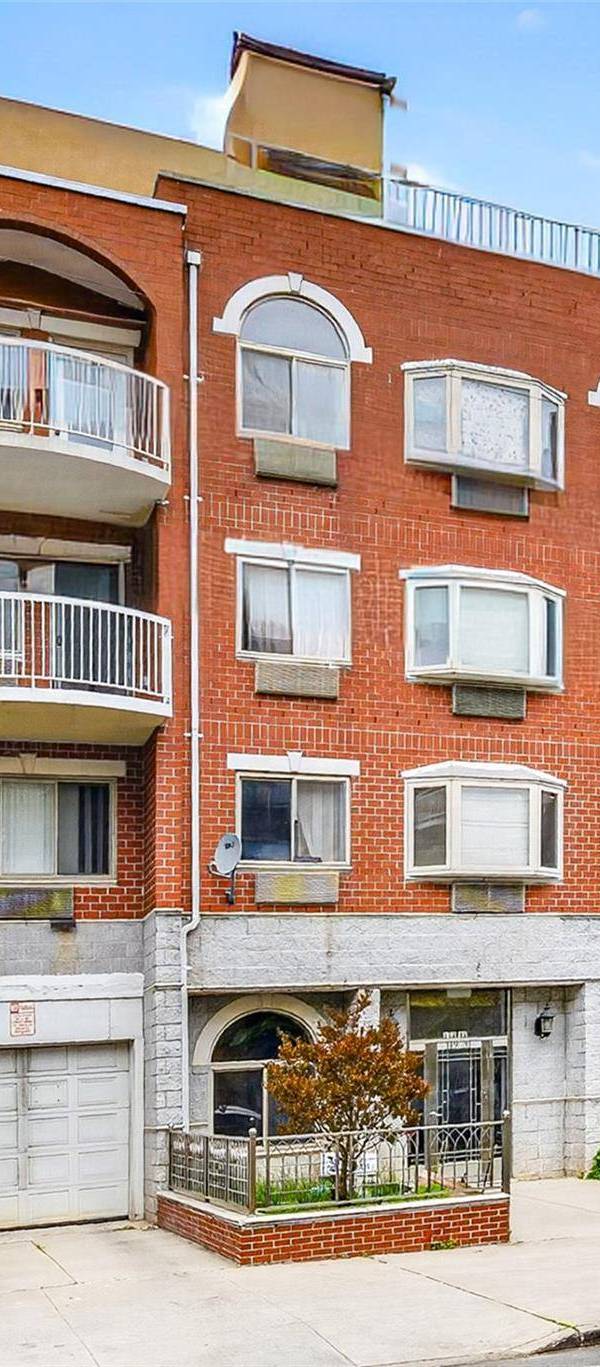
2 Bedroom Home for Sale in Corona - New York - USA
2 bed • 2 bath • 69.77 m²
$528,000
View property →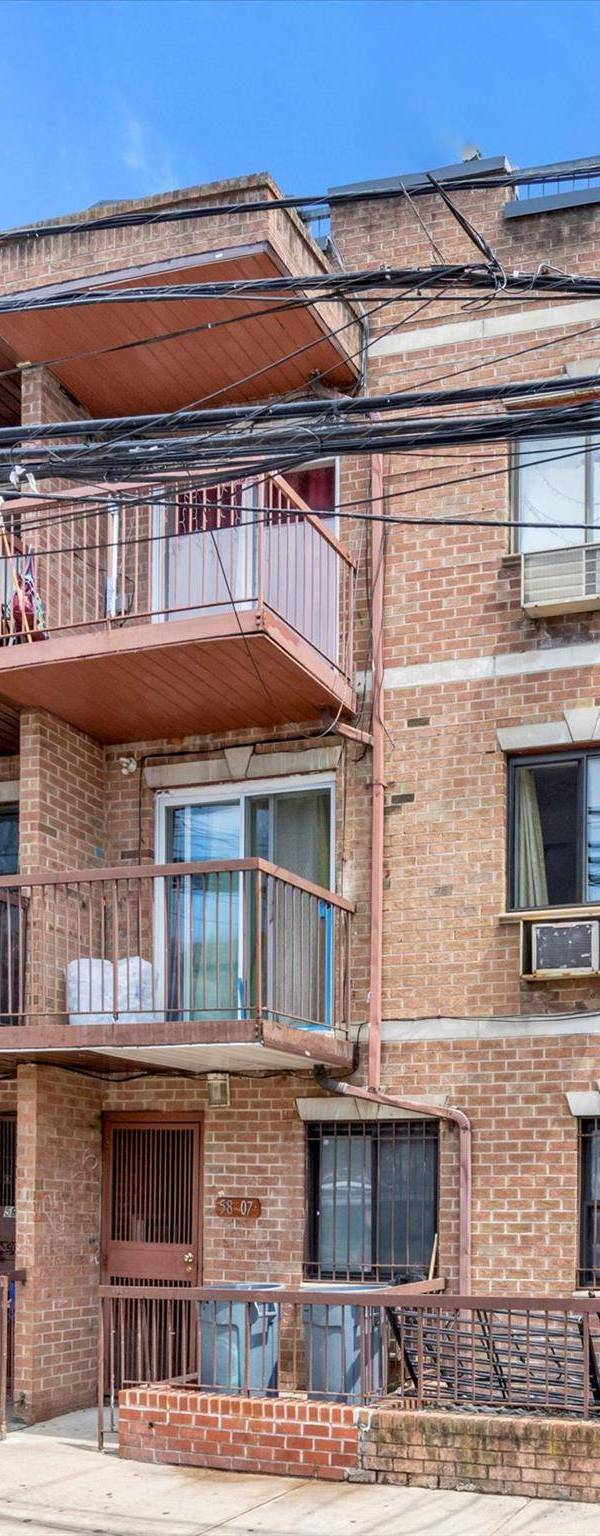
11 Bedroom Home for Sale in Corona - New York - USA
11 bed • 6 bath
$1,345,000
View property →
Home for Sale in Corona - New York - USA
2 bath
$1,600,000
View property →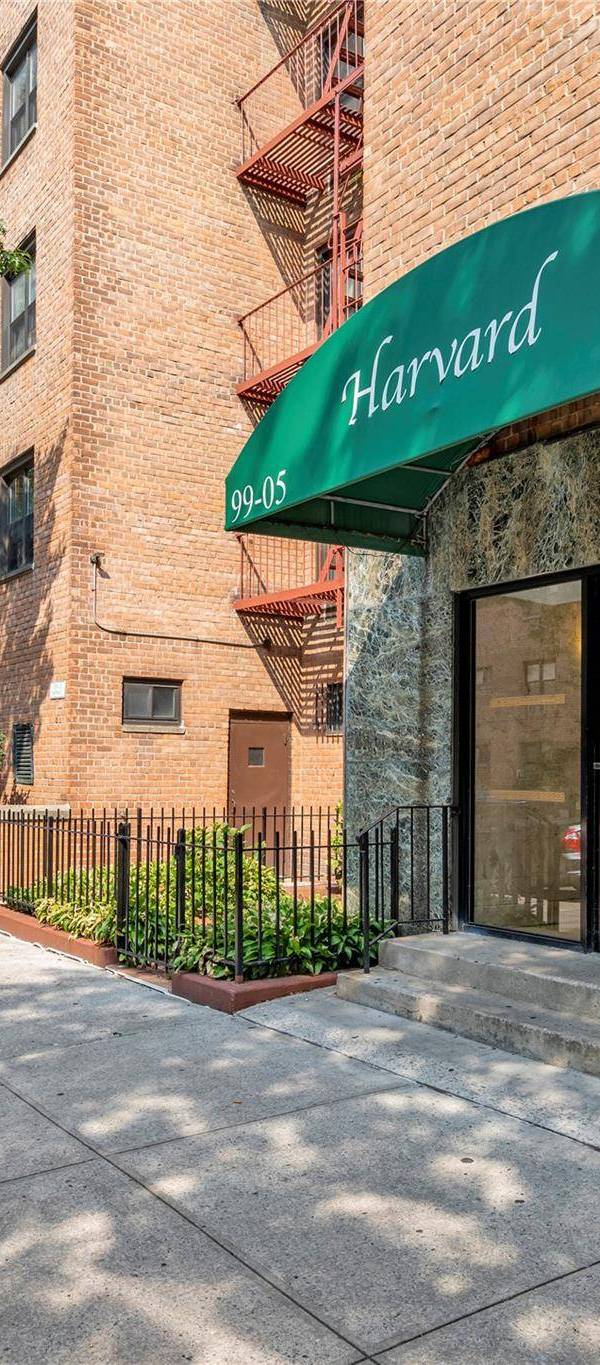
2 Bedroom Home for Sale in Corona - New York - USA
2 bed • 1 bath • 97.55 m²
$365,000
View property →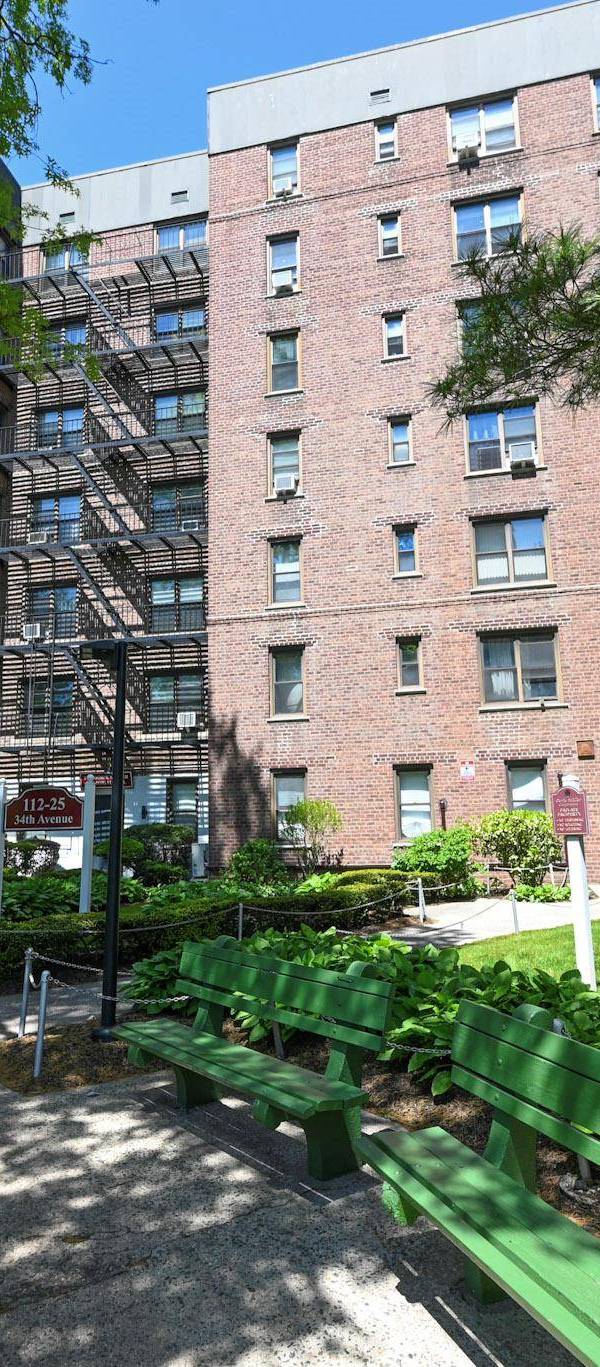
1 Bedroom Home for Sale in Corona - New York - USA
1 bed • 1 bath • 55.74 m²
$239,000
View property →
1 Bedroom Home for Sale in Corona - New York - USA
1 bed • 1 bath • 78.97 m²
$285,000
View property →
1 Bedroom Home for Sale in Corona - New York - USA
1 bed • 1 bath • 88.26 m²
$285,000
View property →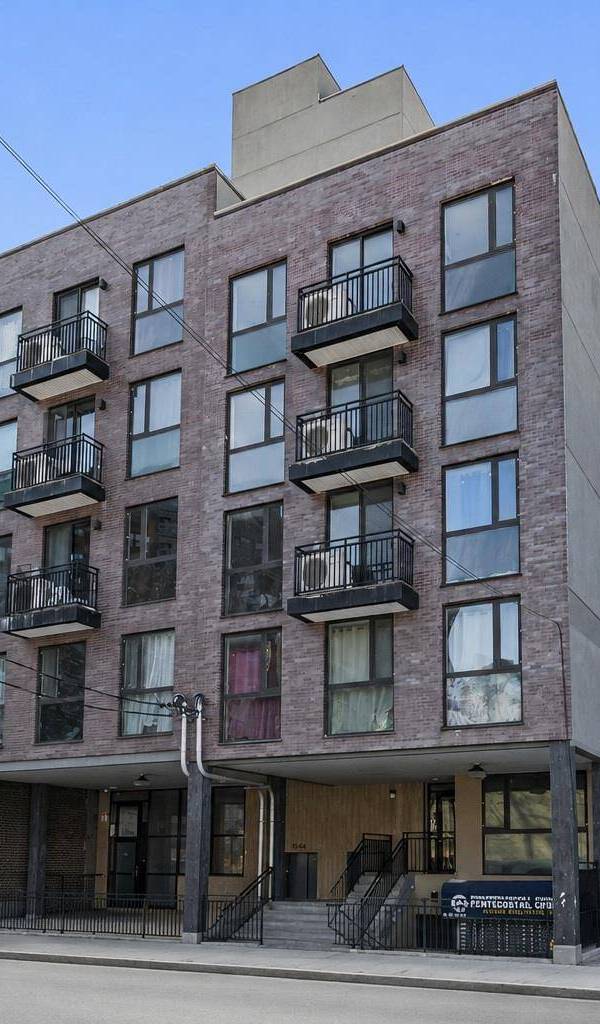
2 Bedroom Home for Sale in Corona - New York - USA
2 bed • 2 bath • 64.57 m²
$488,000
View property →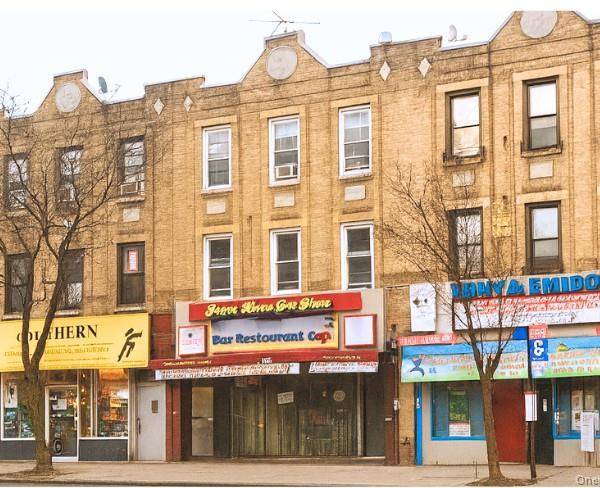
8 Bedroom Home for Sale in Corona - New York - USA
8 bed • 3 bath
$1,999,999
View property →
4 Bedroom Home for Sale in Corona - New York - USA
4 bed • 4 bath • 142.14 m²
$1,050,000
View property →
2 Bedroom Home for Sale in Corona - New York - USA
2 bed • 1 bath • 60.2 m²
$389,000
View property →