Homes for sale in Coimbrões
Porto, Portugal
About Coimbrões
Coimbrões is a locality in Vila Nova de Gaia, in the Union of Parishes of Santa Marinha e São Pedro da Afurada, south of the city centre and a few kilometres from the Douro river and the port wine cellars. It has a halt on the Northern line (Linha do Norte), sits right next to Gaia's most important motorway junction and will be close to the new metro line being built between Porto and Santo Ovídio.
For buyers, Coimbrões is everyday Gaia: residential buildings, neighbourhood shops, condominiums from the 2000s and a few plots still to be built on, a stone's throw from Porto but at south-bank prices. The trade-off is that of living next to major roads: traffic and noise from the A1 and the VCI, and an urban fabric that grew without much of a plan. This page explains the area, what is for sale and what is worth checking before you buy.
Where it is and how to get there
Coimbrões lies in the western half of Vila Nova de Gaia, between Candal and Devesas, on the slope that runs down to the Douro. The centre of Gaia, around Avenida da República, is a few kilometres away, as are the Cais de Gaia and, across the Luís I Bridge, Porto's Ribeira. Afurada and the beaches of Canidelo are also a few minutes away by car.
The Coimbrões halt, on the Northern line, is served by Porto suburban trains on the Aveiro line, which link the neighbourhood to Gaia-Devesas, General Torres, Campanhã and São Bento in one direction, and to Espinho, Ovar and Aveiro in the other. By car, the Nó de Coimbrões brings together the A1, the A44 and the IC23 and closes the VCI on the Gaia side: from here you head to the Arrábida Bridge and Porto, south on the A1 and towards the coast on the A44. Francisco Sá Carneiro airport is on the other side of the Douro, a distance that, without traffic, takes just over a quarter of an hour.
The metro does not yet reach Coimbrões. The Ruby Line (Linha Rubi) is under construction between Casa da Música, in Porto, and Santo Ovídio, in Gaia, with a new bridge over the Douro for metro, pedestrians and bicycles only, and stations in Candal, Rotunda and Devesas, the neighbouring areas. Completion is scheduled for July 2028, after several delays. Anyone buying with the metro in mind should look at the station closest to the specific address and at the latest dates for the works, not at the listing.
A little history
For centuries Coimbrões was a land of potters, known for its black pottery fired in kilns of which traces still remain. The parish church stands on Monte de Santa Bárbara, in an area through which a Roman road is believed to have passed. The locality has long-established associations, such as Sporting Clube de Coimbrões, the pigeon-racing society and the Bombeiros Voluntários de Coimbrões (volunteer fire brigade).
In the 20th century, the arrival of the railway and, later, of the motorways transformed the area. Farmland and workshops gradually gave way to residential buildings, first in the 1960s and 1970s, then in larger condominiums, some of them gated, in the 2000s. The result is a mixed neighbourhood, with old streets, buildings from various eras, warehouses and large-format retail side by side.
Coimbrões, area by area
Around the halt and Avenida dos Aliados
Around the halt and Avenida dos Aliados are some of the newest condominiums, with garages, lifts and heating, and large-format retail. This is the area for those who want the train within walking distance and quick access to the motorways.
The old streets of the centre
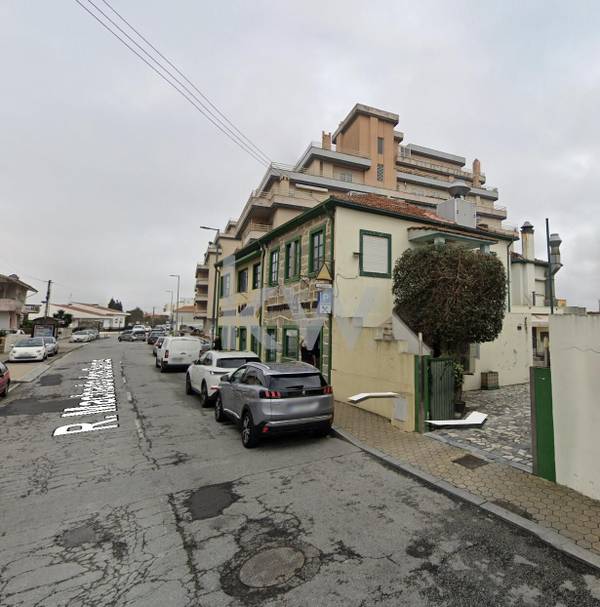
In the streets of the oldest core, such as Rua Leote do Rego, buildings from the 1960s and 1970s predominate, low-rise, with smaller and cheaper apartments. There are neighbourhood shops, schools and services within walking distance.
Towards Devesas and Candal
To the east, Coimbrões meets Devesas, home to Gaia-Devesas station, and to the north Candal, on the way to the river. It is on this side that the Ruby Line stations will be located, and it is here that new-build supply tends to appear.
Health, schools and services
The reference hospital is that of the Centro Hospitalar de Vila Nova de Gaia/Espinho, a few kilometres away, and there are health centres, pharmacies and private clinics in the neighbouring parishes. There are primary schools and nurseries in the locality itself, and secondary schools and private schools in Gaia and Porto. For larger shopping trips, GaiaShopping and Arrábida Shopping are a few minutes away by car.
What is for sale
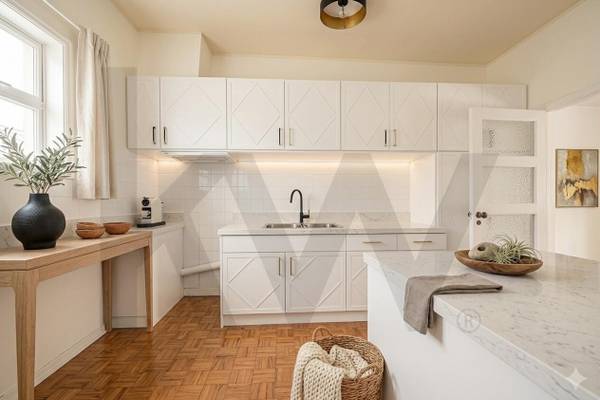
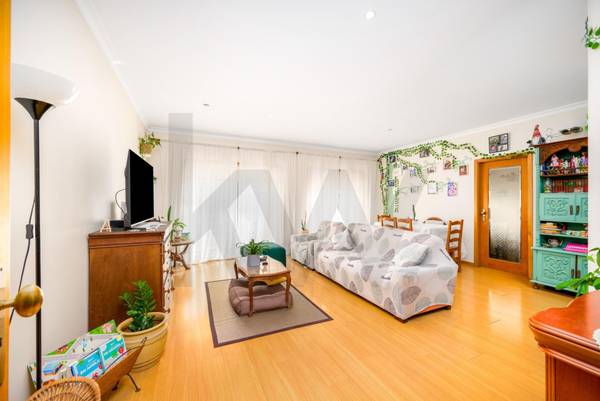
In Coimbrões you will find apartments and plots. In our selection, prices range from about € 225,000 to € 1 million, with apartments at the lower end and building plots at the upper end.
Apartments. At the lower end is a 70 m² two-bedroom flat plus one (T2+1) in a 1966 building, with two bathrooms and an extra room for an office, for about € 225,000. At the upper end, a three-bedroom flat plus one (T3+1) of 196 m² gross area, in a 2004 gated condominium, with a balcony, central heating and two garage spaces, a few steps from the halt, for about € 389,000.
Plots. There is a 2,667.5 m² plot for construction under horizontal property or subdivision, with a feasibility information request already submitted to the Council, for about € 1 million.
What drives the price for apartments is the age of the building, the lift, the garage and the distance to the train and the motorways; for plots, what the Council allows to be built and how much it costs to get the project off the ground. A two-bedroom flat in a 1960s building and a three-bedroom flat in a condominium with a garage belong to different markets, with different buyers.
The market moves. Prices in Gaia have risen quickly in recent years, and well-priced properties get reserved in a short time. A listing seen a month ago may now be at a different price or no longer available: always confirm the current status and price before going ahead.
Investment analysis
Appreciation
Coimbrões benefits from the housing shortage in Porto, which pushes demand to the south bank of the Douro, and from two public works that change the map of the area: the Ruby Line of the metro, scheduled for 2028, and the high-speed rail station in Santo Ovídio. These works are already factored into the price of many listings. The risk is paying today for appreciation that depends on deadlines that have already slipped.
Rental
Long-term rental has demand from people who work in Porto and Gaia and want a train or motorway on their doorstep. A two- or three-bedroom flat near the halt rents easily. Alojamento Local (short-term rental) is another matter: Gaia Council suspended new registrations in 2023 and extended the suspension while it prepared its own regulations. Before the deed, confirm with the Council whether registration is possible at that address and in that building.
Exit
Apartments near the halt and the future metro stations sell easily, because the pool of buyers is large. Older buildings without lifts and plots depend on more specific buyers. Buyers should think from the outset about who would buy the property from them next.
Points to consider
Noise from the motorways and the railway
The A1, the A44 and the VCI cross in Coimbrões, and the Northern line runs through the locality, with trains that stop and many that pass without stopping. Some stretches of the A1 have noise action plans. Visit the property at rush hour, with the windows open, and ask about the window frames before deciding.
Traffic at the Nó de Coimbrões
The junction brings together several motorways and fills up at rush hour, especially on the link to the Arrábida Bridge. Make the commute to work, by car and by train, at the time you would make it every day.
The metro and the dates
The Ruby Line does not run through Coimbrões itself: the planned stations are in the neighbouring areas. And the completion date has already been postponed more than once. Measure the walking distance from the address to the planned station and do not overpay for a deadline.
Older buildings and the condominium
Many buildings from the 1960s and 1970s have no lift and have plumbing, roofs and façades in need of renovation. Ask for the minutes of the latest meetings, the amount of the fees and of the common reserve fund, any debts to the condominium and planned works.
Slopes and embankments
Coimbrões sits on a slope, and in 2011 there were landslides next to the halt that cut the railway line. For houses, plots and buildings next to retaining walls, ask about any history of leaks and ground movement and, for plots, about the cost of retaining works.
Building plots
A feasibility information statement from the Council says what can be applied for, but it is not a licence. Before buying a plot to develop, confirm what the municipal master plan allows today, how many floors and units, the constraints and how long licensing takes in Gaia.
Mortgage and bank valuation
The bank valuation may come in below the agreed price, and the mortgage is calculated on the lower of the two figures. Buyers using financing should have approval under way before making an offer and should provide in the promissory contract for what happens if the valuation falls short.
Legal and tax checklist in Portugal
Before buying: permanent land registry certificate and property tax record; habitation licence; energy certificate; technical housing file for newer buildings; statement of no debt to the condominium and the building regulations; for plots, information from the Council on what can be built; if the aim is Alojamento Local, the municipal rules in force.
At purchase: buyers from abroad need a Portuguese tax number and, as a rule, a tax representative or attorney. IMT and stamp duty are paid before the deed, which is signed at a notary or at a Casa Pronta office, followed by registration. It is advisable for a lawyer to check the documentation before the promissory contract, when the deposit is normally paid.
While owning: IMI, with the rate set every year by Gaia Council, condominium fees, insurance and maintenance. Rental income is declared in Portugal, even by non-residents.
On sale: capital gains tax, with different rules for residents and non-residents. Since 2023, the residence permit for investment can no longer be obtained by buying residential property.
Who it makes sense for — and who it doesn't
It makes sense for those who work in Porto or Gaia and want a train and motorway on their doorstep; for those looking for an apartment with a garage at south-bank prices; and for developers looking for a plot in an area that is going to get the metro.
It makes less sense for those seeking quiet, a river view or the historic Gaia of the port wine cellars; for those who cannot tolerate traffic and motorway noise; and for those buying with Alojamento Local in mind without confirming the Council's rules.
Final thoughts
Coimbrões is Gaia at its most practical: train, motorways and shops next door, with Porto across the river and the metro on its way. The supply is small and varied, and the difference between a good and a bad purchase lies in the building, the street noise and the paperwork.
The path is simple to state: confirm that the property is still available and at what price, request the documentation for the property and the condominium, and visit the home at rush hour before deciding.
When you contact us through a property page, we forward your details to our partner broker, who has the complete information on that specific property — the Alojamento Local licence where one exists, condominium charges, land registry status and negotiation terms.