Homes for Sale in Campo Grande – MS, Brazil
Mato Grosso do Sul, Brazil
About Campo Grande
Properties for sale in Campo Grande, Mato Grosso do Sul
Campo Grande is the capital of the state of Mato Grosso do Sul, with approximately 900,000 inhabitants and a central role in Brazilian agribusiness. Known as the "Cidade Morena" (Brown City) because of the reddish color of the soil, it is the economic center of one of the country's main production regions for soybeans, corn, beef cattle, and pulp, in addition to serving as a gateway to the Pantanal of Mato Grosso do Sul and the Serra da Bodoquena. The real estate market reflects this reality: a strong presence of agribusiness capital, a solid middle class linked to sectors such as health, higher education, and public administration, and a growing demand for medium-high standard products.
The market typically operates between 250,000 and 1.5 million reais for medium-high standard apartments and family homes, with premium products in gated communities or commercial properties reaching 2 to 6 million. There is no consolidated international community in Campo Grande — the market is predominantly domestic, with a strong connection to the regional agribusiness dynamics.
The character of the city
Agribusiness capital
Mato Grosso do Sul is one of Brazil's main agricultural commodity-producing regions. Sectors such as soybeans, corn, cotton, beef cattle, poultry, swine, and pulp move significant capital. Campo Grande concentrates offices of companies in the sector, logistics operators, financial institutions specialized in agribusiness, and the headquarters of various cooperatives and trading companies. For many rural producers, a house in Campo Grande is their urban residence in addition to their farm in the countryside.
Demographic and urban growth
Unlike several Brazilian capitals that have stagnated demographically, Campo Grande continues to grow (estimated population increase between 1 and 1.5% per year in recent decades). This dynamic is sustained by internal migration within the state, the expansion of agribusiness, and the university offerings. There is visible urban expansion toward neighborhoods such as Jardim Centro-Oeste, Carandá Bosque, and Cabreúva.
Cerrado and Pantanal climate
Campo Grande has a tropical climate with a marked dry season between May and September, and a rainy season between October and April. Summers can have regular temperatures above 35°C, with variable humidity. Winters are mild during the day and cold at night, occasionally with "friagem" episodes (polar air masses that cross the continent).
Cultural and gastronomic life
Culinary culture is influenced by the traditions of Mato Grosso do Sul, Paraguay, and the region. Sobá (adapted Japanese soup), chipa, barbecue, and Pantanal fish (pintado, pacu, dourado). The Municipal Market is a local reference. The city has a significant Japanese community (a consequence of early 20th-century immigration), which is reflected in the gastronomy.
The main neighborhoods
Jardim dos Estados
A traditional neighborhood near the center, with medium-high standard family homes on tree-lined streets. It mixes older properties with more recent constructions. Sought after by doctors, lawyers, and established professionals. Range: 500,000 to 2 million reais.
Vila Carvalho
Adjacent to Jardim dos Estados, with a similar profile. 400,000 to 1.5 million.
Carandá Bosque
A recent expansion zone, with high-standard gated communities, modern houses on large plots, and developing commercial infrastructure. It attracts established young families. 700,000 to 3 million; penthouses and premium houses can exceed 4M.
Cabreúva
An upscale neighborhood, with houses on large plots in tree-lined streets, gated communities, and mansions. 1 to 5 million.
Vilas Boas
A traditional residential neighborhood, upper-middle-class family homes. 500,000 to 1.5 million.
Chácara Cachoeira
Gated communities with houses on larger lots, wooded environment, distant from the center. 700,000 to 2.5 million.
Jardim Veraneio
Middle-class residential neighborhood, older houses, tree-lined streets. 400,000 to 1 million.
Itanhangá Park
Traditional gated community with medium-high standard houses on large plots. 600,000 to 2 million.
Centro and Centro Sul (Monte Castelo, Amambaí)
More urban areas, commercial-residential mix. Apartments in buildings and some houses. 250,000 to 800,000 for 2-3 bedroom apartments.
Coronel Antonino, Tiradentes, Parque dos Poderes
New neighborhoods with strong recent residential construction, infrastructure in consolidation. 300,000 to 700,000 for 2-3 bedroom apartments.
Aero Rancho, Universitário, União
More popular neighborhoods, with more affordable prices. 200,000 to 500,000 for 2-3 bedroom apartments and modest family homes.
Property types
- 2-3 Bedroom Apartments in central and residential neighborhoods — 250,000 to 800,000
- Premium apartments and penthouses in new high-standard buildings (Bosque, Cabreúva) — 800,000 to 3M
- Family homes in consolidated neighborhoods — 500,000 to 2 million
- Houses in gated communities (Itanhangá, Chácara Cachoeira) — 700,000 to 4 million
- Mansions and premium houses in Cabreúva, Carandá — 2 to 6 million+
- Commercial properties (shops, commercial buildings) — variable according to location
- Building lots in gated communities — 300,000 to 1.5 million
- Urban and rural small farms (chácaras) in the surroundings — 300,000 to 2 million
Market analysis
Appreciation
Campo Grande has had sustained appreciation over the last 10-15 years, aligned with the growth of the agribusiness economy. Average growth between 4 and 8% per year for medium-high standard products. Periods of acceleration coincided with high commodity price cycles (soybeans, corn). For 2026, moderate appreciation is expected (3-5%), with sensitivity to agribusiness economic cycles.
Liquidity
Reasonable for medium-high standards. 2-3 bedroom apartments in consolidated neighborhoods sell in 3-9 months. Houses in gated communities can take 6-12 months. Very specific premium products (mansions, houses on exceptional lots) can stay on the market for 1-2 years.
Rental
Stable conventional rental market. Gross yields typically between 0.4% and 0.6% per month (~5-7% per year), depending on the neighborhood and product. Sustained demand from public employees, agribusiness professionals, postgraduate students, and medical residents. Tourist rental is a small market — Campo Grande is a business destination more than a leisure one.
Points of attention
Dependence on the agribusiness cycle
The economy of Campo Grande and the state is heavily influenced by international commodity prices (soybeans, corn, beef). Years of high prices mean available capital and acceleration of the real estate market. Years of falling commodities, high interest rates, and agricultural crises typically cause a slowdown. For an investor, this correlation needs to be part of the equation — Campo Grande is not a decoupled market.
Distance from major centers
Campo Grande is about 700 km from São Paulo (1h20 flight, 11h by car), and distant from Rio de Janeiro, Brasília, and other capitals. For buyers who need constant mobility to major centers, this is a structural factor. Campo Grande International Airport (CGR) has daily flights to São Paulo, Brasília, Goiânia, Cuiabá, and some connections. Direct international flights are limited.
Challenging climate
Intense heat in summers (regularly 32-38°C, peaks above 40°C in heatwaves) and variable humidity make air conditioning essential. The prolonged dry season (May-September) brings low humidity, respiratory problems in children and the elderly, and a high risk of forest fires in the nearby Pantanal. Occasional "friagem" in winter (sudden temperature drop to 5-10°C). Houses need good thermal insulation and efficient air conditioning systems.
Environmental risks — Pantanal fires
The Pantanal of Mato Grosso do Sul had devastating fires in 2020 and 2024, with significant loss of fauna, vegetation, and properties. Although the city of Campo Grande is not directly in the Pantanal, smoke from these events can reach the city for days or weeks, affecting air quality. For buyers with respiratory sensitivity, this seasonal factor needs to be considered.
Air quality in the dry season
Between July and September, low humidity and regional fires (legal and illegal) regularly affect air quality in Campo Grande. For children, the elderly, and people with asthma or respiratory diseases, this is a real factor.
Mosquitoes and tropical diseases
Mato Grosso do Sul has a variable incidence of dengue, chikungunya, and Chagas disease. Campo Grande has regular campaigns to combat Aedes aegypti, but cases occur in cycles. Houses need rigorous maintenance to avoid breeding sites. In nearby rural areas, additional attention to "barbeiros" (the vector for Chagas) is required.
Lower liquidity than larger markets
Compared to São Paulo, Rio, Belo Horizonte, or Curitiba, the Campo Grande real estate market has a smaller volume. Selling a premium property can take longer than in larger markets. A buyer should model a realistic exit horizon.
Fast construction and variable quality
The accelerated expansion of Campo Grande over the last 15 years brought many new developments. Construction quality varies significantly between builders. Checking the builder's history, warranties, tax and financial status of the development, and performing a technical inspection before buying is essential — particularly for new apartments sold off-plan.
Urban infrastructure in consolidation
New neighborhoods (Coronel Antonino, Parque dos Poderes, expansions toward the Airport) still have infrastructure in consolidation — sanitation, asphalt, lighting, schools, health services. For families with small children or the elderly, checking available services within a close radius of the property is important.
Traffic and urban mobility
Traffic during peak hours has increased significantly in recent years. Avenues such as Afonso Pena, Mato Grosso, Ceará, and the Anhanduí marginal become congested. The public transport system is limited. Daily life depends almost entirely on a car.
Bureaucracy and documentation
As in any real estate transaction in Brazil — deed, registration at the Real Estate Registry Office, seller's debt certificates, regularization with the City Hall. In gated communities, pay attention to the regulations and the financial situation of the association. In non-regularized lots or new subdivisions, check the occupancy permit (habite-se) and registry office record.
Taxation and ongoing costs
- ITBI (Property Transfer Tax): 2% on the market value in Campo Grande
- Deed, registration, and notary fees: 1-2% on the value
- Specialized lawyer: 0.5-1.5% recommended
- Annual IPTU (Property Tax): variable according to market value and zone
- Total transaction costs: 4-6% of the purchase price
- Monthly condo fee in apartments: 400-1500 reais depending on the standard
- Condo fee in gated houses: 800-2500 reais depending on amenities
- Air conditioning and energy: budget for high electricity costs in Summer
- Maintenance: 1-2% of the value per year for houses; less for apartments
For international buyers
- Foreigners can buy without significant restrictions in urban areas
- In rural areas and near the border strip (with Paraguay and Bolivia), there is specific regulation for acquisition by foreigners — check with a lawyer
- CPF (Tax ID) is mandatory
- Bank account in Brazil and formal exchange documented via SISBACEN
- There is no consolidated international community — for permanent residence, consider cultural adaptation
- Mortgages for foreigners are restricted; most transactions are in cash
For whom this market makes sense
- Rural producer from the state or region who needs a quality urban residence
- Professional linked to agribusiness (agronomist, veterinarian, commercial manager, trading executive)
- Family established in Campo Grande or MS looking for a residential upgrade
- Doctor, lawyer, university professor moving to the city for their career
- Conventional rental investor with a long-term horizon and tolerance for the correlation with the agribusiness cycle
- Local entrepreneur who combines a main house with a house in a gated community
For whom it does NOT make sense
- Those looking for proximity to the sea — Campo Grande is deep inland
- Those who need an international airport with frequent direct flights to Europe, North America, or Asia
- Those who expect the cosmopolitan cultural life of a large metropolis — Campo Grande is a medium capital, with regional cultural offerings
- Those seeking an established international community — limited in Campo Grande
- Investors focused on short-term tourist rentals — the market is predominantly conventional
- Those who do not tolerate a hot climate and prolonged dry season
- Those with respiratory sensitivity who do not tolerate smoke from seasonal regional fires
Comparable alternatives
- Cuiabá (MT): adjacent capital, similar profile linked to agribusiness
- Goiânia (GO): larger, more options, equally linked to agribusiness
- Londrina or Maringá (PR): medium agribusiness cities, more consolidated infrastructure
- Uberlândia (MG): medium city strong in agribusiness and logistics
- Florianópolis (SC): alternative with the sea but significantly higher cost
Trends for 2026 and coming years
Campo Grande enters 2026 in a stable market dependent on the agribusiness cycle. Investment in urban infrastructure (mobility, sanitation, neighborhood expansion) continues. Demand for high-standard gated communities is sustained by the established professional class. Main risk: the international commodity cycle significantly affects the regional economy. Opportunity: expansion neighborhoods (Carandá, Parque dos Poderes) may offer an interesting price-appreciation ratio for patient investors.
For those looking for houses and apartments for sale in Campo Grande, MS, the market offers a distinct product: an intermediate capital strong in agribusiness, with consolidated high-standard neighborhoods, modern gated communities, and its own economic dynamics linked to the Brazilian Midwest. For a profile linked to agribusiness, established professionals in the state, or domestic investors with tolerance for the commodity cycle, it makes sense. For cosmopolitan, international profiles or those in search of proximity to the sea, other Brazilian alternatives exist.
Consult our updated selection of properties in Jardim dos Estados, Carandá Bosque, Cabreúva, Chácara Cachoeira, and throughout Campo Grande.
When you contact us through a property page, we forward your enquiry to whoever holds the full information on that specific property — the year's municipal property tax, the condominium fee and what it covers, the title registration and the status of any outstanding financing. The whole inventory is available in Portuguese, English, Spanish, French and Hebrew.
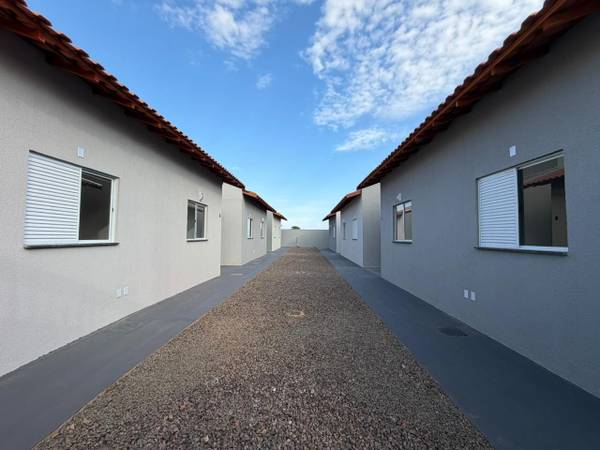
2 Bedroom House in a Gated Community for Sale in Figueiras do Parque - Campo Grande - Mato Grosso do Sul - Brazil
2 bed • 1 bath • 46.58 m²
R$220,000
View property →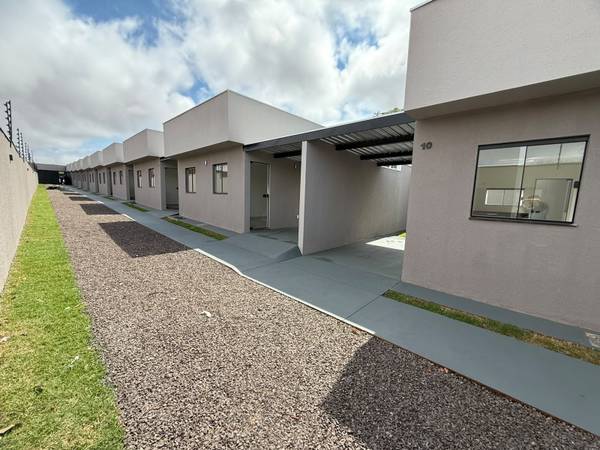
2 Bedroom House in a Gated Community for Sale in Pioneiros - Campo Grande - Mato Grosso do Sul - Brazil
2 bed • 1 bath • 51 m²
R$220,000
View property →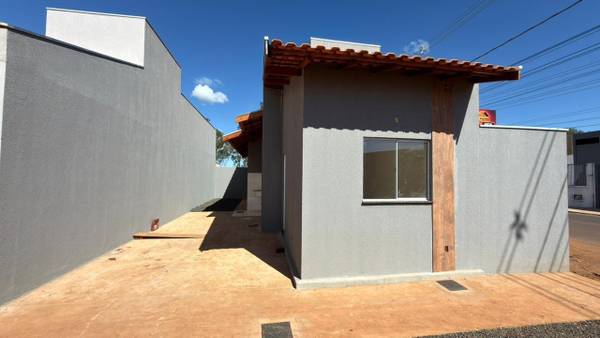
2 Bedroom House for Sale in Portal Caiobá - Campo Grande - Mato Grosso do Sul - Brazil
2 bed • 1 bath • 51 m²
R$220,000
View property →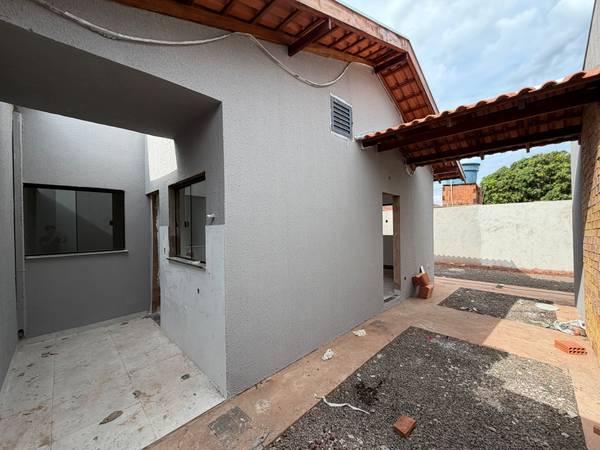
2 Bedroom House in a Gated Community for Sale in Tarumã - Campo Grande - Mato Grosso do Sul - Brazil
2 bed • 48 m²
R$217,000
View property →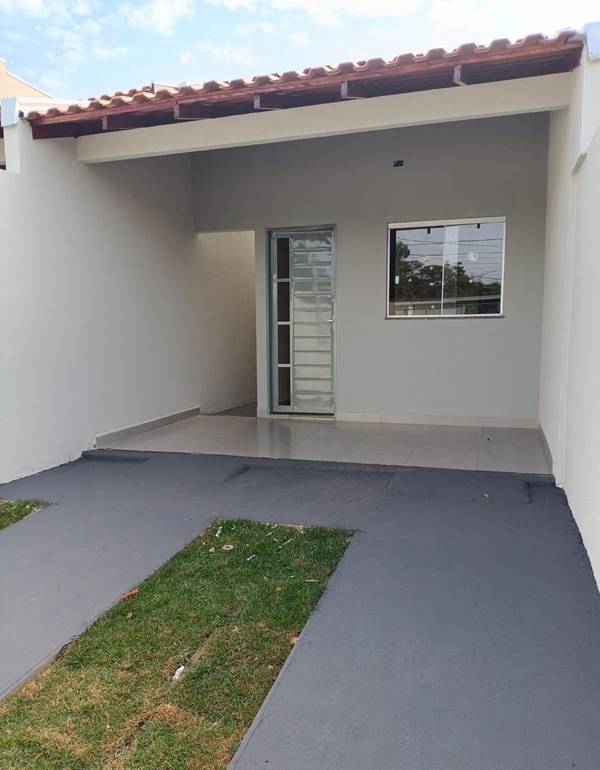
2 Bedroom House for Sale in Guanandi - Campo Grande - Mato Grosso do Sul - Brazil
2 bed • 60 m²
R$250,000
View property →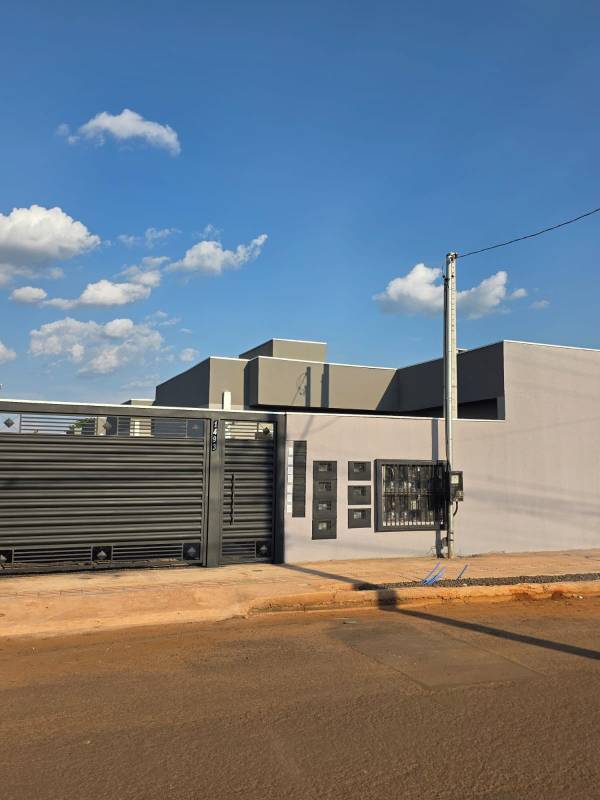
2 Bedroom House in a Gated Community for Sale in Caiobá - Campo Grande - Mato Grosso do Sul - Brazil
2 bed • 50.35 m²
R$220,000
View property →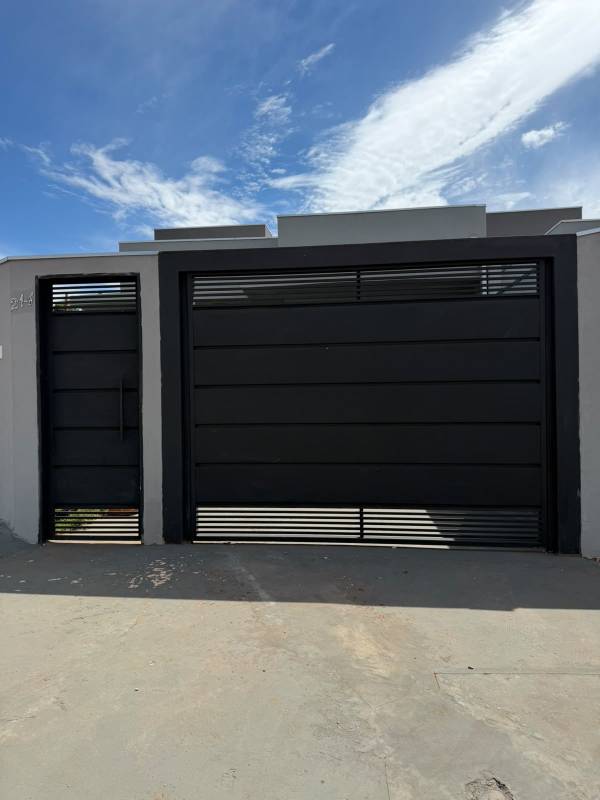
2 Bedroom House for Sale in Tijuca - Campo Grande - Mato Grosso do Sul - Brazil
2 bed • 2 bath • 56.28 m²
R$290,000
View property →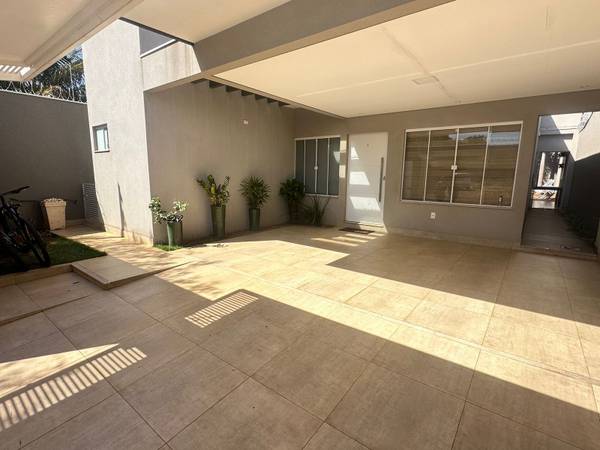
3 Bedroom House for Sale in Rita Vieira - Campo Grande - Mato Grosso do Sul - Brazil
3 bed • 125 m²
R$850,000
View property →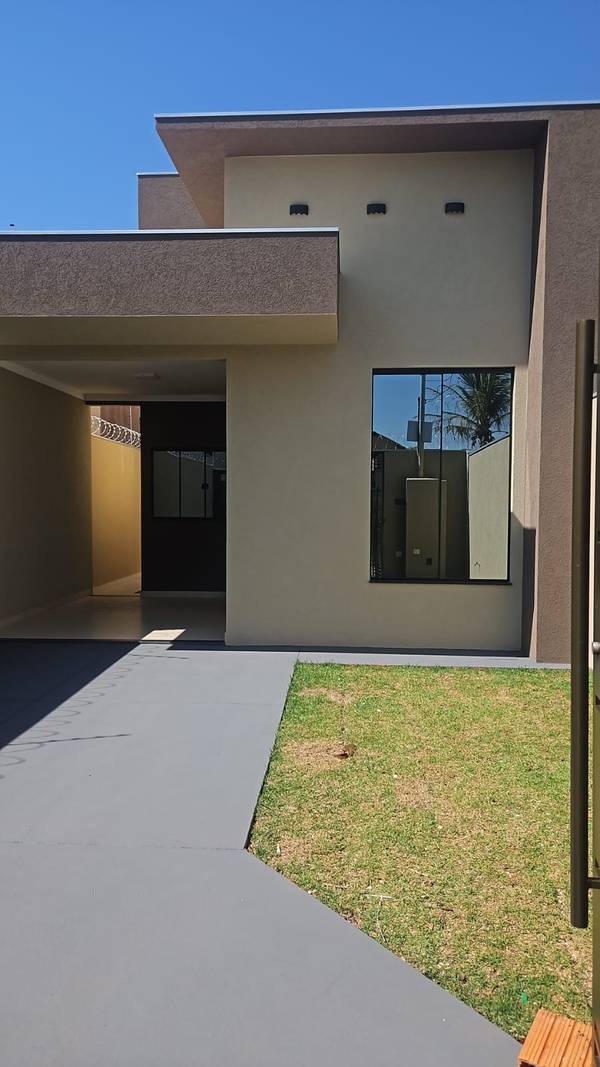
2 Bedroom House for Sale in Nova Lima - Campo Grande - Mato Grosso do Sul - Brazil
2 bed • 72.2 m²
R$380,000
View property →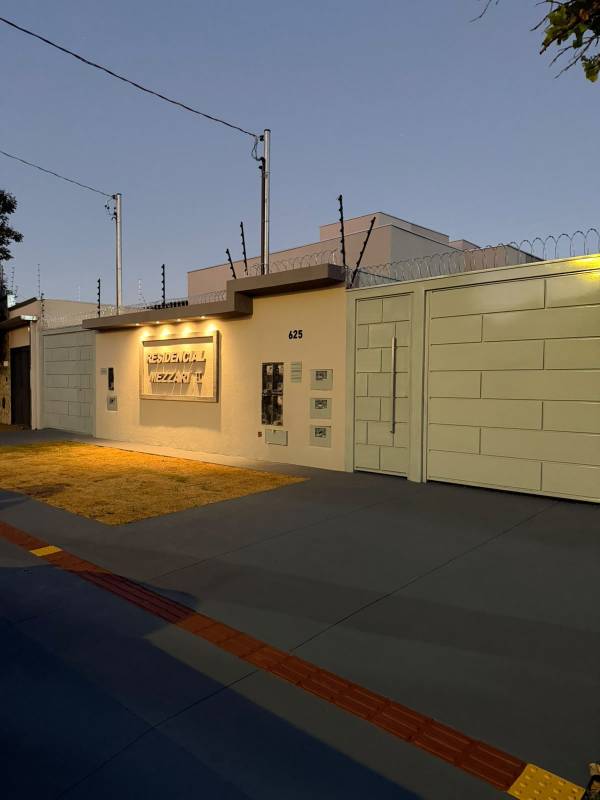
2 Bedroom House in a Gated Community for Sale in Nova Campo Grande - Campo Grande - Mato Grosso do Sul - Brazil
2 bed • 1 bath • 49 m²
R$217,000
View property →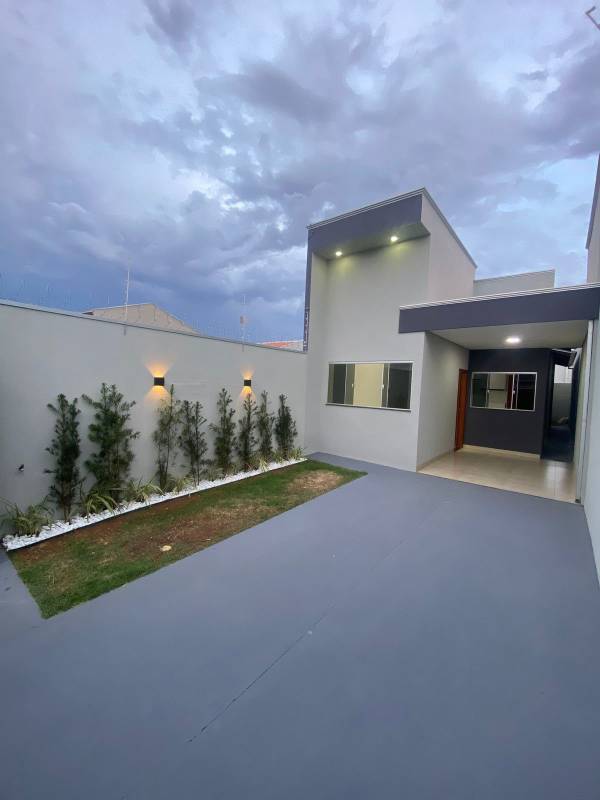
3 Bedroom House for Sale in Figueiras do Parque - Campo Grande - Mato Grosso do Sul - Brazil
3 bed • 2 bath • 71 m²
R$350,000
View property →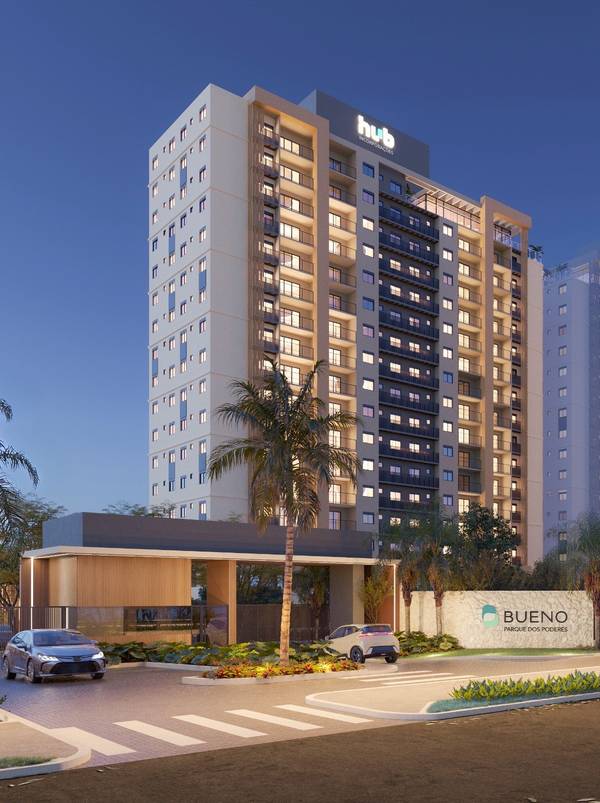
Off-Plan 2 Bedroom Apartment with En-Suite at Bueno Parque dos Poderes for Sale in Jardim Veraneio - Campo Grande - Mato Grosso do Sul - Brazil
2 bed • 62 m²
R$553,000
View property →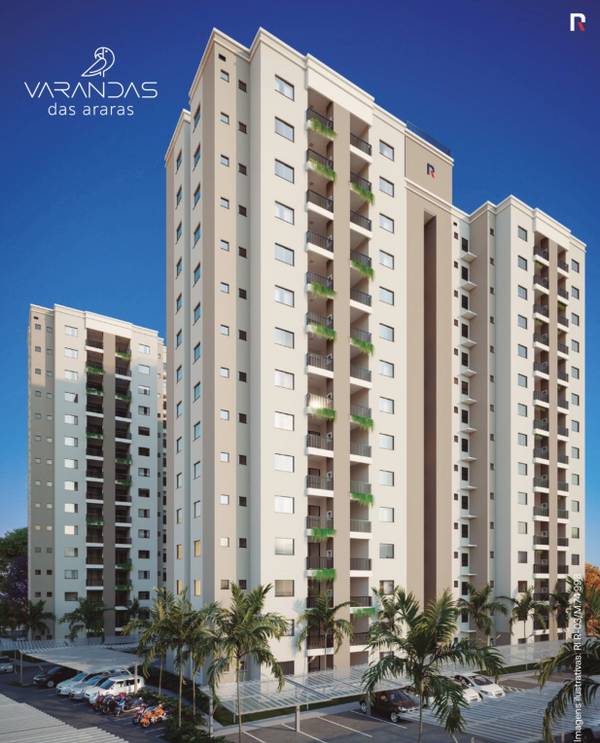
Off-Plan 2 Bedroom Apartment with En-Suite at Varandas das Araras for Sale in Seminário - Campo Grande - Mato Grosso do Sul - Brazil
2 bed • 55.29 m²
R$410,000
View property →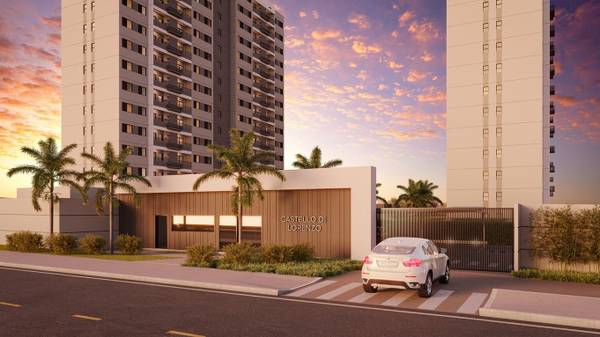
Off-Plan 2 Bedroom Apartment with En-Suite at Castello di Lorenzo for Sale in Rita Vieira - Campo Grande - Mato Grosso do Sul - Brazil
2 bed • 56.1 m²
R$400,000
View property →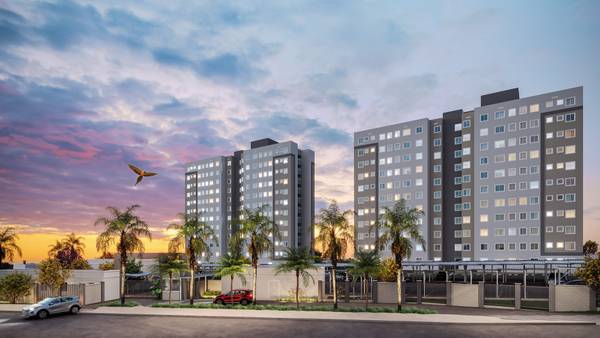
Off-Plan 2 Bedroom Apartment at Órion for Sale in Jardim Paulista - Campo Grande - Mato Grosso do Sul - Brazil
2 bed • 43.67 m²
R$300,000
View property →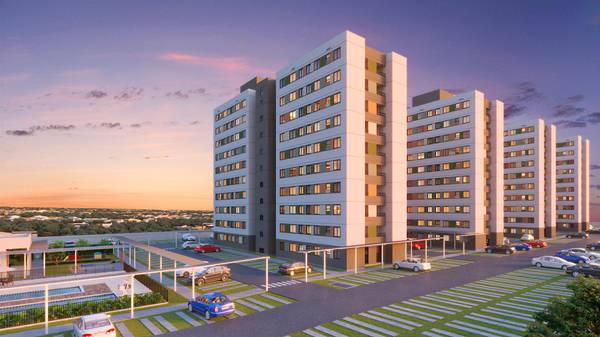
Off-Plan 2 Bedroom Apartment at Castelo de Algarve for Sale in Pioneiros - Campo Grande - Mato Grosso do Sul - Brazil
2 bed • 43.75 m²
R$255,000
View property →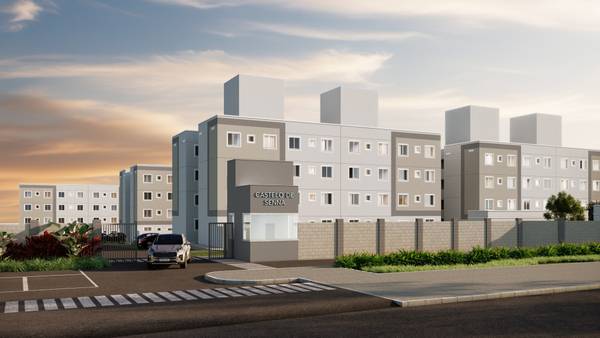
Off-Plan 2 Bedroom Apartment at Castelo de Senna for Sale in Pioneiros - Campo Grande - Mato Grosso do Sul - Brazil
2 bed • 39.96 m²
R$240,000
View property →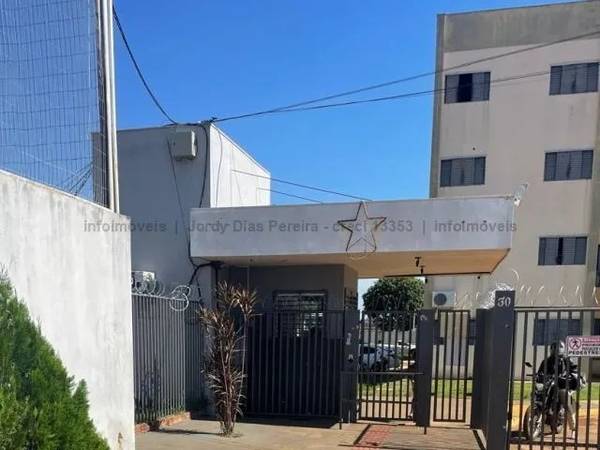
2 Bedroom Apartment for Sale in Jardim Canguru - Campo Grande - Mato Grosso do Sul - Brazil
2 bed • 1 bath • 44 m²
R$140,000
View property →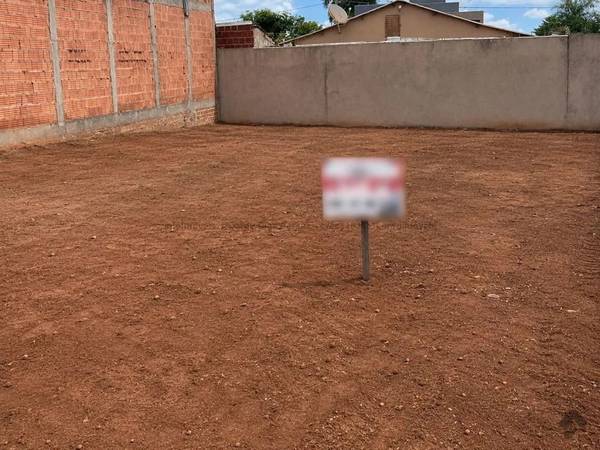
250 m² Plot for Sale in Jardim da Mooca - Campo Grande - Mato Grosso do Sul - Brazil
250.18 m²
R$98,000
View property →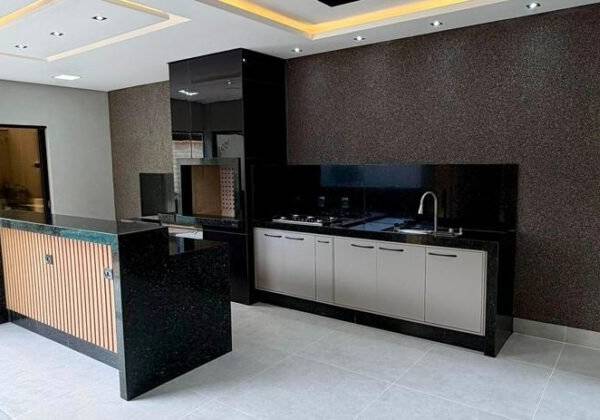
3 Bedroom Home for Sale in Monte Castelo – Campo Grande – Mato Grosso do Sul – Brazil
3 bed • 4 bath • 226 m²
R$1,700,000
View property →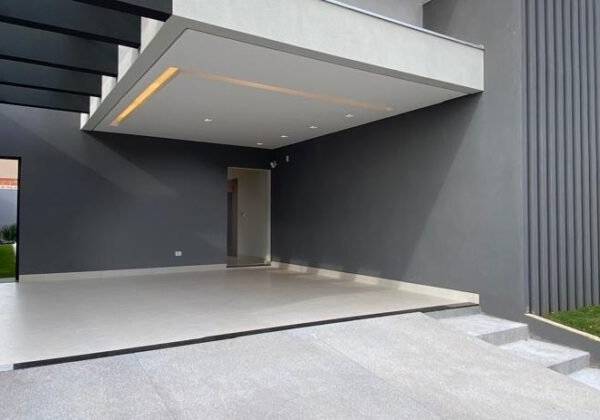
3 Bedroom Home for Sale in Vila Morumbi – Campo Grande – Mato Grosso do Sul – Brazil
3 bed • 3 bath • 180 m²
R$1,450,000
View property →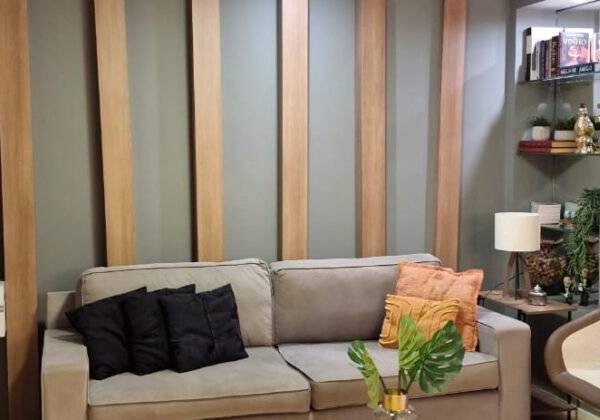
3-Bedroom Apartment for Sale in Chácara Cachoeira at Jardins do Jatobá Condominium – Campo Grande – Mato Grosso do Sul – Brazil
3 bed • 2 bath • 128 m²
R$1,200,000
View property →