Homes for sale in Cairu
Bahia, Brazil
About Cairu
Cairu is the name of the municipality, but almost nobody searches for it. People search for Morro de São Paulo and for Boipeba, which are the two places where this market happens. Cairu is the only municipality in Brazil made up entirely of islands — twenty-six of them, across some four hundred and sixty square kilometres, of which only three are inhabited: the island of Cairu, where the town hall sits, the island of Tinharé, where Morro de São Paulo is, and the island of Boipeba.
Everything on this page is on the last two. And before talking about areas, prices or paperwork, there is one fact that decides all the rest and that buyers at a distance tend to underestimate.
A municipality with no roads
Cars do not circulate on these islands. It is not a local preference or a fashion: it is a rule of the conservation area that covers the archipelago. You go on foot, by tractor, by quad bike, by wheelbarrow and by boat. There is no bridge, no car ferry, no road linking one end to the other.
That changes three calculations at once, and all three appear below in the detail they deserve. Building, because every bag of cement arrives by boat and goes up on someone's back or on a tractor. Renting out, because the guest also arrives by boat and the landing is part of the product. And emergencies, because a serious case leaves the island by water, and the tide and the weather do not negotiate.
In exchange, that is exactly what preserves the place. The absence of cars is why Morro and Boipeba do not have the density of other Bahian beaches with the same fame, and it is why they still command what they command.
Where it is and how to get there
Morro de São Paulo
From Salvador, the classic route is the catamaran, about two hours' crossing from the maritime terminal. The alternative, more reliable in rough seas, is the semi-overland route: coach or minibus to Valença and then a fast boat, around three and a half hours in total. From Valença alone, the fast boat takes about forty minutes. There are also light aircraft flights from Salvador.
On arrival, every visitor pays a fee for the use of the archipelago's heritage, collected at the landing stage. It is small per person and will not change a purchase decision, but it is worth knowing it exists before doing the sums on a guesthouse.
Boipeba
Boipeba is one step further, and it is that step which keeps it as it is. You arrive by fast boat from Valença, by boat from Torrinha — a small settlement on the mainland, on the Cairu side — or from Morro de São Paulo, combining a tractor or quad bike with a boat. There is no direct crossing from Salvador.
The town, on the island of Cairu
The municipal seat is on another island, on the bay side, and that is where you go for anything administrative: the town hall, municipal taxes, permits. There too stands the Convent and Church of Santo Antônio, from the mid-seventeenth century, listed by IPHAN and whose façade is held to be the first expression of the baroque in Brazil, with a cloister lined in Portuguese tilework. It is not where you buy a beach house, but it is part of what this municipality is.
The areas, one by one
Morro de São Paulo
This is the most developed settlement in the archipelago, organised around the numbered beaches, from the First onwards, with the village and the shops by the quay. It has the largest supply of guesthouses, the archipelago's nightlife and the most liquid market. Buying here means buying activity and steady demand, and accepting that in January the Second Beach is not a quiet place.
Gamboa and Garapuá
Still on the island of Tinharé, these are the two counterpoints to Morro. Gamboa lies on the other side, facing the bay, a short boat crossing away or a walk along the beach at the right tide. Garapuá is further south, isolated, with a small population. They are sought by people who want the island without the centre, and the price reflects the distance.
Velha Boipeba
This is the main village on the island of Boipeba, at the river mouth, with sand streets, small guesthouses and a rhythm that is not Morro's. It is where most of the houses in our portfolio are. Whoever buys here wants a village, shops on foot and a boat to hand, without the bustle of the neighbouring island.
Moreré
This is Boipeba's postcard and the most expensive address in the archipelago per metre of sea frontage. The beach faces a line of reefs that forms natural pools about a kilometre offshore, reachable only by boat and visible only at low tide, with the widest tides at full and new moon. It is worth understanding this before idealising it: the pools are not at the door and they are not always there. What is at the door is a reef beach, calm and shallow, which is a different thing and also a good one.
São Sebastião and the island interiors
Small settlements, with a life of their own and almost no formal property market. They appear in deals over land and simple houses rather than finished property. It is where prices are lowest and where the paperwork tends to be weakest.
What is for sale
Houses
This is the commonest product in our portfolio, and it covers a wide range. There are three-bedroom houses right on the sand, furnished and ready to use, and there are large houses, of five to seven bedrooms, with several bathrooms and built areas in the hundreds of square metres — many of these were designed with guests in mind, even when sold as a residence.
Guesthouses and commercial
This is the segment that defines this market. Working guesthouses are sold, some of them seafront, with a restaurant, a bar and a pool, and commercial units in the village are sold too. Buying a guesthouse here means buying a company, with licensing, staff, revenue concentrated into a few months and a supply chain that arrives by boat. The due diligence is corporate, not that of a property, and this is where most of the risk and the return sit.
Land
Plots appear less often than on the mainland beaches, and it is worth understanding why: on a protected island, with no road and a coastal strip under its own rules, free and titled land is scarce. When it does appear, a plot usually comes with a documentary history that has to be read carefully.
About advertised prices
As elsewhere on this coast, it is common for the price not to be published. Many listings simply say "on request", and the figure comes out in the first conversation with the broker. It is not a sign of anything wrong; it is how the local market works, above all for upper-end property and for guesthouses, where the value depends on what the deal includes.
Investment analysis
Appreciation
Morro de São Paulo has been an established destination for decades and behaves like one: it rises with the market, not with discovery. Boipeba is the opposite — it came late to the circuit and is today the bet of those who believe that scarcity of supply on a protected island holds the price up. What appreciates in both is the same: clean paperwork, sea frontage and a property that can generate income without major works.
Holiday rental
It is the reason this market exists, and it works better than on most neighbouring beaches, because demand is domestic and international and does not depend on a road. High season runs from December to March, with July, Carnival and long weekends filling in. Outside that, occupancy falls and part of the commerce closes. An honest calculation starts from the high season and deducts local management, cleaning, maintenance and the salt air — which here, with no car to bring materials, is a recurring and expensive item.
Exit
In Morro, a well-located property with its papers in order has a real pool of buyers. In Boipeba the market is narrower, and in both cases what stalls a sale is almost never the price: it is the documentation of the sea frontage and the state of the licence, dealt with next. Liquidity here is a function of the paperwork, not of the square metre.
Points to consider
On the seafront, the ground belongs to the Union
This is the most important point on this page and what most sets the archipelago apart. Plots along the shoreline are, as a rule, "terreno de marinha", federal Union land. What changes hands is not full ownership but occupation or leasehold, registered with the Union's property authority, with an annual ground rent and a transfer levy due on sale. In practice, a well-documented beach property here presents its RIP, the Union's property registration number, and, where it uses the sand strip, the corresponding use permit.
This does not prevent purchase or use, and it does not make the deal a bad one. But it changes what you are buying, it changes the annual bill and it changes the cost of selling later. Asking for the RIP before asking the price saves months.
The conservation area covers the whole archipelago
The islands sit inside the Environmental Protection Area of the Islands of Tinharé and Boipeba, created in 1992, covering some forty-three thousand hectares with its own zoning defined in 1998. It is a sustainable-use unit: private property exists and building is allowed, but within what the zoning permits and with a licence. This is where the ban on motor vehicles comes from, and where the limits on building height, clearing and occupation of the coastal strip come from. A beautiful plot may not be buildable in the form you imagine, and the right question is what the zone allows, not what the neighbour built.
Possession is not ownership
Outside the Union strip, part of the archipelago's land was never properly titled: it changes hands as "possession", with private contracts and chains of assignment. Only a public deed registered on the property record, at the competent registry, transfers ownership. Buying possession is done, but it is a risk decision, with a discount on the price and with a local lawyer.
Building on an island with no road
Every material arrives by boat and moves by tractor or wheelbarrow. That raises building costs in ways a mainland budget does not foresee, stretches timescales and limits what can be built — there is no large mixer and no lorry. Skilled labour is scarce and fought over, and the salt air demands ironmongery and window frames that elsewhere would be excessive. Anyone buying land to build should budget with wide margins and count on supervision on the ground.
The tide rules
Here the tide is not a detail of the day out: it governs the landing, access to some beaches, walking between settlements and the trip to the natural pools itself. Anyone visiting in order to decide on a purchase should see the property at high tide and at low tide, because the same place changes character.
Services, healthcare and seasonality
There is basic care on the islands; a serious case leaves by water, for Valença or for Salvador, and the time depends on the sea. Outside the high season, part of the guesthouses and restaurants close. Anyone buying to live here year-round should know both seasons before deciding.
Legal and tax checklist, in Brazil
Before buying
- Up-to-date registration record and a reading of the chain of title: the seller must be the person on the record.
- If on Union land: the RIP, the occupation or leasehold regime, ground rent paid up and, where the sand strip is used, the corresponding permit.
- The zoning of the Tinharé and Boipeba protection area for whatever you intend to build or extend.
- If it is a guesthouse: trading licence, health and environmental permits, tax position and labour liabilities of the company.
- Clearance certificates for the seller and the property, and municipal property tax paid up.
- If what exists is possession: who holds it, for how long, with which documents, and whether there is a path to adverse possession.
At purchase
A foreigner buys urban property in Brazil without restriction, needing only a CPF tax number. The normal route is a purchase agreement, payment of the municipal transfer tax, a public deed at a notary and — the step so many forget — registration on the property record. On Union land there is also the transfer with the Union itself, which has its own timescale and cost and is not settled at the notary.
While you hold it, and on sale
Annual municipal property tax, ground rent where the land belongs to the Union and, for tax residents, declaration of the asset. Anyone renting out declares the income and, as a non-resident, is subject to withholding at source. On sale there is capital gains tax and, on Union land, the transfer levy. Remitting funds abroad requires that the money's entry was registered with the foreign exchange authorities at the time of purchase.
Who it suits — and who it does not
It suits those who want a real island, with everything that implies, and who value a place that cannot be overbuilt because it has no road. It suits those buying a guesthouse with a businessman's eyes rather than a holidaymaker's. And it suits those who accept that seafront paperwork here differs from the mainland's and prepare for it rather than discovering it halfway through.
It does not suit those who need a car, a hospital nearby or town services. It does not suit those buying at a distance with no one trustworthy on the ground, in a place where seeing the property requires a crossing. And it makes no sense to buy sea frontage without knowing who owns the ground.
Cairu compared
Against Maraú, on the other side of Camamu Bay, Cairu has far more tourist infrastructure and a more mature rental market; Maraú has a road to the peninsula and more empty beach. Against Itacaré, it gains in exclusivity and loses in access — Itacaré is reached by car and this can only be reached by boat. Against Trancoso, it is less sophisticated and less expensive, and it has a constraint Trancoso does not: the island. Against Praia do Forte, it trades infrastructure and proximity to Salvador for isolation and landscape.
Due diligence specific to the archipelago
Beyond what has already been said, four checks are worth more here than anywhere else. The first is to ask for the RIP and the standing with the Union before discussing a figure, on any seafront property. The second is to set what you want to do against the zoning of the protection area, and not against what is already built next door. The third is to see the property at both tides and, if possible, outside the high season, when the village shows what it is. The fourth, for a guesthouse, is to ask for the real month-by-month occupancy history rather than the annual average — in a market with a short season, the average hides precisely what matters.
Final considerations
Among the homes for sale in Cairu, almost everything is in Morro de São Paulo and Boipeba, and much of it is a finished house or a working guesthouse. It is one of the few places on the Brazilian coast where the physical limitation — having no road — is also the guarantee that the place will not be transformed. That is an asset, and it is paid for.
What separates a good deal from a bad one here rarely shows in the photographs. It is in the Union's register, in the zoning of the protected area and in the building budget of someone who has already built on an island. For anyone who wants to go ahead, the path is simple to state: ask who owns the ground before asking the price, demand the registration record before any deposit, and visit in February and in June before signing.
When you contact us through a property page, we forward your enquiry to whoever holds the full information on that specific property — the year's municipal property tax, the title registration, the RIP where the land belongs to the Union and the status of any outstanding financing. The whole inventory is available in Portuguese, English, Spanish, French and Hebrew.
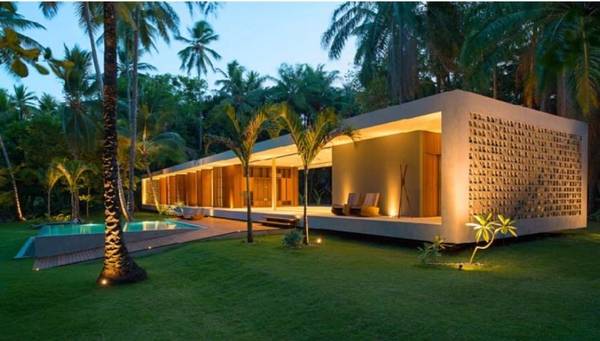
House for Sale in Cairu - Bahia - Brazil
320 m²
R$4,600,000
View property →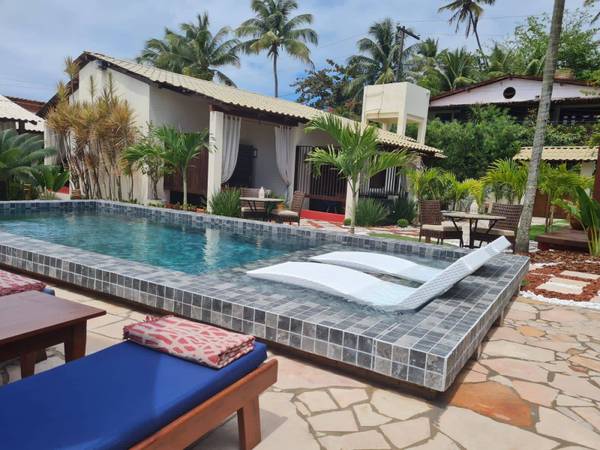
House for Sale in Cairu - Bahia - Brazil
View property →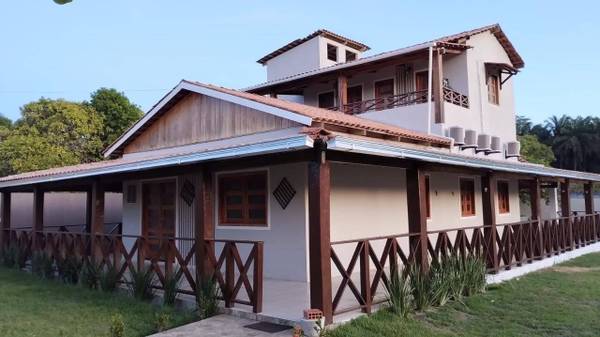
5 Bedroom House for Sale in Cairu - Bahia - Brazil
5 bed • 3 bath • 250 m²
View property →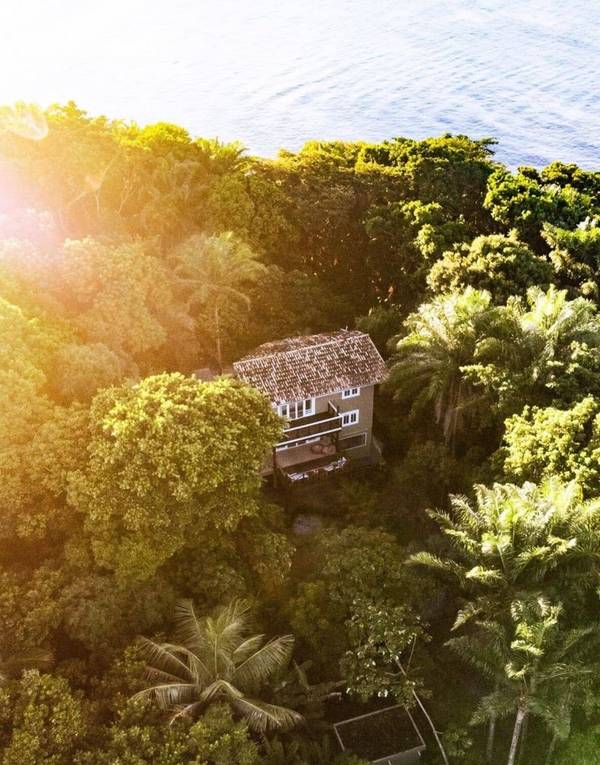
4 Bedroom House for Sale in Cairu - Bahia - Brazil
4 bed • 4 bath • 278 m²
View property →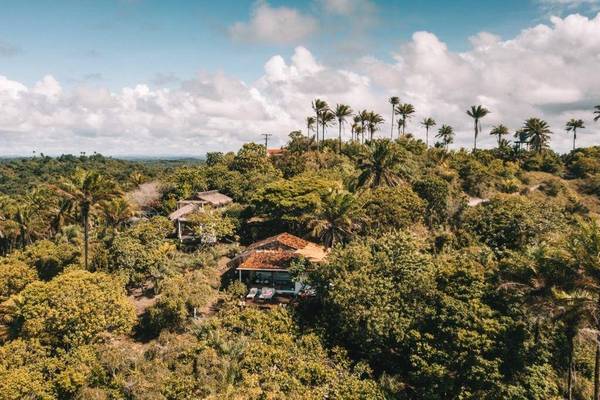
Commercial Unit for Sale in Cairu - Bahia - Brazil
200 m²
View property →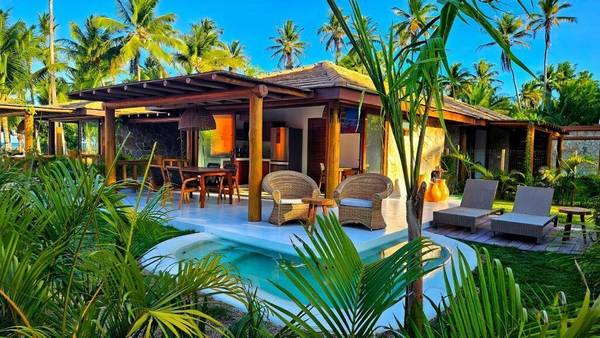
7 Bedroom House for Sale in Cairu - Bahia - Brazil
7 bed • 12 bath • 600 m²
View property →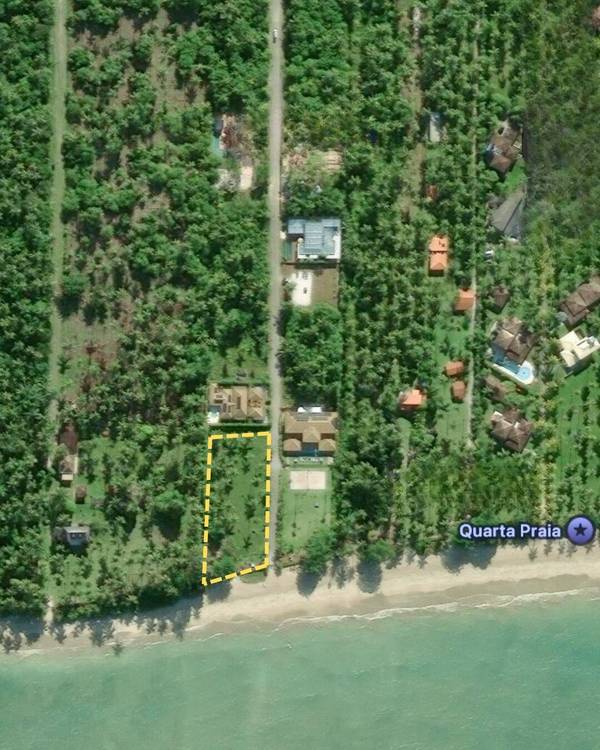
Plot for Sale in Cairu - Bahia - Brazil
View property →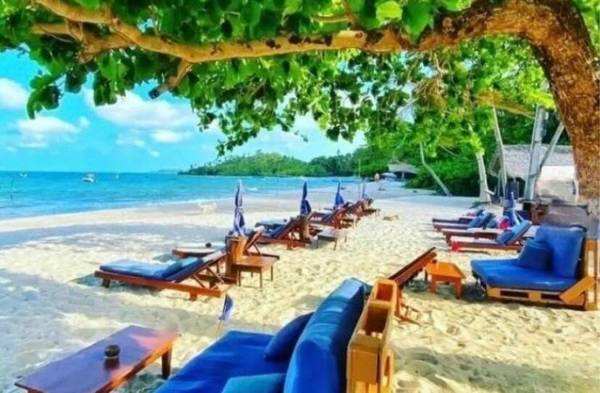
Guesthouse for Sale in Cairu - Bahia - Brazil
750 m²
View property →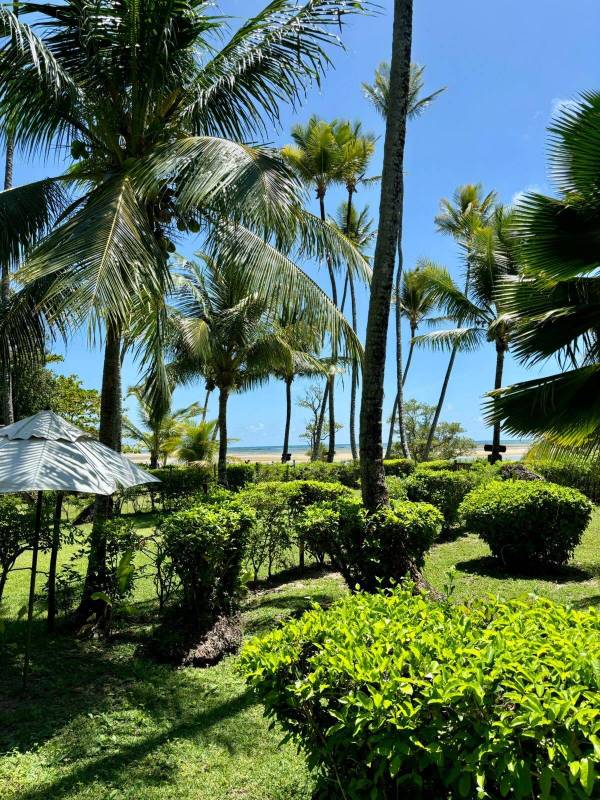
3 Bedroom House for Sale in Cairu - Bahia - Brazil
3 bed • 2 bath
View property →